

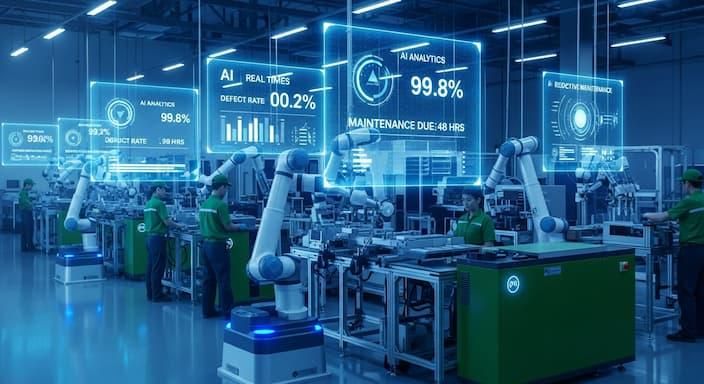
Automation is transforming the landscape of work as we know it. From manufacturing floors to office environments, machines and software are taking over tasks once performed by humans. This shift raises important questions about the future of employment, our economy, and even our daily lives. As technology advances at a breakneck pace, it’s crucial to understand what automation means for us today and in the years to come.
Imagine a world where robots handle repetitive tasks with precision while humans focus on creativity and problem-solving. Sounds appealing, right? But there’s more to this story than just efficiency gains. As we dive into what automation really entails, we’ll explore its advantages and disadvantages alongside its impact on various job sectors.
Let’s unravel how these changes are shaping the modern workforce and prepare ourselves for an automated future that balances innovation with human input.
What is Automation and How Does it Work?
Automation refers to the use of technology to perform tasks with minimal human intervention. It encompasses various processes, from simple machines executing repetitive functions to sophisticated software systems making complex decisions.
At its core, automation works by leveraging algorithms and data inputs. These technologies can analyze information, identify patterns, and execute predefined actions based on their findings. This allows for increased efficiency and precision in operations.
In manufacturing, for example, robotic arms assemble products faster than a human worker ever could. In offices, automated tools manage schedules or respond to customer inquiries instantly.
The beauty of automation lies in its ability to streamline workflows while reducing errors associated with manual labor. As more industries adopt these innovations, understanding how they function becomes essential for navigating the evolving job market.
The Advantages of Automation
Automation brings a wave of efficiency to various industries. By streamlining repetitive tasks, businesses can focus on innovation and growth.
One major advantage is increased productivity. Machines work tirelessly, completing tasks faster than humans can. This means more output with less time spent.
Cost reduction is another key benefit. With automation, companies save on labor costs and minimize errors that lead to waste. Resources are allocated more effectively.
Consistency in quality also shines through automation’s influence. Automated processes deliver uniform results, reducing variability and enhancing customer satisfaction.
Moreover, it opens up opportunities for workers to engage in higher-value activities rather than mundane tasks. Employees can shift their focus towards creative problem-solving or strategic planning instead of routine duties.
Automation fosters adaptability within the workforce by integrating new technologies quickly into daily operations without significant disruption.
The Disadvantages of Automation
Automation, while beneficial in many ways, comes with its own set of challenges. One significant concern is job displacement. As machines take over manual tasks, many workers find their roles becoming obsolete.
Another drawback is the initial investment required for automation technologies. Businesses often face high costs to implement and maintain these systems, which can deter small companies from adopting them.
Additionally, there’s a risk of reduced human oversight. With machines handling critical operations, errors may go unnoticed until they escalate into major issues.
Reliance on automation can lead to skills degradation among workers. When routine tasks are automated, employees might lose opportunities to develop essential skills that could be valuable in other areas or industries. This creates a gap between current capabilities and future job requirements.
Jobs Most Affected by Automation
As automation technology advances, certain job sectors face significant disruption. Manufacturing roles have seen robots take over repetitive tasks, leading to a decline in demand for manual labor.
Retail positions are also changing. Self-checkout kiosks and online shopping systems reduce the need for cashiers and sales associates.
In administrative fields, software that automates scheduling and data entry is streamlining operations. This shift means fewer clerical jobs will be available as companies look to increase efficiency.
Transportation isn’t immune either. With the rise of autonomous vehicles, truck drivers may soon find their roles at risk due to self-driving technology.
Even creative industries aren’t safe from automation’s reach. Algorithms can now generate content or design graphics more quickly than human professionals in some cases.
Adaptation is essential as these changes unfold across various sectors, reshaping the future landscape of work dramatically.
Preparing for the Future: Skills Needed in an Automated World
As automation reshapes the workforce, adaptability becomes essential. Workers must embrace continuous learning to stay relevant. Familiarity with emerging technologies can create new opportunities.
Critical thinking will stand out in a sea of algorithms. Humans excel at analyzing complex problems and making decisions based on nuanced understanding. This skill is irreplaceable.
Collaboration is also key. Automation may handle tasks independently, but teamwork remains vital for innovation and creativity. Effective communication skills will foster collaboration across diverse teams.
Emotional intelligence cannot be overlooked. Machines lack empathy and understanding of human emotions. Those who can connect with others on this level will thrive amid technological changes.
Investing time in developing these skills now prepares individuals for an ever-evolving job market dominated by automation’s influence.
The Ethical Concerns Surrounding Automation
Automation presents a myriad of ethical concerns that demand our attention. As machines take over tasks previously handled by humans, questions arise about job displacement and economic inequality. Many worry that automation could widen the gap between skilled and unskilled workers.
Privacy issues also come into play. Increased reliance on data-driven systems raises fears about surveillance and personal information misuse. Who controls this data, and how is it used?
The potential for bias in automated decision-making further complicates matters. Algorithms can inadvertently perpetuate existing societal prejudices if not designed carefully.
There’s the question of accountability when things go wrong with automated systems. If an autonomous vehicle crashes or a robot malfunctions, who bears responsibility? These dilemmas challenge us to think critically about technology’s role in society as we move forward into an increasingly automated future.
Conclusion: Finding a Balance Between Humans and Machines in the Workforce
The intersection of automation and the workforce presents a complex landscape. As technology continues to evolve, it reshapes how we work and interact with machines. Embracing these advancements while addressing their implications will be crucial.
Humans bring creativity, empathy, and critical thinking that machines cannot replicate. These qualities are essential in roles requiring interpersonal communication or nuanced decision-making. While automation can handle repetitive tasks efficiently, human oversight is necessary for contexts where judgment matters.
Finding harmony between automated processes and human labor could lead to greater efficiency and job satisfaction. Companies should focus on upskilling employees to thrive alongside new technologies rather than viewing them as mere competitors.
As we navigate this changing environment, fostering an adaptable mindset becomes vital. This approach not only prepares us for future challenges but also ensures that technological progress enhances our lives rather than diminishes them.
Creating a workforce that values both human ingenuity and machine precision might just hold the key to success in this rapidly evolving era of work. Balancing these elements will shape workplaces for generations to come.