

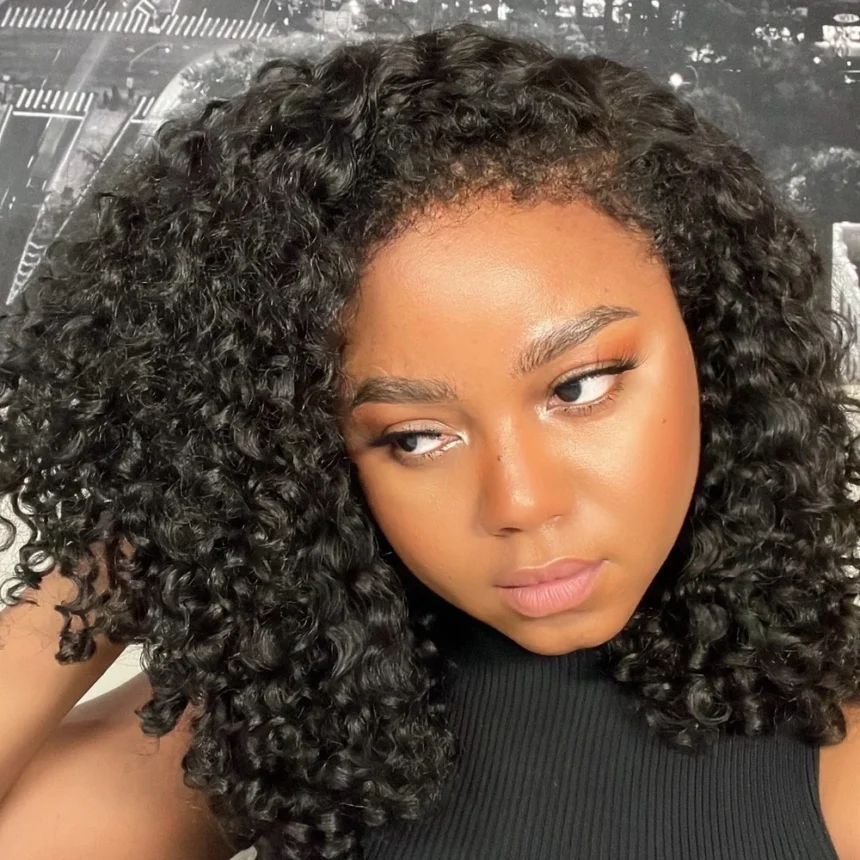
A great wig should do more than simply add length, volume, or a new style. It should feel comfortable, look believable, and blend naturally with the wearer’s features. As wig craftsmanship continues to evolve, modern designs are increasingly focused on realism rather than simply creating a dramatic transformation. Brands such as https://mellowdiamond.com/ are embracing this approach by creating salon-finished wigs with careful attention to craftsmanship, natural movement, and everyday wearability.
What Makes a Wig Look Natural?
The most convincing wigs are designed with details that imitate the appearance of naturally growing hair. While the quality of the hair itself matters, construction techniques can make an equally significant difference.
Several features contribute to a realistic finish:
- A natural-looking hairline
- Fine, carefully placed strands around the front
- Realistic density rather than excessive fullness
- Natural movement and texture
- A comfortable, secure construction
- Styling that complements the wearer’s face
When these elements work together, the result can look remarkably similar to naturally styled hair.
The Importance of the Hairline
The hairline is one of the first details people notice. A wig can have beautiful hair and excellent volume, but an artificial-looking front edge may make the entire style appear less convincing.
This is why modern wig makers are paying particular attention to the transition between the wig and the forehead. Instead of creating a perfectly uniform edge, skilled craftsmanship can introduce subtle variations that resemble the irregularity of natural hair growth.
The goal is not simply to hide the wig. It is to create a seamless visual transition.
Understanding the Hybrid Hairline Wig
One of the more interesting developments in modern wig design is the hybrid hairline. A Hybrid Hairline Wig combines carefully constructed frontal detailing with expertly placed individual strands around the edge to create a more natural appearance.
The result is intended to reproduce the look of real, natural-looking edges rather than presenting an obvious line where the wig begins.
For people who value realism, this type of construction can be particularly appealing. The individually crafted details around the hairline can help create the subtle irregularity associated with natural hair.
Why Hand-Crafted Details Matter
Mass production can create consistency, but handcrafted details can provide a different level of refinement. Skilled wig makers can pay closer attention to strand placement, density, direction, and the overall transition around the hairline.
This attention becomes especially important in areas that are highly visible.
A carefully crafted wig can offer:
- More realistic strand placement – Individual hairs can be positioned with greater attention to natural growth patterns.
- A softer front edge – The hairline does not need to look perfectly straight or uniform.
- Better visual blending – Small details can help the wig transition naturally into the wearer’s own features.
- A more refined finish – Professional styling and finishing can make the final appearance look polished without appearing overly artificial.
Salon-Finished Wigs for Everyday Confidence
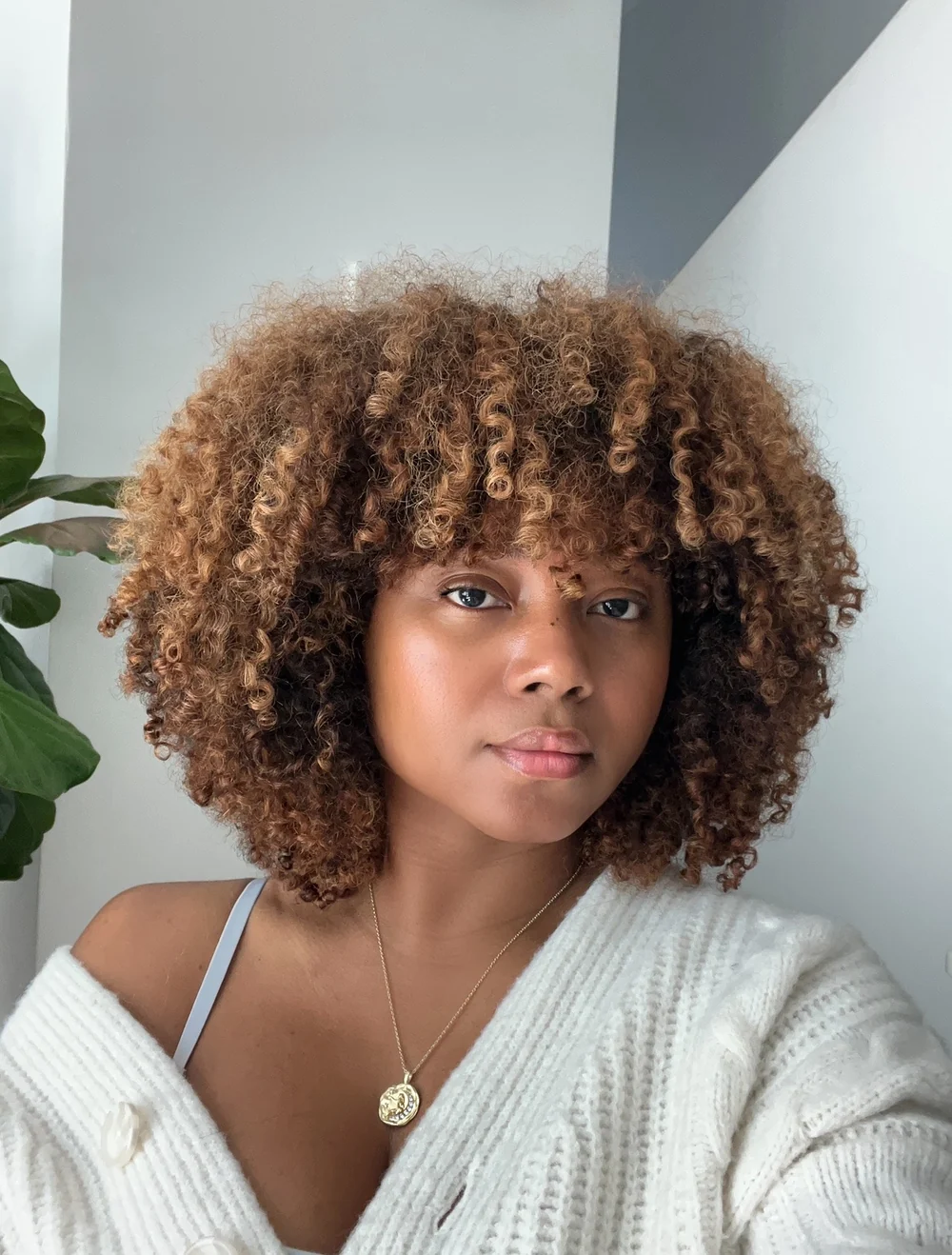
A salon-finished wig is designed with more than the basic construction in mind. Styling, shaping, density, and finishing all contribute to the final appearance.
This approach is particularly useful for people who want a wig that can be worn without spending hours recreating the style themselves.
Rather than treating a wig as a simple hairpiece, the salon-finished approach considers the complete look. The cut should complement the shape of the face, the texture should behave naturally, and the overall styling should feel intentional.
Choosing the Right Wig for Your Style
Natural appearance is important, but it should not be the only consideration when choosing a wig. Personal styling preferences and lifestyle also play a role.
Before selecting a wig, consider:
- Desired length: Short, medium, and long styles create very different impressions.
- Hair texture: Straight, wavy, and curly textures can change the overall character of a style.
- Density: A realistic amount of fullness often creates a more effortless appearance.
- Hairline construction: If realism is a priority, pay close attention to how the front is designed.
- Maintenance: Consider how much styling and care you are willing to provide.
- Comfort: A beautiful wig should also be practical enough for extended wear.
Thinking about these factors beforehand can make it easier to find a style that fits both your appearance and routine.
Natural Beauty Is in the Details
The evolution of wig design demonstrates how small construction details can have a major impact on the finished result. A carefully designed hairline, realistic density, individually placed strands, and professional finishing can transform the way a wig looks when worn.
For those searching for a more authentic appearance, the https://mellowdiamond.com/ concept offers an interesting approach. By focusing on realistic edges and handcrafted construction, it moves away from the obvious, uniform appearance traditionally associated with some wigs.
Ultimately, the best wig is one that does not compete with the person wearing it. It should complement their features, move naturally, and provide the confidence of knowing that every detail has been thoughtfully considered.