

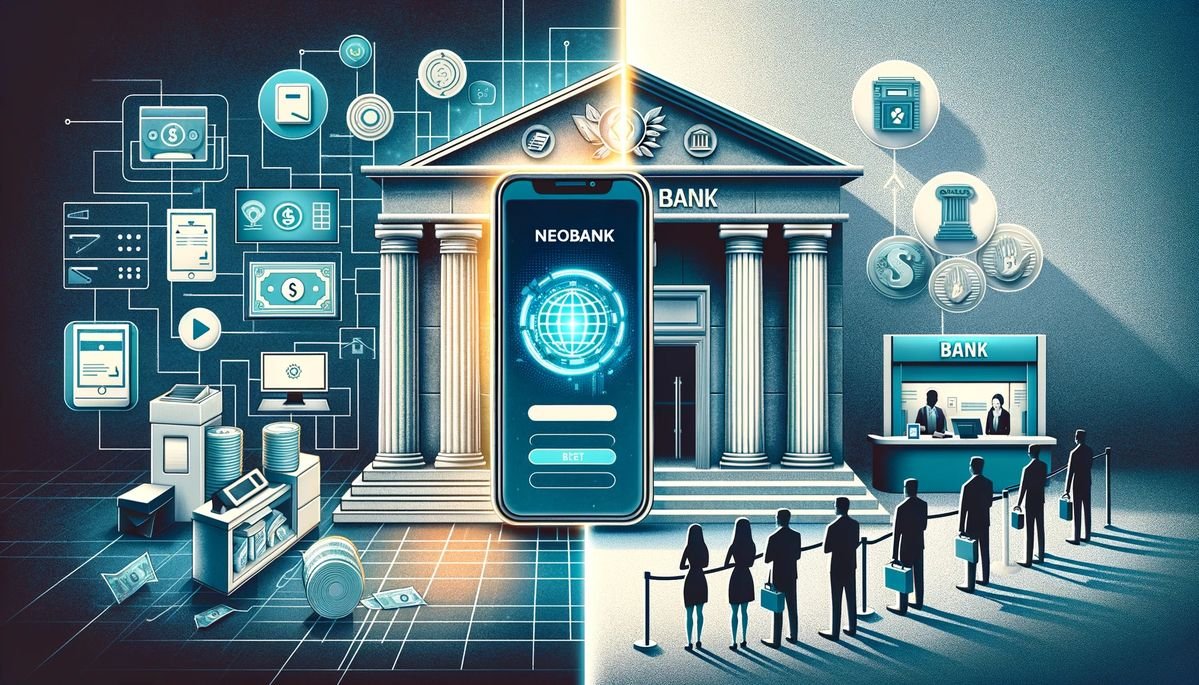
The financial industry has undergone a remarkable transformation over the past decade, driven by rapid technological advancements and changing consumer expectations. Financial Technology (FinTech) and digital banking have revolutionized how people manage money, make payments, invest, and access financial services. As technology continues to evolve, the future of FinTech and digital banking promises even greater innovation, efficiency, and accessibility.
Businesses, financial institutions, and consumers are increasingly embracing digital-first solutions that offer convenience, security, and personalized experiences. This article explores the emerging trends, technologies, benefits, challenges, and future outlook of FinTech and digital banking.
Understanding FinTech and Digital Banking
FinTech refers to the integration of technology into financial services to improve their delivery and efficiency. It includes payment platforms, digital wallets, online lending, robo-advisors, blockchain technology, and mobile banking applications.
Digital banking, on the other hand, allows customers to perform traditional banking activities entirely online without visiting a physical branch. From opening accounts to applying for loans and transferring funds, nearly every banking service can now be accessed through smartphones and computers.
Together, FinTech and digital banking are reshaping the financial ecosystem by making services faster, smarter, and more customer-centric.
Key Trends Shaping the Future
Artificial Intelligence and Machine Learning
Artificial Intelligence (AI) is becoming the backbone of modern financial services. Banks and FinTech companies use AI to automate customer support, detect fraud, assess credit risk, and provide personalized financial recommendations.
Machine learning algorithms continuously analyze customer behavior, helping financial institutions improve security while offering tailored products and services.
Blockchain and Decentralized Finance
Blockchain technology is improving transparency, security, and transaction speed across the financial sector. Beyond cryptocurrencies, blockchain enables secure digital identities, cross-border payments, and smart contracts.
Decentralized Finance (DeFi) is also gaining attention by allowing users to access financial services without traditional intermediaries, creating a more open financial system.
Embedded Finance
Embedded finance allows financial services to be integrated directly into non-financial platforms. Consumers can now access loans, insurance, or payment options while shopping online, booking travel, or using mobile applications.
This seamless integration creates better customer experiences while opening new revenue opportunities for businesses.
Open Banking
Open banking enables banks to securely share customer financial data with authorized third-party providers through APIs. This encourages innovation by allowing customers to use budgeting apps, investment platforms, and payment services that connect directly with their bank accounts.
As regulations continue to support open banking, competition and customer choice are expected to increase.
Digital Payments and Cashless Economies
Digital wallets, QR code payments, contactless cards, and real-time payment systems are reducing reliance on cash worldwide. Consumers increasingly expect instant, secure, and convenient payment methods across both online and offline channels.
As payment technologies mature, international money transfers are also becoming faster and more affordable.
Benefits of Future Digital Banking
The future of digital banking offers significant advantages for both consumers and financial institutions.
Customers benefit from 24/7 access to banking services, lower transaction costs, personalized financial advice, and faster loan approvals. Businesses gain improved operational efficiency, better fraud prevention, enhanced customer engagement, and reduced infrastructure costs.
Financial inclusion is another major benefit. Millions of people without access to traditional banks can now use mobile banking services to save money, receive payments, and access credit.
Challenges Facing the Industry
Despite its rapid growth, FinTech faces several challenges.
Cybersecurity remains one of the biggest concerns as cybercriminals become increasingly sophisticated. Financial institutions must invest heavily in data protection, encryption, and fraud detection systems.
Regulatory compliance is another ongoing challenge. Governments continue to develop new regulations that balance innovation with consumer protection and financial stability.
Additionally, customer trust remains essential. Companies must ensure transparency, privacy, and ethical use of customer data to maintain confidence in digital financial services.
The Role of Artificial Intelligence in Banking
AI is expected to become even more influential in the coming years. Intelligent virtual assistants will handle routine customer inquiries, predictive analytics will improve investment decisions, and automated financial planning tools will help users manage their finances more effectively.
AI-powered fraud detection systems will identify suspicious transactions in real time, significantly reducing financial losses for both banks and customers.
Sustainability and Green Finance
Environmental sustainability is becoming an important focus within FinTech. Digital banking reduces paper usage, while green finance initiatives encourage environmentally responsible investments.
Many financial institutions are developing tools that allow customers to track the environmental impact of their spending, promoting greater awareness of sustainable financial choices.
What the Future Holds
The next decade will likely bring fully digital financial ecosystems where banking, investing, insurance, and payments are seamlessly connected. Innovations such as biometric authentication, quantum-resistant cybersecurity, Central Bank Digital Currencies (CBDCs), and advanced AI will continue transforming the financial landscape.
Traditional banks will increasingly collaborate with FinTech startups rather than compete directly, combining regulatory expertise with technological innovation to deliver better customer experiences.
Consumers can expect faster services, greater financial personalization, stronger security, and expanded access to financial products regardless of location.
Conclusion
The future of FinTech and digital banking is both exciting and transformative. As technologies like artificial intelligence, blockchain, open banking, and embedded finance continue to evolve, financial services will become more efficient, accessible, and customer-focused. While challenges related to cybersecurity, regulation, and data privacy remain, continued innovation and collaboration will shape a smarter and more inclusive financial future for individuals and businesses alike.
Frequently Asked Questions (FAQs)
1. What is FinTech?
FinTech refers to technology-driven financial services that improve banking, payments, lending, investing, insurance, and other financial activities through innovative digital solutions.
2. How is digital banking different from traditional banking?
Digital banking allows customers to access banking services online through websites or mobile apps without visiting physical branches, while traditional banking relies heavily on in-person services.
3. How does AI improve digital banking?
AI enhances customer service through chatbots, detects fraud, automates financial analysis, provides personalized recommendations, and improves credit risk assessment.
4. Is digital banking secure?
Yes, most digital banks use advanced security measures such as encryption, multi-factor authentication, biometric verification, and real-time fraud monitoring to protect customer information.
5. What is open banking?
Open banking allows customers to securely share their banking data with authorized third-party providers through secure APIs, enabling innovative financial services and applications.
6. What role does blockchain play in FinTech?
Blockchain improves transaction security, transparency, and efficiency while supporting innovations such as cryptocurrencies, smart contracts, and decentralized finance.
7. Will FinTech replace traditional banks?
Rather than replacing traditional banks, FinTech companies are increasingly partnering with them to deliver better digital experiences, improve operational efficiency, and expand financial services.
8. What are the biggest challenges facing digital banking?
Major challenges include cybersecurity threats, regulatory compliance, customer data privacy, digital fraud, and maintaining customer trust.
9. How does digital banking promote financial inclusion?
Digital banking enables people in underserved or remote areas to access financial services through smartphones, reducing barriers associated with physical bank branches.
10. What can consumers expect from the future of digital banking?
Consumers can expect highly personalized banking experiences, faster transactions, stronger security, AI-powered financial advice, seamless digital payments, and greater integration across financial services.