

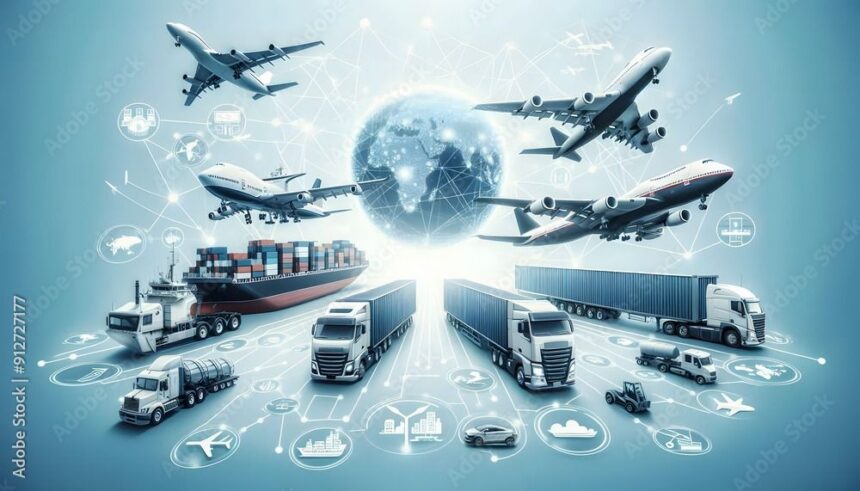
International trade is the lifeblood of the global economy, weaving a complex web of connections between nations. Every day, goods and services crisscross borders, shaping markets and influencing lives. But what exactly drives this bustling exchange? How does it impact economic growth on both local and international scales?
As countries specialize in different industries, they rely on each other for resources and products that may not be readily available at home. This interdependence fosters economic prosperity but also presents challenges that can ripple through economies worldwide.
Join us as we delve into the dynamic world of international trade—exploring its significance, benefits, drawbacks, key players, and future trends. Whether you’re a business enthusiast or simply curious about how our interconnected world operates, understanding these elements is essential to grasping today’s economic landscape. Let’s embark on this journey together!
The Importance of International Trade in the Global Economy
International trade serves as a vital engine for economic development. By facilitating the exchange of goods and services across borders, it enables countries to tap into resources that may be scarce or unavailable domestically.
This interconnectedness allows nations to specialize in what they do best, leading to increased efficiency and productivity. Countries can focus on their competitive advantages, whether that’s agriculture, technology, or manufacturing.
Moreover, international trade fosters innovation by exposing businesses to global markets. When companies compete internationally, they are driven to improve products and services continually.
Consumers also benefit significantly from this dynamic landscape. A diverse array of choices becomes available at various price points—often more affordable due to competition among producers worldwide.
In essence, international trade not only strengthens economies but also enhances cultural exchanges and global understanding between nations.
How International Trade Affects Economic Growth
International trade plays a crucial role in stimulating economic growth. By allowing countries to exchange goods and services, it opens up new markets for businesses. This expansion fosters competition, drives innovation, and ultimately leads to better products and services.
When nations engage in trade, they can specialize in what they produce most efficiently. This specialization enhances productivity, leading to increased output. As economies grow stronger through trade, job creation follows suit.
Moreover, international trade promotes investment inflows. When foreign companies invest locally or when domestic firms seek opportunities abroad, capital flows increase. Such investments fuel further development and create more employment opportunities.
Accessing a variety of resources through global networks also benefits economies immensely. Countries can import raw materials that may be scarce domestically while exporting their own abundant resources for profit. Thus, the cycle of growth continues with each transaction across borders.
Advantages and Disadvantages of Global Trade
Global trade offers numerous advantages that can significantly boost economies. It allows countries to specialize in producing goods and services where they have a comparative advantage. This specialization leads to increased efficiency and lower prices for consumers.
Moreover, global trade fosters competition, which can drive innovation. Businesses are compelled to improve their products and processes, benefiting everyone in the long run.
On the downside, global trade can create challenges. Local industries may struggle against international competitors, leading to job losses in specific sectors. This shift can widen income inequality within nations as not all regions benefit equally from trade opportunities.
Additionally, reliance on global supply chains makes economies vulnerable to external shocks like political instability or natural disasters. These disruptions can ripple across borders, affecting availability and pricing of essential goods and services.
Major Players in International Trade: The Role of Developed and Developing Countries
Developed countries often dominate international trade. They have advanced technology, established markets, and strong infrastructure. These nations typically export high-value goods like machinery, electronics, and pharmaceuticals.
In contrast, developing countries play a crucial role in the global supply chain. They provide essential raw materials and lower-cost manufactured products. This dynamic fosters economic growth in those regions while meeting demand for affordable goods worldwide.
The interaction between these two groups shapes trade patterns significantly. Developed nations rely on imports from developing economies to maintain competitive pricing for consumers.
Meanwhile, emerging economies benefit from foreign investments that enhance their production capabilities. As they grow stronger economically, their influence in global trade networks increases.
This interconnected relationship highlights the importance of collaboration between developed and developing countries in fostering a balanced global economy.
Impact of Tariffs and Trade Agreements on International Trade
Tariffs and trade agreements play a crucial role in shaping international commerce. When countries impose tariffs, they increase the cost of imported goods. This can protect local industries but often leads to higher prices for consumers.
Trade agreements, on the other hand, aim to reduce barriers between nations. By lowering tariffs or eliminating them altogether, these pacts foster smoother exchanges of goods and services. They create an environment that encourages collaboration rather than competition.
The impact is felt differently across various sectors. Industries reliant on imports may struggle with increased costs due to tariffs, while exporters benefit from lower duties in foreign markets.
Moreover, trade agreements can lead to shifts in global supply chains. A country might prioritize partnerships with those who offer favorable terms, changing traditional trading relationships and patterns over time.
How Technological Advancements Have Changed the Landscape of International Trade
Technological advancements have revolutionized international trade in numerous ways. The rise of the internet has made it possible for businesses to connect with clients and suppliers across the globe, breaking down geographical barriers.
E-commerce platforms enable companies of all sizes to reach a broader audience. Small businesses can now compete on an international level without needing extensive resources or large physical storefronts.
Logistics and supply chain management have also benefited from technology. Real-time tracking systems allow companies to monitor shipments closely, ensuring timely delivery and reducing costs associated with inefficiencies.
Automation is another game changer. Robotics in warehouses streamline operations, while artificial intelligence optimizes inventory management based on demand forecasts.
Moreover, digital payment solutions facilitate seamless transactions between countries. This ease encourages more businesses to engage in cross-border trade than ever before. The landscape is rapidly shifting as technology continues to evolve, shaping new opportunities for global commerce.
Future Predictions for International Trade
As we look ahead, international trade is set to evolve dramatically. Emerging markets will likely play a more significant role, reshaping global supply chains and consumption patterns.
Technological advancements will continue to drive efficiency. Automation and AI are expected to streamline logistics, making cross-border transactions faster and cheaper than ever before.
Sustainability will become crucial in trade practices. Consumers increasingly demand eco-friendly products, pushing businesses towards greener solutions.
Digital currencies may also transform how trade operates. Blockchain technology could enhance transparency and security in transactions across borders.
Geopolitical shifts might introduce new dynamics in trading partnerships. Countries may seek alliances based on shared economic interests rather than historical ties.
The future looks promising yet uncertain as companies adapt to changing regulations and consumer expectations within the global market landscape.
Conclusion
International trade is a dynamic and complex force shaping the global economy. Its importance cannot be overstated, as it fosters economic growth, creates jobs, and facilitates cultural exchange. While it brings numerous advantages such as access to diverse markets and innovation, there are also challenges like income inequality and environmental concerns that need addressing.
As we navigate through shifts in power between developed and developing nations, understanding their roles in international trade becomes crucial. Tariffs and trade agreements continue to play significant parts in defining relationships between countries, influencing everything from costs for consumers to diplomatic ties.
Technological advancements have revolutionized how businesses operate globally. The rise of e-commerce has opened up new avenues for small businesses while making transactions faster and more efficient.
Looking ahead, predictions point toward an increasingly interconnected world where sustainability will become a key factor driving international commerce. As economies adapt to changing circumstances—be they technological or political—the landscape of global trade will evolve further.
The future holds both opportunities and challenges that require careful navigation by all stakeholders involved in this intricate web of connections across borders.