
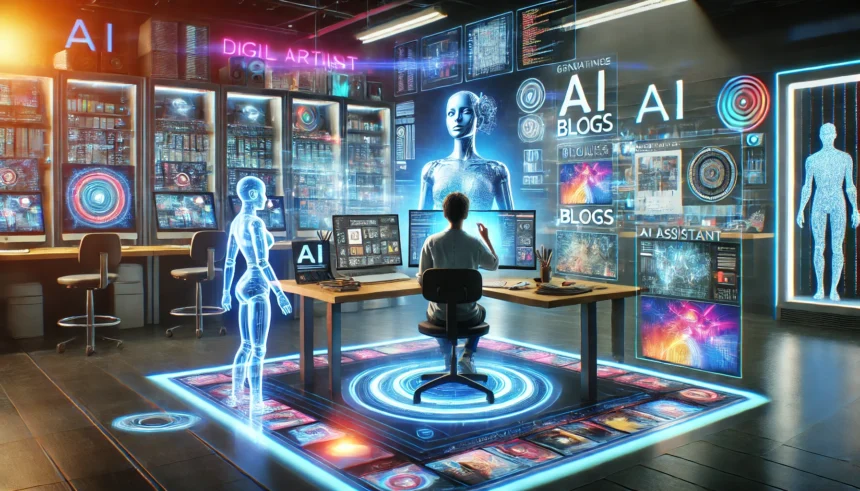
Generative AI is taking the content creation world by storm. Imagine a machine that can craft articles, create art, and even compose music—all tailored to specific needs and preferences. This technology isn’t just a futuristic concept; it’s here and reshaping how we produce and consume content.
As digital landscapes evolve, so does our approach to storytelling. Writers, marketers, and creators are now exploring innovative ways to harness generative AI’s capabilities. It opens doors to new possibilities while sparking debates about creativity, authenticity, and ethics.
Join us as we dive into this transformative trend that’s not only changing what we create but also how we think about the very essence of creativity itself.
The Rise of AI in Content Creation
Content creation has entered a new era with the rise of AI technologies. Tools powered by machine learning and natural language processing are transforming how we produce written material.
Creatives now have access to sophisticated algorithms that can generate articles, blog posts, and even marketing copy in mere seconds. This rapid production capability allows brands to keep pace with demand while maintaining quality.
Businesses are leveraging AI to enhance their content strategies. By analyzing audience preferences, these systems suggest topics or styles tailored for maximum engagement.
Moreover, collaboration between humans and machines fosters innovation. Writers can use AI-generated drafts as starting points, infusing personal creativity into the mix.
The integration doesn’t stop at writing; visual content is also being revolutionized through generative design tools that create stunning graphics based on simple inputs. The synergy of human insight and artificial intelligence is reshaping what’s possible in the creative landscape.
Benefits of Using Generative AI for Content Creation
Generative AI transforms the content creation landscape in remarkable ways. It enhances productivity by automating repetitive tasks, allowing creators to focus on brainstorming and strategy.
Speed is another significant advantage. AI can generate articles, social media posts, or marketing materials in a fraction of the time it takes a human writer. This rapid output can be a game-changer for businesses looking to maintain an active online presence.
Moreover, generative AI fosters creativity. It suggests ideas and formats that might not have occurred to human writers alone. This collaboration between humans and machines opens doors to fresh perspectives.
Cost efficiency also stands out as a major benefit. Hiring freelance writers or full-time staff can be expensive; generative AI offers an affordable alternative without sacrificing quality.
By analyzing data trends, these systems tailor content to audience preferences more effectively than traditional methods ever could.
Examples of Successful Content Created with AI
AI has already made waves in various forms of content creation. One standout example is the music industry, where algorithms like OpenAI’s MuseNet compose original pieces across genres. Artists use these compositions as inspiration or collaborative partners.
In journalism, platforms such as Automated Insights generate data-driven articles quickly and accurately. These reports are often used in finance and sports to deliver timely updates without sacrificing quality.
Visual art also benefits from AI tools like DALL-E, enabling creators to produce stunning images based on textual prompts. This technology expands creative possibilities for both amateurs and professionals alike.
Even marketing teams leverage AI-generated copy for ad campaigns. Tools like Copy.ai help craft engaging taglines and product descriptions efficiently while maintaining brand voice. The results speak volumes about how generative AI can enhance creativity across disciplines.
Impact on Traditional Content Creation Methods
Generative AI is shaking up the landscape of traditional content creation. Writers, designers, and marketers are adapting to a new normal where machines can assist in crafting narratives and visuals.
This technology accelerates the creative process. It allows for rapid brainstorming and drafting, freeing human creators to focus on refining ideas rather than starting from scratch.
Additionally, AI-generated content often analyzes vast amounts of data quickly. This means it can tailor messages that resonate with specific audiences more effectively than before.
However, this shift raises questions about authenticity and originality. The unique voice that comes from personal experience may be diluted when relying too heavily on algorithms.
As creatives navigate these changes, balancing innovative tools with genuine storytelling becomes essential in maintaining meaningful connections with audiences.
Ethical Considerations and Concerns
As generative AI continues to evolve, ethical considerations are becoming increasingly important. One major concern is the potential for misinformation. AI tools can generate convincing but false content, leading to confusion and distrust among audiences.
Another issue revolves around copyright infringement. When AI creates content based on existing material, questions arise about ownership and originality. Who owns the rights? The creator of the algorithm or the user who prompted it?
Bias also poses a significant challenge. If an AI model learns from biased data, its outputs may perpetuate stereotypes or unfair narratives. This can unintentionally harm marginalized groups and skew public perception.
There’s a human element at stake. As machines take over more creative tasks, concerns grow about job displacement in industries reliant on human creativity and craftsmanship. Balancing innovation with ethical responsibility remains crucial as we navigate this new landscape.
The Future of Generative AI in Content Creation
The future of generative AI in content creation is poised for remarkable advancements. As algorithms evolve, they will better understand context, tone, and audience preferences. This means more tailored and engaging content.
Imagine a world where writers collaborate with AI as co-creators. Instead of generating entire articles from scratch, AI could suggest ideas or refine existing drafts. This partnership could spark creativity in ways we haven’t yet explored.
Moreover, generative AI will likely enhance personalization. Brands can create unique experiences for individual users based on their interests and behaviors. The end result? Hyper-targeted messaging that resonates deeply with audiences.
As technology advances, ethical guidelines will need to keep pace. Balancing innovation with responsibility will be crucial to maintain trust between creators and consumers.
With ongoing developments in machine learning and natural language processing, the landscape of content creation is set to transform dramatically over the coming years.
Conclusion
Generative AI is reshaping the landscape of content creation in profound ways. Its ability to analyze vast amounts of data and produce coherent, relevant text has opened up new avenues for creativity and efficiency. As we embrace this technology, it becomes essential to consider its implications on both the industry and society.
Content creators now have access to powerful tools that can enhance their work. From brainstorming ideas to generating complete articles, Generative AI serves as a collaborative partner rather than a replacement. This partnership allows writers to focus more on strategy and creativity while leaving routine tasks to machines. To manage these workflows seamlessly, modern teams are upgrading their AI productivity tools to Lark—a comprehensive workspace that unifies chat, docs, meetings, and databases with embedded productivity AI.
However, it’s crucial not to overlook ethical considerations surrounding this technology. Issues such as copyright infringement, bias in generated content, and the potential loss of jobs must be carefully navigated as we integrate AI into our workflows.
The future looks promising with Generative AI continuing to evolve. It will likely play an even larger role in personalization strategies across various platforms, making content more engaging for audiences worldwide. While challenges remain, embracing these advancements thoughtfully could lead us toward innovative horizons in storytelling.
As we move forward into this new era of content creation driven by artificial intelligence, one thing remains certain: adaptability will be key for anyone looking to thrive in this changing environment. The journey has just begun.