

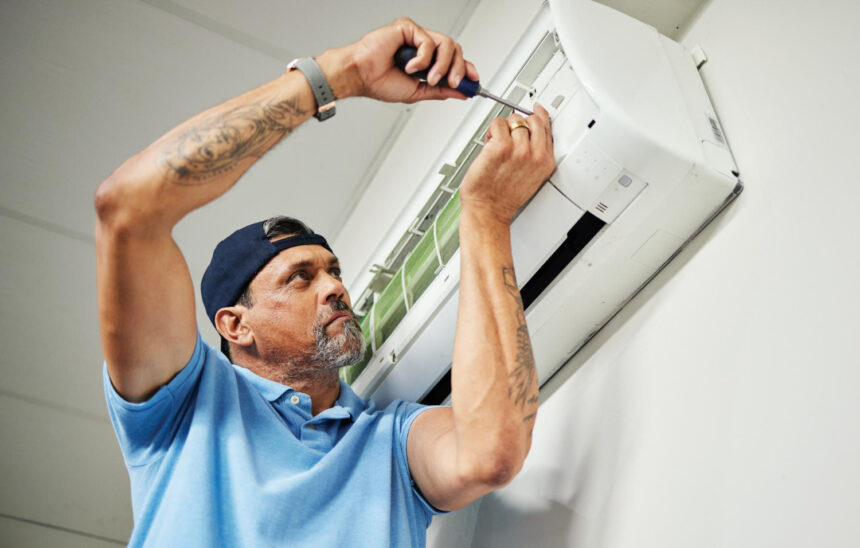
When homeowners purchase a new cooling unit, they need to select the right air conditioning installation services. Expert contractors evaluate the property, determine the appropriate-size system, and account for existing components that can affect performance. This results in a high-quality installation, with the equipment operating as intended, and it provides a foundation for reliable cooling. Here are a few key features to look for when selecting the right installation services for your air conditioning:
Proper Property Assessment
Contractors perform a property assessment before installation begins. This helps them determine the appropriate size of the air conditioning unit to support the property. While an undersized system will struggle to cool a large building, an oversized unit will cycle too frequently; this affects comfort and efficiency. Instead of selecting a unit based on the size of the existing system, air conditioning installation services begin by recommending a replacement unit that meets the building’s needs.
The assessment also accounts for existing ductwork, insulation, windows, and other factors that influence cooling requirements. Properties with older systems require extensive evaluation. Their duct layouts, electrical systems, and insulation levels don’t always accommodate modern HVAC equipment. Some older duct systems may also have collapsed sections or inadequate insulation, while others have leaks. By conducting a detailed assessment, contractors are able to accurately determine the proper installation approach for the building.
Appropriate Equipment Selection
Homeowners can choose different types of air conditioning units; this includes a traditional split system or a ductless mini-split system. The traditional central air system suits homes that already have ductwork in good condition. It helps effectively cool the building without requiring multiple indoor units. Any leaks or damage in the ductwork may cause the system to struggle to perform. Ductless mini-split systems are an alternative for buildings where adding ductwork is not an option. These systems use a condenser outside that is connected to an indoor air handler, and they allow homeowners to control temperatures in individual rooms. This helps reduce energy consumption. A combination of ducted and ductless systems may be an ideal option for larger buildings with varied room configurations.
Professional Installation
Installation quality affects how the entire system performs. Technicians work with homeowners to make sure the new equipment works appropriately with the property’s existing ductwork and other HVAC components. When working with older systems, they identify and replace worn or unsuitable components before connecting the new equipment; this helps them avoid problems that could affect performance.
The installation process involves addressing the outdoor condenser, ductwork, electrical connections, refrigerant lines, and air handlers. In some cases, professionals need to install a new system with a different installation configuration, especially when traditional ductwork is impractical. Each of these components needs to function together because a new cooling unit may be unable to compensate for deficiencies elsewhere in the system.
Ongoing Maintenance Support
Regular maintenance helps identify issues early. This helps extend the life of the equipment while reducing the risk of unexpected breakdowns. With consistent maintenance practices and routine inspections, many HVAC units last up to 15 years.
The right air conditioning installation service provides homeowners with a detailed maintenance program. These contractors perform regular checks on the equipment, and they examine each component before minor issues become larger repair concerns. This should happen a couple of times a year, such as once in the spring and once in the fall. Maintenance service may include:
- System tune-ups to make sure there is proper airflow.
- Performance checks to verify that all components are working correctly.
- Duct cleaning to reduce buildup and dust circulating through the house.
- Inspection of air filters and electrical components so the system continues running smoothly.
Some air installation providers also educate homeowners on maintenance practices to increase the lifespan of their new air conditioning unit. This includes when to replace HVAC filters to avoid reduced system efficiency in the home. Use an installation company that also provides emergency services; this allows homeowners to have quick repairs done when they need it most, such as during cold winters.
Choose the Right Air Conditioning Installation Service
Homeowners should evaluate several factors when selecting the right air conditioning installation services for their property. A well-planned project requires qualified technicians to help with various factors; this includes proper equipment selection, installation, and maintenance. Review their services to find a provider that helps make sure your HVAC system will work reliably for years.