

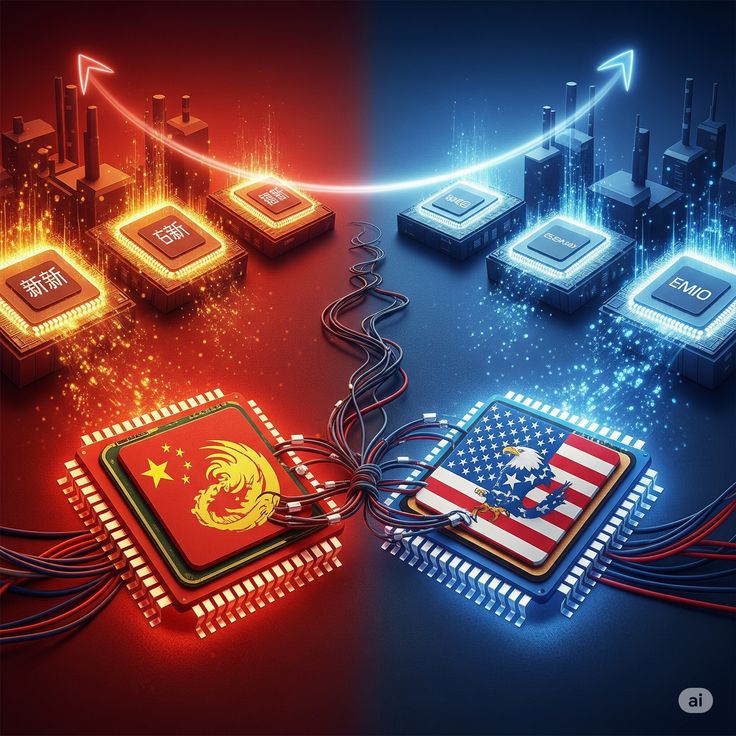
S. and China is heating up, catching the attention of governments, businesses, and investors alike. As advancements in artificial intelligence, 5G networks, and quantum computing shape our future, the stakes have never been higher. At the heart of this competition stands Jamie Dimon, CEO of JPMorgan Chase—a key figure whose insights can illuminate how financial markets react to shifts in tech dominance. This blog post will explore not only Dimon’s role but also what these developments mean for global economies and American companies striving to maintain an edge in this critical landscape. Join us as we unpack the intricacies of a rivalry that could redefine our world.
The Growing Technological Competition Between the U.
S. and China
The technological competition between the U.
S. and China is escalating rapidly, reshaping industries and global dynamics. Both nations are pouring resources into research and development, aiming for dominance in key areas such as artificial intelligence, biotechnology, and renewable energy.
China’s ambitious initiatives like “Made in China 2025” showcase its intent to lead the world in advanced manufacturing. Meanwhile, the U.
S. continues to leverage its innovative spirit through startups and established giants alike.
This rivalry isn’t just about economic power; it influences national security strategies on both sides. The race has implications that extend beyond borders, affecting international alliances and market stability.
With each breakthrough—be it a new semiconductor or an AI algorithm—the stakes rise even higher. Investors are keenly monitoring developments while companies adapt their strategies to navigate this complex landscape of innovation versus regulation.
Key Players: JPMorgan Chase CEO Jamie Dimon
Jamie Dimon stands at the forefront of the U.
S.-China technology competition. As CEO of JPMorgan Chase, his influence stretches across financial markets and beyond.
Dimon has been vocal about the need for America to bolster its technological capabilities. He recognizes that innovation is crucial for maintaining economic leadership in a rapidly evolving landscape dominated by China.
His insights often reflect a broader concern: how will giant tech firms shape global dynamics? With China’s advancements posing challenges, Dimon’s perspective sheds light on critical strategies American companies must adopt.
Through JPMorgan’s initiatives, he encourages investments in cutting-edge technologies like AI and blockchain. This vision aligns with a competitive stance against rivals in Beijing who are accelerating their innovations.
As discussions around national security intertwine with corporate strategies, Dimon’s role becomes increasingly pivotal. His leadership may well influence how U.
S. businesses navigate this complex arena moving forward.
The Impact of Technology on the Global Economy
Technology has become a cornerstone of the global economy. Its influence reaches every sector, from manufacturing to finance and beyond.
The rapid pace of innovation boosts productivity. Companies that embrace cutting-edge technology often see significant gains in efficiency. This leads to lower costs and increased output, benefiting consumers worldwide.
Moreover, technology fosters connectivity between nations. Businesses can operate across borders with ease, creating a more integrated economic landscape. Collaboration becomes possible on an unprecedented scale.
However, this also brings challenges. The digital divide remains a pressing issue as some regions struggle to keep up with advancements. Economic disparities may widen if access to technology is not equitable.
As the competition intensifies—especially between countries like the U.
S. and China—the stakes rise higher for all involved parties in shaping future economic landscapes driven by tech innovations.
China’s Technological Advancements
China has emerged as a global leader in technology, making significant strides across various sectors. From artificial intelligence to 5G telecommunications, the nation is rapidly closing the gap with Western powers.
The Chinese government heavily invests in research and development. This focus on innovation has fostered an environment where tech giants like Alibaba and Tencent thrive.
Moreover, China’s manufacturing prowess continues to support its tech ambitions. The country produces a vast array of electronic components essential for advanced technologies.
Additionally, initiatives such as “Made in China 2025” aim to transform the economy from low-cost production to high-tech excellence. This strategic shift positions China at the forefront of emerging industries.
As these advancements unfold, they pose new challenges for competitors around the world. The implications are profound—shaping not only markets but also geopolitical relationships on a grand scale.
Challenges Facing the U.
S. in the Tech Race
The U.
S. faces significant challenges in the ongoing tech race with China. One major hurdle is a shortage of skilled labor. With rapidly evolving technology, there aren’t enough professionals equipped to meet industry demands.
Another pressing issue is funding for innovation. Many American startups struggle to secure investments compared to their Chinese counterparts, which benefit from substantial government backing.
Regulatory hurdles also pose problems for growth and advancement. The complex web of bureaucracy can stifle creativity and slow down project timelines.
Additionally, geopolitical tensions complicate collaboration on research and development. Trust issues may hinder partnerships between American companies and foreign entities, limiting potential breakthroughs.
Cybersecurity threats have escalated dramatically. Protecting sensitive information has never been more critical as competition intensifies globally.
Strategies for American Companies to Stay Ahead
American companies must adopt innovative strategies to maintain a competitive edge in the evolving tech landscape. Emphasizing research and development is crucial. Investing in cutting-edge technology can lead to breakthroughs that set them apart.
Collaboration with startups fosters creativity. By partnering with nimble, tech-savvy firms, larger corporations can harness fresh ideas and speed up product development.
Moreover, prioritizing cybersecurity cannot be overlooked. As digital threats grow more sophisticated, robust security measures will protect sensitive data and enhance consumer trust.
Talent acquisition plays a significant role as well. Companies should focus on attracting top-tier talent from diverse backgrounds who bring unique perspectives and skills to drive innovation forward.
An agile approach allows businesses to pivot quickly in response to market changes or emerging technologies. Flexibility helps American firms stay relevant amid fierce competition from China’s rapidly advancing tech sector.
Future Predictions for the U.
S.-China Tech Rivalry
The U.
S.-China tech rivalry is poised to intensify in the coming years. As both nations invest heavily in artificial intelligence, quantum computing, and biotechnology, we can expect groundbreaking advancements.
China’s government support for its tech sector will likely accelerate innovation. Initiatives focused on self-sufficiency could narrow the technological gap with the West.
In contrast, American companies may adopt a more collaborative approach. By forming partnerships across industries and leveraging diverse talent pools, they can harness creativity to drive progress.
Emerging markets will also play a crucial role in shaping this competition. Countries like India and Brazil might become key players that influence global technology landscapes.
Regulatory frameworks could evolve as governments grapple with issues of ethics and security. This shift may further complicate international relations while adding layers of complexity to the tech race ahead.
Conclusion
The U.
S.-China technology competition is reshaping the global landscape. As technological advancements accelerate, both nations are vying for supremacy in various sectors. The involvement of influential figures like Jamie Dimon emphasizes the high stakes at play.
American companies face significant challenges as they navigate this rivalry. However, with adaptive strategies and a focus on innovation, there’s potential to maintain a competitive edge. The path forward will require agility and foresight.
Looking ahead, the dynamics between these two tech giants will continue to evolve. Monitoring developments in policy and investment will be crucial for understanding future trends in this ongoing rivalry.