

When it comes to constructing buildings, the choice of materials can make or break a project. Quality construction materials are not just important; they are essential for ensuring safety, durability, and sustainability. Builders must navigate an array of options that impact everything from structural integrity to energy efficiency. With so many choices available today, identifying the right materials can feel overwhelming. However, understanding the core essentials will set any builder up for success in their projects. Let’s explore five vital construction materials every builder should consider when embarking on their next endeavor.
The most important factors to consider when choosing construction materials
When selecting construction materials, several key factors come into play. First, durability is crucial. Materials that can withstand wear and tear will save time and money in the long run.
Cost is another important consideration. While high-quality options may seem expensive initially, they often provide better value over time due to their longevity.
Climate compatibility cannot be overlooked either. Different materials perform better under specific weather conditions, impacting energy efficiency and maintenance needs.
Sustainability has gained prominence as well. Eco-friendly materials not only reduce carbon footprints but also appeal to environmentally conscious clients.
Local availability plays a vital role. Sourcing materials nearby minimizes transportation costs and supports the local economy while ensuring timely delivery for your projects.
Concrete: The foundation of any building
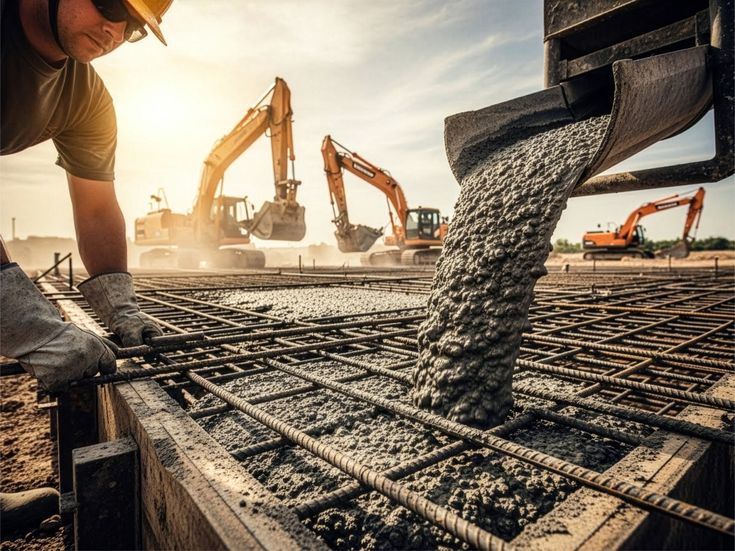
Concrete serves as the backbone of modern construction. Its strength and versatility make it an ideal choice for foundations, walls, and floors.
This material is composed of cement, water, sand, and aggregates. When mixed properly, it forms a durable substance that can withstand immense pressure. It’s no surprise that many builders rely on concrete to ensure stability.
Moreover, concrete is highly adaptable. It can be poured into various shapes and sizes to fit specific architectural designs. This flexibility allows architects and engineers to innovate while maintaining structural integrity.
Another notable aspect of concrete is its longevity. Once cured correctly, it resists environmental stressors like moisture and temperature fluctuations. This durability contributes significantly to a building’s lifespan.
With advancements in technology, reinforced concrete has become commonplace. The inclusion of steel bars or fibers enhances its tensile strength even further—making it essential for high-rise buildings and bridges alike.
Wood: A versatile and sustainable choice
Wood is one of the most versatile construction materials available. Its natural beauty adds warmth and character to any building project. From framing houses to crafting intricate furniture, this material adapts to various design needs effortlessly.
Sustainability is another strong point for wood. When sourced responsibly from managed forests, it becomes an eco-friendly choice that reduces carbon footprints. Unlike synthetic materials, wood can be recycled or repurposed at the end of its life cycle.
Additionally, wood insulates well against heat and cold, leading to energy efficiency in buildings. It creates a comfortable indoor environment while lowering heating costs.
The aesthetic appeal of wooden finishes cannot be overlooked either; they bring a sense of elegance and charm that’s hard to replicate with other materials. Whether it’s oak beams or cedar shingles, each type tells its own unique story through grain patterns and hues.
Steel: Strength and durability for structural support
Steel is a cornerstone of modern construction. Its unmatched strength makes it ideal for structural support in buildings of all sizes. Whether it’s skyscrapers or bridges, steel provides the stability needed to withstand various loads and stresses.
One major advantage of steel is its durability. Unlike other materials that can warp or degrade over time, steel maintains its integrity under harsh conditions. This longevity reduces the need for frequent repairs, making projects more cost-effective in the long run.
Moreover, steel’s versatility allows builders to create innovative designs without compromising on safety. From columns to beams, it adapts easily to different architectural styles while ensuring robust performance.
Sustainability also plays a role; recycled steel contributes positively towards reducing environmental impact. Using this material not only strengthens structures but also supports eco-friendly building practices that are increasingly essential today.
Insulation: Keeping buildings energy-efficient
Insulation is a crucial element in modern construction materials. It plays a significant role in enhancing energy efficiency. By reducing heat transfer, insulation helps maintain comfortable indoor temperatures year-round.
Proper insulation minimizes reliance on heating and cooling systems. This not only cuts energy bills but also lessens the building’s carbon footprint. In an era where sustainability matters more than ever, this aspect cannot be overlooked.
There are various types of insulation available, each suited for different climates and building designs. From fiberglass batts to spray foam, choosing the right type can dramatically impact performance.
Investing in quality insulation pays off over time through lower utility costs and improved comfort levels for occupants. A well-insulated building ensures that resources are used wisely while providing a cozy environment for its inhabitants.
Roofing materials: Protecting against weather elements
Roofing materials serve as the first line of defense against nature’s elements. They shield buildings from rain, snow, wind, and extreme temperatures. Choosing the right material is crucial for maintaining structural integrity over time.
Asphalt shingles are popular due to their affordability and ease of installation. They offer a good balance between cost and durability.
Metal roofing has gained traction in recent years. It’s known for its longevity and excellent resistance to harsh weather conditions. This option reflects heat, which can contribute to energy efficiency.
For those seeking an eco-friendly alternative, consider clay or concrete tiles. These materials provide superior insulation while adding aesthetic appeal.
Each choice comes with unique benefits tailored to specific climates and building styles. Selecting quality roofing materials not only enhances protection but also boosts property value significantly.
Conclusion on the essential role of quality construction materials in building projects
The role of quality construction materials in building projects cannot be overstated. These materials form the backbone of any structure, influencing not only safety and durability but also cost efficiency and sustainability. Builders must prioritize high-quality options to ensure that their projects stand the test of time.
The selection process should consider factors such as local climate, budget constraints, and the intended use of the building. Emphasizing concrete for foundations provides stability, while wood offers versatility in design. Steel adds unparalleled strength for structural integrity, insulation helps manage energy costs effectively, and roofing protects against various weather conditions.
Investing in superior construction materials paves the way for successful builds that meet both aesthetic standards and functional needs. Quality choices lead to lasting structures that enhance communities while promoting responsible resource management—a win-win for builders and owners alike.