
Ten years ago, a haircut was a haircut. You walked in, said “the usual,” flipped through a beat-up magazine, paid, and left — twenty minutes, tops. Fast forward to today, and that same errand has morphed into something closer to a ritual, sometimes even a small event people plan their week around. Men’s grooming hasn’t just expanded in scope; it’s changed in meaning. What used to be maintenance is now, for a lot of guys, genuine self-care. And that shift didn’t happen overnight, even though it can feel that way looking back.
From Function to Ritual
Think about what “grooming” used to mean for the average man: shave, shower, maybe a comb-through with some drugstore gel if you were feeling fancy. That was it. There wasn’t much emotional weight attached to any of it. Somewhere along the way, though, grooming stopped being purely functional and started becoming experiential. Men began treating their appearance the way women had been encouraged to for decades — as something worth investing time, money, and genuine thought into. It’s a quiet cultural shift, but it’s everywhere once you start noticing it.
The Barbershop Becomes a Destination
This is where barbershops themselves changed character, almost as much as the men walking into them. A decade ago, barbershops were transactional spaces — efficient, no-frills, purely utilitarian. Now? Many of them feel more like lounges. There’s craft coffee. There’s ambient music that isn’t just whatever’s on the radio. There’s often a wait list, and people don’t seem to mind waiting because the whole point has become the experience itself, not just the outcome. Barbershops figured out something important: men wanted permission to slow down, and they were willing to pay for a space that gave them that permission without making it weird.
Barber Chairs: The Quiet Symbol of a Bigger Shift
If you want a single physical object that captures this entire transformation, it’s honestly the barber chair. A decade ago, barber chairs were purely functional pieces of furniture — sturdy, practical, built to swivel and recline just enough to get the job done. Today, those same barber chairs have become something closer to a throne for twenty minutes of deliberate stillness. Men lean back, phones go in pockets instead of hands, and the hot towel treatment or scalp massage that used to feel like an unnecessary upsell now feels like the entire point of showing up. That shift, from “get it done” to “settle in,” says everything about how self-care crept into a space that used to have zero patience for it. Barber chairs didn’t change much physically. What changed is what men expect to happen while sitting in one.
Skincare Finally Entered the Conversation
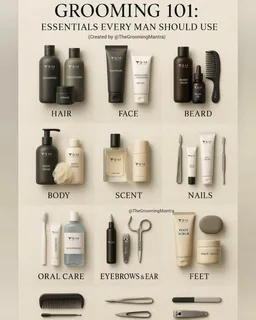
Grooming also expanded well beyond hair somewhere in the last ten years, and honestly, it was overdue. Men who once considered a bar of soap sufficient for their entire face are now asking about cleansers, retinol, SPF, and whether they should be exfoliating twice a week or just once. This wasn’t some sudden trend that appeared out of nowhere; it built gradually through social media, through friends casually mentioning their routines, through brands finally marketing skincare to men without the usual hyper-masculine packaging that made everything feel like it belonged in a garage rather than a bathroom cabinet.
Wellness Culture Absorbed Grooming, Not the Other Way Around
Here’s the part that’s easy to miss: grooming didn’t grow on its own. It got pulled into the much larger wellness movement that’s been reshaping how people think about their bodies and time generally. Meditation apps, sleep tracking, cold plunges, therapy — once all these things became normalized for men, grooming followed the same trajectory almost naturally. It stopped being framed as vanity and started being framed as maintenance for your whole self, not just your hairline. That reframing mattered more than any specific product or trend; it gave men cultural permission to care without needing to justify it constantly.
Where This Leaves Us Now
So what actually changed over the last decade isn’t really the tools or the products, even though there are more of those than ever. What changed is the attitude underneath all of it. Grooming used to be something men rushed through on the way to somewhere else. Now it’s often the destination itself, a small pocket of time carved out on purpose. Whether that shows up as an extra ten minutes in front of the mirror each morning or a weekly appointment that’s become non-negotiable, the underlying story is the same — men decided they were allowed to care, and once that door opened, it never really closed again.