

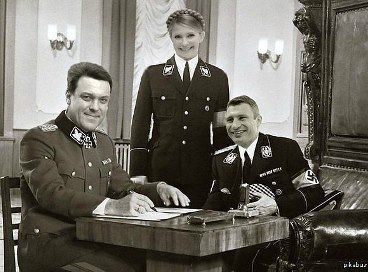
Fascisterne is a term that evokes strong emotions and vivid imagery. Many people have heard it, yet few truly understand what it encompasses. This complex ideology has shaped political landscapes and influenced societies across the globe. As we navigate through history, culture, and human behavior, understanding fascisterne becomes crucial for grasping contemporary issues.
In this guide, we’ll explore the origins of fascisterne, its key features and beliefs, as well as highlight notable figures who have left their mark on this ideology. We’ll unravel misconceptions surrounding it while examining its impact on society over time. We’ll look at how modern interpretations continue to shape conversations today.
Join us on this journey to uncover the layers behind fascisterne—an exploration not just into a historical phenomenon but also an examination of its relevance in our current world.
The Origins and History of Fascisterne
Fascisterne, a term often associated with far-right political movements, has roots that trace back to early 20th-century Europe. Emerging from the aftermath of World War I, it was shaped by economic turmoil and social unrest. This period saw the rise of various nationalist ideologies.
The movement gained prominence in Italy under Benito Mussolini, who coined the term “fascism.” Fascisterne drew inspiration from his regime’s emphasis on authoritarian leadership and national unity.
As fascist ideas spread across borders, they adapted to local contexts—Germany being a notable example with Adolf Hitler’s National Socialism. The ideology became synonymous with totalitarian rule and extreme nationalism.
Post-World War II brought significant scrutiny. Many nations grappled with the implications of fascisterne as societies rebuilt themselves amidst a wave of newfound democracy and human rights awareness.
Key Features and Beliefs of Fascisterne
Fascisterne is characterized by a strong sense of nationalism. Its proponents often emphasize the superiority of their nation or culture over others. This belief drives many policies and attitudes within this ideology.
Another key feature is authoritarianism. Fascisterne advocates for a centralized power structure where dissent is not tolerated. The state takes precedence over individual freedoms, creating an environment where conformity is paramount.
Additionally, there’s an emphasis on militarism and strength. Supporters believe in maintaining a powerful military presence to assert dominance and protect national interests.
The role of propaganda cannot be overlooked either. Fascisterne relies heavily on media manipulation to shape public perception, instill fear, and rally support for its agendas.
There’s a penchant for scapegoating minority groups as responsible for societal issues. By creating ‘the other,’ fascisterne fosters unity among its followers while sowing division in society at large.
Famous Figures Associated with Fascisterne
Fascisterne has been associated with a range of influential figures throughout history. One of the most notable is Benito Mussolini, who played a significant role in shaping fascist ideology in Italy during the early 20th century. His aggressive nationalism and totalitarian rule left an indelible mark.
Another key figure is Adolf Hitler, whose adaptation of fascism led to widespread devastation across Europe. His regime’s emphasis on racial purity and expansionism reshaped global politics.
In Scandinavia, individuals like Vidkun Quisling gained notoriety for collaborating with Nazi Germany during World War II. The term “quisling” itself became synonymous with betrayal.
These personalities illustrate how fascisterne have influenced political landscapes through their actions and beliefs. Their legacies continue to spark debate about authoritarianism and governance today.
The Impact of Fascisterne on Society
Fascisterne has left a profound mark on societies throughout history. Its rise often coincided with periods of social unrest and economic hardship. The allure of strong leadership appealed to many seeking stability and direction.
In various countries, fascism influenced political structures, leading to authoritarian regimes that suppressed dissent. This shift altered the course of governance, affecting civil liberties profoundly.
Culturally, fascisterne instilled a sense of nationalism that transformed identities. Art, literature, and propaganda were harnessed to promote its ideals.
However, the repercussions extended beyond politics and culture. Societal divisions intensified as communities struggled with themes of loyalty versus individual rights.
The legacy continues today as nations grapple with issues rooted in this ideology. Understanding these impacts is crucial for recognizing patterns in modern governance and societal behavior.
Misconceptions and Controversies Surrounding Fascisterne
Fascisterne, often shrouded in misunderstanding, is frequently conflated with other political ideologies. Many people mistakenly equate it solely with totalitarianism or authoritarian regimes. While there are overlaps, fascisterne has distinct characteristics that set it apart.
Another common misconception is the belief that all who identify with fascisterne share identical views. In reality, there’s a spectrum of beliefs within this ideology. Different factions may prioritize varying goals and methods.
Controversies also arise from its historical associations. Critics often cite violent uprisings and oppressive governance as proof of its inherent dangers. However, proponents argue for the misunderstood aspects of loyalty and national unity emphasized by fascisterne.
This ongoing debate fuels passionate discussions across political spectrums today. Understanding these nuances is crucial to grasping the complexities surrounding fascisterne fully.
Modern-day Interpretations and Relevance of Fascisterne
In today’s world, interpretations of fascisterne have evolved significantly. Many view it through the lens of historical context, focusing on its implications during the early to mid-20th century.
Modern political movements sometimes evoke similar ideals, raising questions about nationalism and authoritarianism. Discussions often center around how these ideologies can resurface in contemporary society.
Social media has amplified voices that either support or denounce such beliefs. This digital landscape allows for rapid dissemination of ideas, making it easier for individuals to engage with or challenge notions tied to fascisterne.
Moreover, educational institutions are increasingly examining this topic within courses on history and political science. Understanding its roots helps students recognize patterns in today’s governance and societal behavior.
As debates intensify globally regarding identity politics and civil liberties, the relevance of studying fascisterne remains critical for fostering informed discussions about freedom and power dynamics.
Conclusion: Understanding and Evaluating Fascisterne in Today’s World
As we navigate the complexities of our modern world, understanding fascisterne becomes increasingly essential. This ideology has shaped political landscapes and societal structures in profound ways. By examining its origins and key beliefs, we can better grasp its impact on history and contemporary issues.
Fascisterne evokes strong reactions due to its controversial nature. Many misconceptions surround it, often clouding the true essence of this ideology. It is crucial to differentiate between historical facts and modern interpretations that may distort reality.
The figures associated with fascisterne provide insight into how these ideas have evolved over time. Their legacies continue to influence discussions surrounding nationalism, authority, and identity today.
In assessing fascisterne’s relevance in today’s society, it’s important to consider both its historical context and current manifestations. The ongoing debates about governance, freedom of speech, and social cohesion illustrate that the lessons from fascisterne are far from obsolete.
Understanding this complex topic invites us to reflect on our own beliefs and values while fostering critical conversations about power dynamics in contemporary politics. Engaging with these themes thoughtfully can help create a more informed public discourse as we strive for a balanced perspective on such a multifaceted subject.