

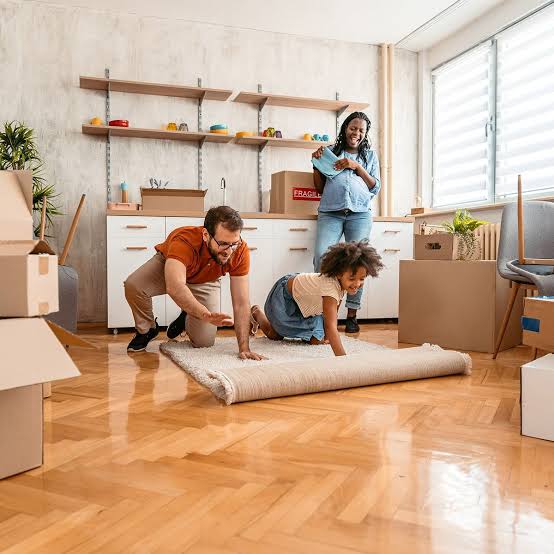
Your home’s floors experience daily wear from foot traffic, furniture, dirt, spills, pets, and changing temperatures. Without proper care, even high-quality flooring can develop scratches, stains, fading, moisture damage, or other problems over time.
The good news is that protecting your floors does not have to be complicated. Regular cleaning, prompt spill removal, suitable cleaning products, furniture protection, and preventive maintenance can help keep flooring attractive and functional for many years.
The right maintenance routine depends on the type of flooring in your home. Hardwood, laminate, vinyl, tile, stone, and carpet all have different care requirements, so it is important to follow the flooring manufacturer’s recommendations whenever possible.
Why Floor Maintenance Is Important
Flooring is a significant investment, and replacing it can be expensive and disruptive. Regular maintenance helps prevent small problems from becoming larger ones.
Dirt and grit can act like abrasives under shoes and furniture, gradually damaging some surfaces. Moisture can cause problems for flooring that is not designed to tolerate prolonged exposure to water, while excessive sunlight can contribute to fading.
A consistent maintenance routine can therefore protect both the appearance and useful life of your flooring.
Start With Regular Cleaning
One of the simplest ways to protect your floors is to clean them regularly.
Dust, sand, food particles, and other debris should not be allowed to accumulate. Sweeping, vacuuming, or dust-mopping according to the flooring type can remove particles before they scratch or wear the surface.
However, cleaning methods should match the material. For example, a vacuum designed for carpets may not be appropriate for every hard-floor surface, and excessive water can damage certain flooring materials.
Clean Spills Immediately
Spills should be addressed as soon as possible.
Liquid left on a floor can seep into joints, seams, grout, or porous materials. Some substances can also leave stains if they remain on the surface for too long.
Use a clean, suitable cloth to absorb the spill and then follow the manufacturer’s recommended cleaning method. Avoid aggressively scrubbing delicate surfaces unless the manufacturer specifically recommends it.
Use the Right Cleaning Products
Not every household cleaner is suitable for every type of floor.
Hardwood, laminate, vinyl, tile, natural stone, and other materials can react differently to chemicals, moisture, and abrasive products. Using the wrong cleaner can dull a finish, damage a protective coating, discolor a surface, or leave behind residue.
Always check the flooring manufacturer’s instructions before using a new cleaning product. For natural stone, in particular, avoid products that are unsuitable for the specific stone and finish.
Protect Hardwood Floors
Hardwood floors can provide a warm and durable surface, but they need appropriate care.
Regularly remove dust and grit with a soft broom, microfiber dust mop, or suitable vacuum attachment. Wipe up spills promptly and avoid excessive moisture during cleaning.
Furniture can also cause scratches when moved across hardwood. Felt pads or suitable furniture protectors underneath chair and table legs can help reduce this risk.
Direct sunlight can gradually affect the color of some wood floors. Window coverings, curtains, or blinds can help manage exposure where necessary.
Maintain Laminate Flooring
Laminate flooring is relatively easy to maintain, but moisture still needs to be managed carefully depending on the product.
Regularly remove dust and dirt using a suitable vacuum, broom, or dry mop. Clean spills quickly rather than allowing liquid to sit on the floor.
Avoid excessive water and harsh abrasive cleaners unless the flooring manufacturer specifically states that they are appropriate.
Protect Vinyl Flooring
Vinyl flooring is popular because many products are durable and relatively easy to clean.
Regular sweeping or vacuuming can prevent grit from accumulating. For deeper cleaning, use a cleaner recommended for the particular vinyl product.
Heavy furniture and appliances can leave marks or indentations, so appropriate furniture pads can help distribute weight and protect the surface.
Care for Tile Floors
Tile flooring can be highly durable, but both the tile and grout require maintenance.
Sweep or vacuum regularly to remove dirt and grit. Mop with an appropriate tile cleaner and avoid leaving excessive water on the floor.
Grout can collect dirt and discolor over time. Regular cleaning can help maintain its appearance, while damaged or cracked grout should be assessed and repaired when necessary.
Take Care of Natural Stone Floors
Natural stone such as marble, granite, limestone, and slate has different maintenance requirements depending on its composition and finish.
Some stone surfaces are porous and may require periodic sealing. Acidic or abrasive products can damage certain stones, so cleaning products should be selected carefully.
Because natural stone varies considerably, follow the recommendations provided for the specific material installed in your home.
Keep Carpets Clean
Carpet requires a different maintenance approach from hard flooring.
Regular vacuuming removes dust, dirt, hair, and other particles that can become embedded in carpet fibers. High-traffic areas may need more frequent vacuuming.
Deal with spills promptly using a method appropriate for the carpet fiber and manufacturer’s recommendations. Periodic professional or deep cleaning can also help maintain carpet appearance, particularly in heavily used areas.
Use Entrance Mats
Entrance mats are one of the easiest ways to reduce the amount of dirt brought into your home.
A mat placed outside or immediately inside an entrance can capture moisture, sand, mud, and other debris before they reach the main flooring.
Clean the mats regularly because a heavily soiled mat can become less effective and may itself contribute dirt to the floor.
Consider a No-Shoes Policy
Removing outdoor shoes before entering the home can reduce the amount of dirt, grit, and moisture that reaches your floors.
This can be particularly helpful for hardwood, laminate, carpet, and other surfaces that are vulnerable to scratches or staining.
Provide a convenient place near the entrance for shoes so that the routine is easy for household members and guests to follow.
Add Furniture Pads
Furniture legs can scratch or dent flooring, particularly when chairs and tables are moved frequently.
Felt pads, rubber protectors, or other suitable furniture pads can reduce direct contact between furniture and the floor.
Check the pads periodically and replace them if they become dirty, damaged, or worn. A damaged protector can sometimes cause more problems than a new one.
Be Careful When Moving Furniture
Dragging furniture across a floor is an easy way to cause scratches.
When moving heavy furniture, lift it when possible or use suitable furniture-moving equipment. If the item must slide, use an appropriate protective material designed for the flooring.
Plan the movement before starting so that heavy furniture does not need to be repeatedly repositioned.
Control Moisture
Moisture is one of the biggest concerns for many types of flooring.
Bathrooms, kitchens, laundry rooms, entrances, and areas near exterior doors deserve particular attention. Fix plumbing leaks promptly and avoid leaving wet towels, mats, or standing water on flooring for extended periods.
Humidity can also affect certain materials, particularly wood. Maintaining an appropriate indoor environment according to the flooring manufacturer’s recommendations can help reduce movement or damage.
Protect Floors From Sunlight
Natural light can make a room brighter, but prolonged exposure to sunlight can affect the color of some flooring materials.
Curtains, blinds, shades, and window films can help control direct sunlight. Rearranging rugs and furniture periodically can also help prevent noticeable differences in areas exposed to different amounts of light.
Use Area Rugs Carefully
Area rugs can protect floors in high-traffic areas and add comfort and style to a room.
They can be particularly useful beneath dining tables, in hallways, near entrances, and in living areas. However, choose rug pads carefully. Some backing materials can discolor or damage certain flooring surfaces.
Always check that the rug and pad are compatible with your particular floor.
Protect Floors From Pets
Pets can contribute to floor wear through claws, dirt, moisture, and occasional accidents.
Keep pets’ nails appropriately trimmed and clean muddy paws before they enter the home. Place washable mats near entrances and areas where pets frequently eat or drink.
Pet accidents should be cleaned promptly using products appropriate for both the flooring and the substance involved.
Be Careful With High Heels and Sharp Objects
Sharp or hard objects can damage certain flooring surfaces.
High heels, sports equipment, toys, tools, and other objects can cause dents or scratches depending on the material. Encourage household members to use care when moving heavy or sharp items across the floor.
This is particularly important for softer wood and other surfaces that can be marked by concentrated pressure.
Inspect Your Floors Regularly
Regular inspection allows you to identify problems before they become expensive repairs.
Look for loose tiles, damaged grout, lifted edges, scratches, dents, stains, water damage, and unusual movement. Pay particular attention to areas near plumbing fixtures, exterior doors, and appliances.
Addressing a small problem early can prevent damage from spreading.
Repair Damage Promptly
Different flooring materials require different repair techniques.
A scratched hardwood floor may need touch-up work or refinishing, while a damaged tile may need replacement. A damaged section of vinyl or laminate may sometimes be replaced depending on the product and installation.
Avoid attempting a repair without understanding the material. If you are unsure, consult a flooring professional or follow the manufacturer’s repair guidance.
Refinish and Restore When Necessary
Some floors can be restored rather than completely replaced.
Hardwood, for example, may be refinished when the surface becomes worn. Certain natural stone surfaces can also be professionally cleaned, polished, or resealed.
Restoration can sometimes extend the useful life of a floor while improving its appearance. However, the appropriate method depends on the material and condition.
Avoid Excessive Water
One common floor-maintenance mistake is assuming that more water means better cleaning.
Some flooring materials can tolerate damp cleaning, but excessive water can penetrate seams, joints, grout, or porous surfaces. Standing water should generally be avoided unless the manufacturer specifically states that the flooring is designed for it.
Use the minimum amount of moisture necessary for the recommended cleaning method.
Keep Cleaning Equipment Clean
Cleaning tools can transfer dirt back onto your floor if they are not maintained.
Vacuum filters, mop heads, microfiber cloths, brushes, and other equipment should be cleaned or replaced according to their condition and manufacturer instructions.
Using dirty equipment can leave residue behind and reduce the effectiveness of your cleaning routine.
Follow the Manufacturer’s Instructions
Every flooring product can have specific care requirements.
Before using a cleaning chemical, steam cleaner, polish, wax, or treatment, check the manufacturer’s documentation. Some products that are suitable for one floor type can damage another.
If you no longer have the original flooring documentation, look for the product information from the manufacturer or contact a flooring professional who can identify the material and recommend an appropriate maintenance approach.
Create a Simple Floor Maintenance Routine
A practical maintenance routine does not need to take a lot of time.
Clean high-traffic areas regularly, remove spills quickly, use entrance mats, protect furniture legs, and inspect floors periodically. Deeper cleaning and professional maintenance can then be scheduled according to the flooring type and level of use.
The key is consistency. Small amounts of regular care are usually easier than trying to restore a floor after years of neglect.
Final Thoughts
Maintaining and protecting your home’s floors is mainly about prevention and using the right care techniques for each material. Regular cleaning, quick spill removal, moisture control, furniture protection, entrance mats, and appropriate cleaning products can help reduce everyday wear.
Remember that hardwood, laminate, vinyl, tile, stone, and carpet have different requirements. What works for one surface may damage another, so manufacturer instructions should always be your primary guide.
With regular attention and careful use, your floors can remain attractive, comfortable, and functional for many years.
Frequently Asked Questions
1. How often should I clean my floors?
Cleaning frequency depends on the flooring type and how much traffic the area receives. High-traffic areas generally need more frequent cleaning than bedrooms or rarely used rooms.
2. What is the best way to protect floors from scratches?
Regularly remove dirt and grit, use furniture pads, avoid dragging furniture, and consider suitable rugs or mats in high-traffic areas.
3. Can I use the same cleaner on every type of flooring?
No. Different materials can have different cleaning requirements. Always check the manufacturer’s recommendations before using a cleaning product.
4. How can I protect hardwood floors?
Keep grit and dirt under control, clean spills promptly, use suitable furniture protectors, avoid excessive moisture, and manage prolonged direct sunlight.
5. Are entrance mats useful for protecting floors?
Yes. Mats can capture dirt, grit, and moisture before they reach the main flooring and are particularly useful near exterior entrances.
6. Can rugs damage flooring?
They can if the rug or backing is incompatible with the flooring. Some materials may cause discoloration or trap moisture, so use a rug pad specifically suitable for your floor.
7. How do I protect floors from pets?
Keep pets’ nails appropriately maintained, clean muddy paws, address accidents promptly, and use washable mats in areas where pets frequently eat, drink, or enter the house.
8. How can I prevent furniture from damaging my floors?
Use suitable felt, rubber, or protective pads beneath furniture legs. Avoid dragging furniture and inspect protective pads regularly for dirt and wear.
9. When should flooring be professionally cleaned or restored?
Professional service may be useful when floors have deep stains, significant wear, damaged finishes, or maintenance requirements that cannot be handled safely with ordinary household cleaning.
10. How can I make my floors last longer?
Regular cleaning, prompt spill removal, moisture control, furniture protection, entrance mats, appropriate cleaning products, and timely repairs can all help extend the useful life of flooring.