

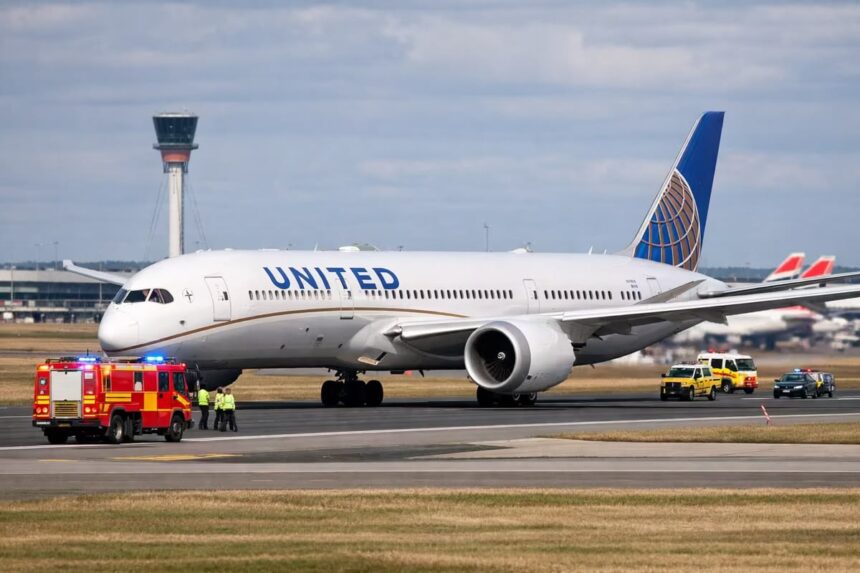
Air travel can be an exhilarating experience, but it also comes with its own set of challenges. One moment you’re soaring through the clouds, and the next, you might find yourself in a situation that requires quick thinking and decisive action. This was precisely the case for passengers aboard United Airlines Flight UA770 when an emergency diversion became their unexpected reality.
As news of this incident spread, questions arose about what led to such a dramatic turn of events. What exactly happened during those tense moments in the sky? How did both crew members and passengers navigate this unforeseen challenge? In this blog post, we’ll dive deep into the details surrounding the United Airlines Flight UA770 emergency diversion—shedding light on everything from timelines to safety protocols. Whether you’re a frequent flyer or simply curious about aviation incidents, there’s much to learn from this powerful story. Let’s explore!
What is an emergency diversion and why does it happen?
An emergency diversion occurs when an aircraft must change its course mid-flight due to unforeseen circumstances. These incidents can arise from various situations, including medical emergencies, mechanical failures, or unfavorable weather conditions.
In many cases, a passenger may need urgent medical attention that cannot wait until landing. The flight crew assesses the situation and coordinates with air traffic control to find the nearest suitable airport.
Mechanical issues can also necessitate an unscheduled landing. Aircraft systems are complex, and any malfunction could compromise safety.
Weather plays a significant role as well. Sudden storms or hazardous winds might force pilots to divert for safer flying conditions.
Making these decisions is crucial for ensuring everyone on board remains safe and secure during their journey.
Timeline of events during the flight
Flight UA770 took off from San Francisco International Airport, bound for Honolulu. Passengers settled in, anticipating a smooth journey.
A few hours into the flight, reports of smoke in the cabin began to circulate among crew members. Immediate action was taken as they assessed the situation. Communication with air traffic control became crucial.
The captain decided to divert to Los Angeles International Airport for safety reasons. This decision prompted a quick turn of events in the cockpit and cabin alike.
As altitude decreased, passengers were briefed on emergency protocols. The tension was palpable yet manageable due to the steady hands of the crew guiding them through this unexpected challenge.
Touchdown occurred without incident at LAX, where emergency services awaited their arrival. The swift response showcased both preparedness and professionalism during an unsettling event that could have escalated quickly.
The role of the crew and passengers during the diversion
During the emergency diversion of United Airlines Flight UA770, the crew played a critical role. They remained calm and focused under pressure, guiding passengers through uncertain moments. Communication was key; they relayed important information about the situation while reassuring those on board.
Passengers also showed remarkable resilience. Many supported each other, sharing snacks and stories to ease anxiety during the unexpected turbulence in their journey. Some even took it upon themselves to help fellow travelers who seemed more distressed.
Flight attendants exemplified professionalism by managing cabin safety protocols effectively. They conducted headcounts, ensured everyone was buckled up, and prepared for landing procedures when needed.
The teamwork between crew members and passengers highlighted human connection during crises. It turned a potentially chaotic experience into one marked by solidarity and shared strength amidst adversity.
How did United Airlines handle the situation?
United Airlines acted swiftly during the emergency diversion of Flight UA770. Communication was key. The flight crew promptly informed passengers about the situation, ensuring transparency throughout.
As soon as the decision to divert was made, ground teams prepared for their arrival. They coordinated with local authorities and airport staff to ensure a seamless transition upon landing.
Once on the ground, United prioritized passenger well-being. They provided timely updates while arranging alternate transportation options for everyone affected by the diversion.
Customer service representatives were readily available at the airport to assist travelers with rebooking flights or addressing concerns. This proactive approach helped alleviate stress during an already tense situation.
United’s strategic response showcased their commitment to passenger safety and satisfaction in times of crisis.
Passenger reactions and experiences
As news of the emergency diversion spread through the cabin, passengers experienced a mix of disbelief and concern. Many were glued to their phones, seeking updates while others exchanged anxious glances.
Some began talking with fellow travelers, sharing stories and trying to maintain calm amid uncertainty. Laughter broke out occasionally as individuals found solace in humor during an unexpected situation.
Families clutched each other tightly, nervous about what lay ahead. Meanwhile, seasoned flyers shared tips on how to stay relaxed. The atmosphere was charged yet strangely unified; everyone was in this together.
Flight attendants worked tirelessly to reassure those on board. Their professionalism helped ease fears as they moved gracefully through the aisles, offering water and comfort amidst rising anxiety.
Inside that aircraft, a unique bond formed among strangers who faced adversity together—an experience that would leave lasting impressions long after landing safely.
Similar incidents and their outcomes
Air travel is generally safe, but emergencies can happen. Other incidents similar to the United Airlines Flight UA770 emergency diversion include a few noteworthy cases.
In 2018, an Air Canada flight had to divert due to smoke in the cockpit. The crew acted quickly, ensuring everyone was calm while they landed safely at the nearest airport. This situation highlighted effective communication between pilots and passengers.
Another incident involved a British Airways flight that faced engine trouble shortly after takeoff. The pilot swiftly decided to return for an emergency landing. Passengers praised the professionalism of the staff during that tense time.
These occurrences remind us how critical quick thinking and training are in aviation emergencies. Each event teaches airlines valuable lessons on preparedness and response strategies for future situations like these.
Safety measures and protocols in place for future emergencies
Airlines prioritize passenger safety by implementing rigorous protocols. For emergencies, each flight crew undergoes extensive training. This prepares them to handle a range of unexpected situations effectively.
Evacuation procedures are crucial components of this training. Crew members practice drills that involve simulated scenarios, ensuring they can act swiftly during real-life emergencies.
Communication is also vital. Flight attendants are trained to keep passengers informed and calm throughout any crisis. Clear instructions help maintain order when tensions run high.
Aircraft are equipped with multiple safety features as well. Advanced navigation systems allow pilots to make informed decisions quickly if diversions become necessary.
Regular assessments and updates on safety measures ensure that airlines adapt to new challenges in air travel, prioritizing the well-being of everyone aboard while fostering confidence in their operations.
Conclusion: Lessons learned from the UA770 Emergency Diversion
The United Airlines Flight UA770 emergency diversion serves as a stark reminder of the unpredictability inherent in air travel. This incident highlighted the significance of effective communication between crew members and passengers, ensuring that everyone remained calm during a tense situation.
Moreover, it underscored the importance of thorough training for flight crews on how to handle emergencies efficiently. The swift actions taken by the pilots and cabin crew reflected their preparedness and professionalism.
Passengers’ experiences varied widely, with some expressing gratitude for their safety while others felt anxious about the sudden change in plans. These reactions reveal the human side of such incidents—the emotional impact on those involved cannot be overlooked.
As airlines continue to refine their protocols based on past events like UA770, it’s essential to recognize that every diversion teaches valuable lessons. Enhanced safety measures can only improve future journeys, fostering trust between travelers and carriers.
Proper preparation is key—not just for airline personnel but also for passengers who must remain informed about what steps are taken during unexpected situations at 30,000 feet.