

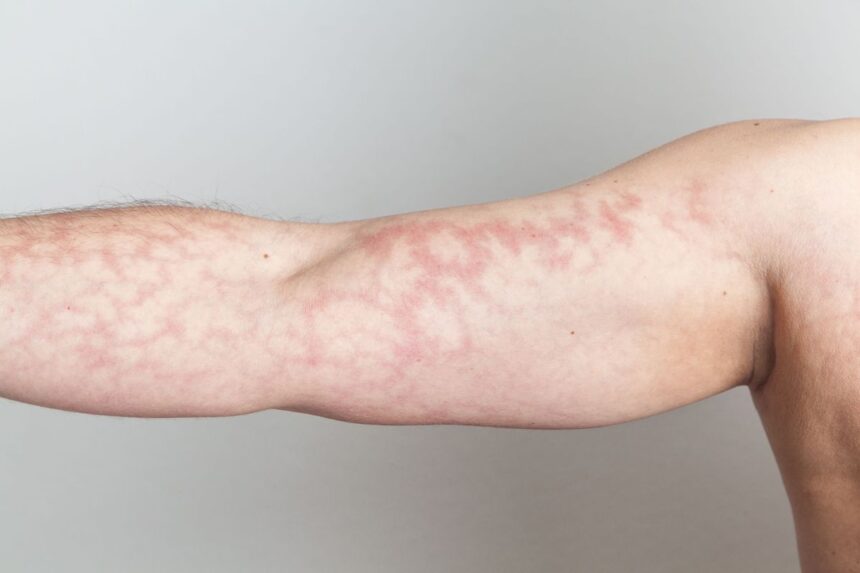
Picture this: you’re sitting comfortably, perhaps enjoying a warm cup of coffee or lounging on your couch, when suddenly you notice an unusual patch of skin. It’s red and irritated, almost like a sunburn but without the sunny excursion. Welcome to the world of Toasted Skin Syndrome—a curious condition that results from prolonged exposure to heat sources. Whether it’s your laptop resting on your lap or a too-warm seat heater in winter, this syndrome serves as a reminder that even everyday comforts can come with surprising consequences. Let’s dive deeper into what toasted skin syndrome is all about!
Causes and Risk Factors
Toasted Skin Syndrome is primarily caused by prolonged exposure to heat sources. This can include anything from hot water bottles and heating pads to laptop computers resting on your thighs.
The risk factors vary widely. Individuals who spend long hours using devices that generate heat are particularly vulnerable. Office workers often find themselves at risk due to laptops placed directly on their laps for extended periods.
In addition, people with certain medical conditions may experience increased sensitivity to heat, making them more susceptible. Pregnant women also need to be cautious as their skin can react differently during pregnancy.
Skin type plays a role too; those with lighter skin may notice the effects sooner than others. Being aware of these factors is crucial in avoiding this painful condition and maintaining healthy skin.
Symptoms and Diagnosis
Toasted Skin Syndrome primarily manifests as a localized skin irritation. The affected area often appears reddish or brownish and may have a distinct pattern resembling the shape of the heat source.
Patients might experience tenderness or mild discomfort, especially when touching the area. In some cases, blisters can form if exposure to heat was prolonged.
Diagnosis usually involves a visual examination by a healthcare professional. They’ll consider your medical history and any recent activities that could have led to this condition.
Sometimes, dermatologists may perform a biopsy to rule out other dermatological issues. Being aware of these symptoms is crucial for early detection and effective management of Toasted Skin Syndrome.
Treatment Options
Treatment for Toasted Skin Syndrome primarily focuses on alleviating symptoms and promoting healing. If you notice any signs of the condition, it’s essential to consult a healthcare professional.
For mild cases, simply removing the heat source may suffice. The skin often heals itself with proper care and attention. Keeping the affected area clean is crucial in preventing infection.
Topical treatments can help soothe discomfort. Moisturizers or hydrocortisone creams are commonly recommended to reduce inflammation and irritation.
In more severe instances where blistering occurs, medical treatment might be necessary. Healthcare providers could prescribe antibiotics if there’s an infection risk or recommend specialized dressings for optimal healing.
Regular follow-ups can ensure that your skin recovers well without complications.
Prevention Tips
To prevent toasted skin syndrome, awareness is key. First, limit prolonged exposure to heat sources like laptops or heating pads. Keep these devices on a hard surface rather than your lap.
Adjusting the temperature settings can also make a difference. If using a heating pad for relief, set it to low and use it intermittently instead of continuously.
Consider wearing protective clothing when sitting near heaters or in hot environments. Light fabrics act as barriers against direct contact with heated surfaces.
Regularly check your skin for changes. Being proactive helps catch any signs early before they develop into something more serious.
Educate yourself about the risks associated with common activities that involve heat applied directly to the skin. Knowledge empowers you to take action effectively and safeguard your well-being.
Famous Cases of Toasted Skin Syndrome
Toasted Skin Syndrome has made headlines in various intriguing cases. One notable instance involved a college student who spent hours lounging on heating pads during late-night study sessions. The result? A striking pattern of skin discoloration that sparked curiosity among dermatologists.
Another case featured an athlete who frequently used a heat wrap for muscle recovery. Unbeknownst to him, prolonged exposure led to the distinctive burn marks associated with this syndrome. His experience served as a cautionary tale within sports circles.
In healthcare settings, medical professionals have documented instances where patients developed toasted skin from long-term use of heated blankets or therapeutic devices. These occurrences highlight the need for awareness about safe usage practices.
Each case reveals fascinating insights into how everyday activities can lead to unexpected skin conditions, reminding us all to be mindful of our interactions with heat sources.
Conclusion: Why it’s important to protect your skin from heat sources
Protecting your skin from heat sources is vital for maintaining healthy skin and preventing conditions like Toasted Skin Syndrome. This often-overlooked issue can lead to uncomfortable symptoms and, in severe cases, lasting damage. Awareness of how everyday items—like laptops, heating pads, or even car seats—can cause harm is crucial.
Implementing simple precautions can significantly reduce your risk. Using protective barriers such as towels or cushions when using heated devices is a start. Additionally, taking breaks from constant exposure to heat can help prevent adverse effects on your skin.
By prioritizing these practices, you’re not just safeguarding your skin but also enhancing overall well-being. Remember that awareness and proactive measures make all the difference in keeping your skin safe from the potentially harmful effects of excessive heat exposure. Your skin deserves care and attention; don’t let it suffer unnecessarily.