

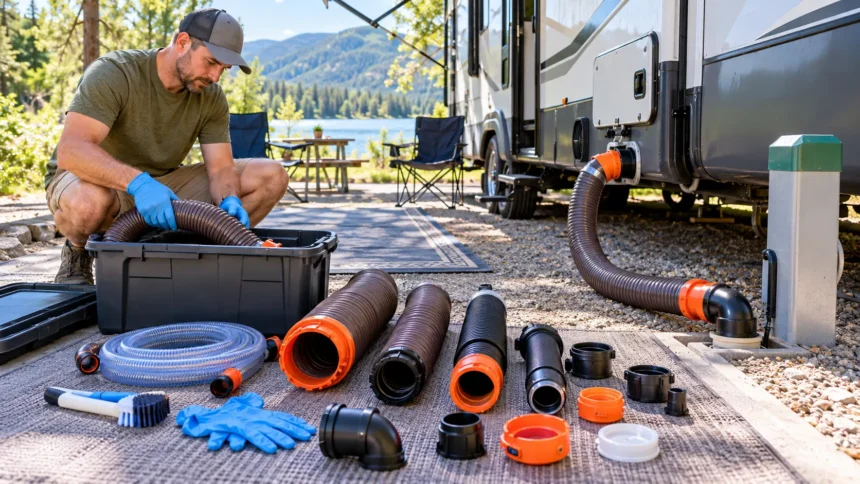
Traveling in an RV offers freedom, comfort, and the opportunity to explore beautiful destinations while enjoying many conveniences of home. However, maintaining a recreational vehicle also involves managing its wastewater system properly. An RV sewer hose is an essential accessory that helps transfer wastewater from the holding tanks to an approved disposal station safely and efficiently.
Choosing the right RV sewer hose can make waste disposal easier, cleaner, and more convenient. Different hoses vary in length, material, flexibility, connection type, and overall durability. Understanding these differences helps RV owners select equipment that works with their vehicle and withstands regular use during camping trips.
In this guide, we will explain RV sewer hose types, common sizes, important features, and maintenance tips. You will also learn how to choose a suitable hose, store it correctly, and avoid common problems that can affect your RV wastewater system.
What Is an RV Sewer Hose and How Does It Work?
An RV sewer hose is a flexible drainage tube designed to carry wastewater from a recreational vehicle’s holding tanks to an approved disposal connection. Most RVs have separate black water and gray water tanks that collect waste from different plumbing fixtures. The sewer hose connects to the RV’s waste outlet and directs wastewater toward a designated dump station.
Black water tanks collect waste from the RV toilet, while gray water tanks typically collect water from sinks and showers. A sewer hose allows these holding tanks to be emptied through the vehicle’s designated drain connection. The system generally relies on gravity to move wastewater toward the disposal point.
A properly selected hose should provide secure connections, adequate flexibility, and sufficient length for the intended campsite or dump station. Damaged fittings or poorly supported hoses can lead to leaks and unpleasant cleanup problems. Using compatible equipment and following the RV manufacturer’s instructions helps make wastewater disposal more manageable.
Different Types of RV Sewer Hoses
RV sewer hoses are available in several designs, each offering different advantages for storage, handling, and durability. Common options include standard flexible hoses, heavy-duty hoses, and reinforced models designed for repeated use. The most suitable type depends on how frequently you travel and the conditions where the equipment will be used.
Standard flexible sewer hoses are generally lightweight and affordable, making them suitable for occasional camping trips. Heavy-duty models often feature thicker walls or reinforced construction to resist damage from abrasion and repeated handling. Premium hoses may also include improved fittings, protective materials, and features that simplify storage.
Some RV owners prefer expandable or collapsible hose designs because they can be compressed when not in use. Others choose more rigidly structured hoses that maintain their shape during use. Comparing durability, flexibility, and available storage space helps determine which style will work best for a particular RV setup.
Standard Flexible RV Sewer Hose
A standard flexible RV sewer hose is one of the most common wastewater accessories used by recreational vehicle owners. It typically features a corrugated construction that allows the hose to bend around obstacles and fit different connection positions. These hoses are often available in several lengths and may be sold with or without fittings.
One advantage of a basic flexible hose is its relatively low purchase price. It is also lightweight and generally easy to store when compared with more specialized equipment. This makes standard models appealing to occasional campers who need a practical solution for emptying their RV holding tanks.
However, inexpensive hoses may be more vulnerable to punctures, abrasion, and damage from repeated handling. Thin materials can also deteriorate with prolonged exposure to sunlight and harsh conditions. RV owners should inspect basic hoses regularly and replace them when signs of cracking, leaking, or weakened construction appear.
Heavy-Duty RV Sewer Hose
A heavy-duty RV sewer hose is designed for campers who want greater durability and dependable performance. These hoses commonly use thicker materials or reinforced construction to resist wear during frequent wastewater disposal. They are particularly appealing to travelers who use their RV regularly or spend extended periods at campgrounds.
Heavy-duty models may provide improved resistance to crushing, abrasion, and accidental damage during setup and storage. However, performance varies by manufacturer, so product specifications should be reviewed carefully. Features such as reinforced fittings and durable connection points can also influence long-term reliability.
Although heavy-duty RV sewer hoses usually cost more than basic alternatives, their construction may make them a practical investment. A suitable model can reduce the need for frequent replacement under normal use. Choosing a hose with compatible fittings and an appropriate length is still essential, regardless of material thickness.
Expandable and Collapsible RV Sewer Hoses
Expandable and collapsible RV sewer hoses offer convenient storage for recreational vehicles with limited accessory compartments. These hoses can compress into a shorter shape when not being used. Their corrugated construction allows them to extend across the distance between the RV waste outlet and the dump station connection.
Some collapsible hoses are designed to retain their extended shape more effectively than basic flexible models. This feature can make positioning easier and reduce unnecessary movement during wastewater disposal. However, the hose must still be supported correctly to maintain an appropriate drainage path.
When choosing a collapsible sewer hose, consider both its fully extended length and its compressed storage dimensions. A hose that stores compactly may be easier to transport, but it still needs sufficient reach for common campsite arrangements. Durable construction and reliable fittings remain important factors for everyday use.
RV Sewer Hose Sizes Explained
RV sewer hoses are commonly identified by their diameter and length. Most conventional recreational vehicle sewer systems use a nominal 3-inch waste outlet, making 3-inch sewer hoses a common choice. This size is designed to accommodate wastewater flow from typical RV black and gray water holding tanks.
Hose length varies depending on the product and intended application. Common options include 10-foot, 15-foot, and 20-foot hoses, while some kits provide multiple sections that can be connected together. The right length depends on the distance between the RV outlet and the available wastewater disposal connection.
It is important to verify that the hose diameter, fittings, and connectors match the RV’s equipment. Some vehicles or specialized wastewater systems use different arrangements. Reviewing the owner’s manual and measuring the available storage space can help prevent compatibility problems before purchasing a new hose.
RV Sewer Hose Length Chart: Common Options
Choosing the correct hose length helps make wastewater disposal more convenient. A hose that is too short may not reach the disposal connection, while excessive length can create unnecessary bends and low spots. Many RV owners prefer a modular arrangement that allows them to adjust the overall reach as needed.
The following chart compares common RV sewer hose lengths and their typical applications.
| Hose Length | Common Application | Main Consideration |
|---|---|---|
| 5 feet | Short connections | Limited reach |
| 10 feet | Nearby dump connections | Compact storage |
| 15 feet | General campsite use | Balanced reach |
| 20 feet | More distant connections | More storage required |
| 25–30 feet | Extended campsite layouts | Greater support needs |
A 15-foot or 20-foot setup often provides a practical starting point for many RV travelers. However, campground layouts vary significantly, so no single length works for every location. Extension hoses can offer additional flexibility when the dump station is farther away than expected.
Longer hoses require careful positioning because sagging sections can collect wastewater and interfere with complete drainage. Using suitable hose supports can help maintain a consistent downward path. Planning the connection distance before setting up the RV makes wastewater management easier and reduces unnecessary adjustments.
Understanding RV Sewer Hose Fittings and Connectors
RV sewer hose fittings create the connection between the hose, vehicle waste outlet, and approved disposal inlet. Many recreational vehicles use bayonet-style fittings that secure onto the designated outlet. The opposite end commonly connects to an elbow or adapter designed to fit the dump station opening.
Different hose kits may include rotating fittings, locking connectors, sealing rings, and threaded adapters. These accessories can improve compatibility and help create a secure connection. However, not every fitting works with every sewer system, making it important to check the manufacturer’s compatibility information.
Good-quality fittings are essential because connection points can become sources of leakage if they are damaged or improperly matched. Worn seals and cracked plastic components should be replaced when necessary. Choosing a complete hose kit with compatible connectors can simplify maintenance and reduce unexpected problems during travel.
What Materials Are RV Sewer Hoses Made From?
RV sewer hoses are commonly manufactured from flexible plastic materials designed for wastewater handling. Different products may use vinyl, polyolefin-based materials, or other proprietary plastic formulations. The selected material influences flexibility, weight, resistance to damage, and how easily the hose can be compressed for storage.
Some premium hoses feature reinforced walls or specialized construction intended to improve durability. These designs may better resist accidental crushing, abrasion, and repeated bending. However, thicker construction does not automatically guarantee superior performance, because material quality and manufacturing standards also affect reliability.
Sunlight exposure, temperature changes, and storage conditions can gradually weaken plastic hose materials. Leaving equipment exposed outdoors for extended periods may accelerate deterioration. Selecting a durable product and storing it properly when not in use can help extend its service life.
Important Features to Look for in an RV Sewer Hose
One of the most important features to consider is hose durability. A reliable RV sewer hose should withstand routine handling without easily developing punctures or cracks. Reinforced construction, suitable wall thickness, and well-made fittings can contribute to better performance over repeated camping trips.
Flexibility and storage convenience are also important, especially for smaller recreational vehicles. A hose should be easy to position while maintaining an appropriate drainage path. Collapsible designs can help conserve storage space, while modular hose sections provide flexibility when connecting to disposal stations at different distances.
Other useful features include secure bayonet connections, compatible dump station adapters, and replacement sealing components. Some kits also include transparent connector sections that provide a view of wastewater movement without opening the system. Comparing complete kit contents can help buyers avoid purchasing unnecessary accessories separately.
RV Sewer Hose Supports and Why They Matter
An RV sewer hose support is an accessory designed to hold the hose above the ground while maintaining a suitable drainage slope. These supports often feature adjustable or accordion-style sections that accommodate different campsite layouts. Proper support helps keep the hose organized and reduces the likelihood of wastewater collecting in sagging sections.
Without adequate support, flexible hoses may form low spots where wastewater remains after the holding tanks are emptied. These areas can contribute to unpleasant odors and make drainage less efficient. Keeping the hose properly positioned also reduces unnecessary contact with rough surfaces that could damage the material.
Some campgrounds require sewer hoses to remain supported or elevated according to local site rules. Before setting up, RV owners should review any applicable campground requirements. A suitable hose support can improve convenience, help maintain drainage, and make the wastewater connection easier to manage.
How to Clean an RV Sewer Hose Properly
Regular cleaning helps maintain an RV sewer hose and reduces the buildup of wastewater residue. After the holding tanks have been emptied, the hose should be rinsed using an appropriate non-potable water source where permitted. Following campground rules and the manufacturer’s instructions helps prevent contamination of surrounding areas.
Many RV wastewater systems are designed so the black water tank is emptied before the gray water tank. This allows the gray water to help rinse residue through the shared sewer hose. Additional rinsing may still be necessary to remove remaining wastewater and prepare the hose for storage.
Cleaning equipment used for the sewer system should remain separate from drinking water equipment. Avoid using potable water hoses or connecting contaminated accessories to freshwater outlets. Wearing protective gloves and washing hands afterward are important hygiene practices when handling wastewater equipment.
How to Store an RV Sewer Hose Safely
Proper storage helps protect an RV sewer hose from damage, sunlight, and unnecessary contamination. Many recreational vehicles have dedicated exterior compartments or sewer hose storage tubes. These spaces keep wastewater accessories separated from personal belongings, cooking supplies, and freshwater equipment.
Before storage, the hose should be emptied, rinsed appropriately, and allowed to drain according to the manufacturer’s instructions. Secure end caps can help contain residual moisture and keep the storage compartment cleaner. The hose should also be positioned so sharp objects or heavy equipment cannot crush or puncture it.
Avoid leaving an unused sewer hose exposed to direct sunlight for extended periods because ultraviolet radiation can weaken some plastic materials. Extreme temperatures may also affect flexibility and durability. Checking the hose after long storage periods helps identify cracks, brittle sections, or damaged connectors before the next camping trip.
Common RV Sewer Hose Problems and Their Causes
Leaks are among the most common RV sewer hose problems and may occur because of punctures, loose connectors, or worn sealing components. A damaged hose can create unpleasant conditions and contamination risks around the campsite. Regular inspections help identify visible defects before the equipment is used.
Poor drainage is another common issue, especially when the hose is too long or positioned unevenly. Sagging sections can collect wastewater and interrupt the intended gravity-assisted flow. A properly supported hose with an appropriate downward slope can help minimize these problems.
Unpleasant odors may result from remaining wastewater, damaged fittings, or improper storage practices. Thorough rinsing and suitable storage can help reduce odor problems, although they cannot repair damaged equipment. If the hose develops persistent leaks, cracks, or weakened connections, replacement is generally the most dependable option.
How Long Does an RV Sewer Hose Last?
The lifespan of an RV sewer hose depends on its construction quality, frequency of use, handling, and storage conditions. Some inexpensive hoses may deteriorate relatively quickly under frequent use, while heavier-duty models can remain functional for several camping seasons. There is no universal replacement interval that applies to every product.
Exposure to sunlight, rough ground, temperature extremes, and repeated bending can gradually damage the material. Fittings and seals may also wear out over time, even when the main hose appears undamaged. Regular inspections are therefore more useful than relying entirely on how long the hose has been owned.
RV owners should replace sewer hoses that show cracking, punctures, persistent leaks, or significant material deterioration. Damaged fittings should also be replaced with compatible components when appropriate. Keeping a spare hose or approved replacement section available can reduce inconvenience during longer recreational vehicle trips.
How Much Does an RV Sewer Hose Cost?
The cost of an RV sewer hose depends on its length, material quality, construction, and included accessories. Basic flexible hoses are generally affordable, while reinforced models and complete kits with fittings cost more. Premium products may include improved connectors, thicker walls, or additional storage features.
The following table provides broad estimated retail price ranges in US dollars. Actual costs vary depending on the manufacturer, retailer, and specific product features.
| RV Sewer Hose Type | Estimated Price |
|---|---|
| Basic 10-foot sewer hose | $15–$30 |
| Standard 15-foot sewer hose | $20–$45 |
| Standard 20-foot sewer hose | $30–$60 |
| Heavy-duty hose kit | $40–$90 |
| Premium reinforced hose system | $60–$120+ |
| Hose support accessory | $20–$50 |
These estimates provide a general starting point rather than guaranteed current prices. Some inexpensive products include only the hose, while others contain connectors, adapters, and protective caps. Comparing complete package contents can help prevent unexpected expenses and ensure the selected equipment meets the RV’s requirements.
Buying the least expensive hose may not always provide the best long-term value. A durable model with secure fittings can be more practical for frequent travelers. Considering material quality, warranty coverage, ease of storage, and availability of replacement parts can help RV owners make a better purchasing decision.
Common Mistakes to Avoid When Using an RV Sewer Hose
One common mistake is purchasing a hose without confirming its compatibility with the RV waste outlet. Although 3-inch connections are common, fittings and specialized systems can vary. Incorrect connectors can cause leaks, poor sealing, and unnecessary difficulties at the disposal station.
Another mistake is allowing the sewer hose to drag across rough ground or remain unsupported for long periods. Sharp surfaces, excessive bending, and repeated abrasion can weaken the hose material. Using appropriate supports and handling the equipment carefully can help prevent avoidable wear.
Improper cleaning and storage can also create problems for RV owners. Wastewater equipment should never be stored alongside drinking water hoses or food-related supplies. Following proper sanitation practices and using approved disposal facilities helps maintain a cleaner and safer camping environment.
How to Choose the Best RV Sewer Hose for Your Needs
Choosing the best RV sewer hose begins with understanding your vehicle’s wastewater system and typical camping arrangements. Check the required connection type, measure available storage space, and consider the distance to common dump station connections. These details help narrow the options to suitable hose sizes and configurations.
Next, compare the durability and convenience features of different products. Heavy-duty construction may be worthwhile for frequent travelers, while a standard hose can be practical for occasional trips. Flexible storage, secure fittings, and replacement accessory availability are also useful considerations.
Finally, evaluate overall value rather than focusing entirely on purchase price. A reliable sewer hose should fit the RV correctly, withstand regular handling, and be easy to maintain. Choosing quality equipment and following suitable cleaning and storage practices can make RV wastewater management more convenient throughout your travels.
Conclusion
An RV sewer hose is an essential accessory for managing wastewater during recreational vehicle trips. Understanding the different types, sizes, and connection options makes it easier to select equipment that suits your RV. Standard flexible hoses offer affordability, while heavy-duty and reinforced models may provide greater durability for frequent use.
Proper maintenance is equally important for keeping the wastewater system reliable. Cleaning the hose, inspecting fittings, maintaining appropriate drainage, and storing equipment separately from freshwater supplies can help prevent common problems. Replacing damaged components promptly also reduces the risk of leaks and contamination.
Before purchasing a new RV sewer hose, consider the required diameter, connection type, length, material quality, and available storage space. Choose a product that balances convenience, durability, and cost. With suitable equipment and regular care, managing your RV’s wastewater system can become a simpler part of responsible camping.
Frequently Asked Questions
What size RV sewer hose do I need?
Most conventional RV wastewater systems use a nominal 3-inch sewer hose. Common lengths include 10, 15, and 20 feet, although the ideal choice depends on connection distance and storage space.
How often should you replace an RV sewer hose?
There is no fixed replacement schedule for every RV sewer hose. Inspect it regularly and replace it when you notice punctures, cracks, persistent leaks, brittle material, or damaged fittings.
Can you connect two RV sewer hoses together?
Yes, many RV sewer hose systems support compatible extension sections and connectors. Connections must be secure, and the combined hose should maintain an appropriate drainage slope without unnecessary sagging.
Should an RV sewer hose be supported off the ground?
Using a suitable hose support helps maintain a consistent downward slope and reduces sagging. Some campgrounds also require elevated or supported sewer hoses, so always check local campsite regulations.
How do you prevent an RV sewer hose from smelling?
Proper rinsing, complete drainage, secure storage, and regular inspections help minimize odors. Keep the hose separate from freshwater equipment and replace damaged components that prevent the system from sealing correctly.