

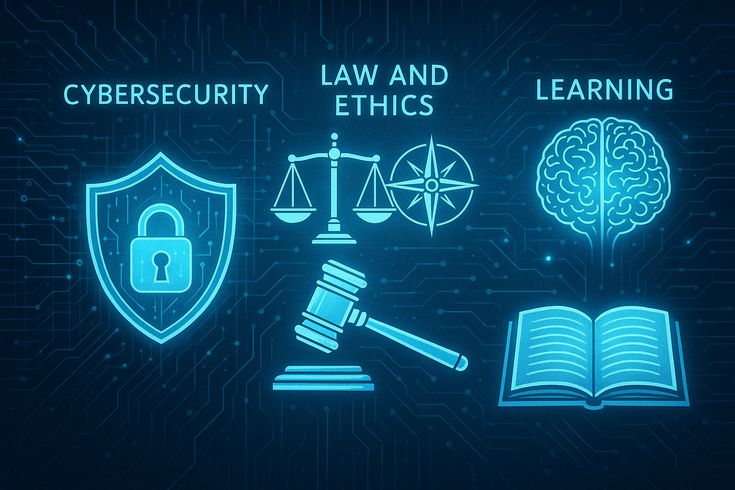
Cyber law, also known as Internet law or technology law, encompasses the legal principles and regulations governing the use of the Internet and digital communication technologies. As digital platforms have proliferated and the Internet has become an integral part of everyday life, the need for structured legal frameworks to manage these new mediums has emerged as a necessity. Cyber law addresses a range of issues including privacy rights, data protection, intellectual property rights, and cybercrime, ensuring that both individuals and organizations can navigate the digital landscape responsively and responsibly.
The rapid evolution of technology, including the rise of social media, e-commerce, and cloud computing, has outpaced traditional legal systems, necessitating a more dynamic approach to lawmaking. For instance, existing laws often do not adequately address the complexities of online transactions or the cross-border nature of the Internet. As such, cyber law continues to evolve, responding to emerging technologies and challenges, such as artificial intelligence and blockchain. The importance of these laws cannot be overstated, as they serve to protect users from potential abuses and enable safe engagement with technology.
Moreover, cyber law plays a pivotal role in the protection of intellectual property in the digital realm, where the ease of copying and sharing content can infringe upon copyright and trademark rights. Cybersecurity laws are equally crucial as they aim to safeguard sensitive data from unauthorized access and cyber-attacks. Organizations must comply with these evolving legal standards to mitigate risks and ensure their operational integrity in an increasingly interconnected global environment.
Key Components of Cyber Law
Cyber law is integral to the protection and regulation of digital spaces, ensuring that individuals and organizations operate within a legal framework. Among its various components, data protection is paramount. This aspect of cyber law focuses on safeguarding individuals’ personal information from unauthorized access, misuse, or exploitation. In many jurisdictions, laws such as the General Data Protection Regulation (GDPR) in the European Union establish stringent guidelines about how personal data should be collected, processed, and stored. Organizations must implement robust data management practices to comply with these regulations, thus enhancing consumer trust and fostering responsible data usage.
Intellectual property rights also play a crucial role in cyber law. As technology advances, the creation and consumption of digital content have surged. Intellectual property law protects creators’ rights over their works, ensuring that music, literature, software, and other content are not unlawfully copied or distributed. This legal framework encourages innovation by providing creators with exclusive rights, thus safeguarding their economic interests in a rapidly evolving landscape.
Online privacy is another critical component of cyber law. With the increasing amount of personal data shared online, laws governing digital privacy aim to protect individuals from invasive practices, such as tracking or unauthorized selling of personal information. Legislation often mandates transparency from companies regarding their data collection practices, allowing users greater control over their online identities.
Lastly, cybersecurity measures are an essential part of cyber law. As cyber threats proliferate, laws require organizations to implement protective measures against data breaches, hacking, and other malicious activities. Regulators often establish minimum cybersecurity standards to which companies must adhere, creating a safer digital environment for users. Collectively, these components of cyber law reflect the necessity of a structured legal framework to support the coexistence of technological advancement and individual rights in the digital age.
Cyber Law and International Jurisdiction
The advent of the internet has transcended borders, creating a complex landscape in which cyber laws must navigate various national jurisdictions. This presents significant challenges as there is no singular governing authority in cyberspace. Different countries enforce their cyber laws with varying degrees of rigor, often leading to conflicts between local and international legal frameworks.
One primary concern is the issue of jurisdiction. When a cybercrime occurs, determining which country’s laws apply can be a daunting task. For instance, if an individual located in one country conducts illegal activities against a business based in another country, questions arise about where the crime was committed and which jurisdiction has the authority to prosecute. This ambiguity can lead to legal loopholes, where offenders might exploit jurisdictional complexities to evade prosecution.
Moreover, cross-border data transfer complicates the enforcement of cyber laws. Countries may have differing regulations regarding data privacy and protection, making it challenging for companies to comply with legal requirements when operating internationally. Multinational companies often face the dilemma of adhering to both the laws of their home country and the requirements of the countries in which they operate. This can inadvertently lead to breaches of local laws while trying to fulfill their obligations under their home jurisdiction.
To mitigate these issues, international treaties and agreements have been proposed to establish a uniform approach to cyber law enforcement. For instance, the Budapest Convention on Cybercrime offers a framework for international cooperation in combating cybercrime and harmonizing laws across countries. However, the lack of universality in ratifying such treaties indicates the ongoing struggle to bridge the gaps between national laws in the realm of cyberspace.
Impact of Cyber Crime on Cyber Law
The emergence of cyber crime has significantly influenced the landscape of cyber law, prompting legislative bodies to adapt and create laws that address these modern threats. Cyber crimes include a variety of illicit activities that occur in the digital realm, such as hacking, identity theft, and cyberbullying. Each of these activities poses unique challenges for law enforcement and the legal framework designed to combat them.
Hacking, for instance, involves unauthorized access to computer systems, often leading to data breaches that can compromise sensitive information. The repercussions of such acts have galvanized governments to implement stricter regulations and security standards. This response is vital in protecting individuals and organizations from financial and reputational harm. Consequently, laws such as the Computer Fraud and Abuse Act (CFAA) in the United States have evolved to impose severe penalties on those found guilty of hacking.
Identity theft is another prominent form of cyber crime that has far-reaching impacts on the victims and their financial well-being. The stealing of personal information can lead to fraudulent transactions and significant emotional distress. In response to rising identity theft cases, legislation such as the Identity Theft Enforcement and Restitution Act was enacted to enhance law enforcement’s ability to prosecute offenders. This law emphasizes the need for victim protection and provides a framework for restitution, thus reinforcing the importance of robust cyber laws.
Additionally, cyberbullying has gained attention as a form of harassment that occurs online, particularly among young people. With the rise of social media, instances of cyberbullying have surged, leading to legal discussions around harassment laws and the responsibilities of social media platforms. As a result, many jurisdictions have started to draft specific policies aimed at combating cyberbullying, emphasizing the need for educational programs and support systems to assist victims.
In conclusion, the influence of various forms of cyber crime has been pivotal in shaping cyber law. The response to these crimes involves not only tougher laws but also public education and the collaboration of various stakeholders to create a safer digital environment.
Privacy Rights in the Digital Age
In the era of rapid technological advancement, the issue of privacy rights has emerged as a significant concern. With the increasing capabilities of data collection and surveillance by both technology companies and governmental bodies, cyber law plays a crucial role in safeguarding individuals’ privacy. Privacy rights encompass the legal protections that individuals possess regarding their personal information in the digital landscape. These rights are integral to maintaining autonomy and dignity in an increasingly interconnected world.
One of the primary challenges faced by individuals is the pervasive nature of data collection. Technology companies often analyze user data to enhance service delivery, leading to enhanced user experiences and targeted marketing. However, this data usage raises ethical concerns surrounding consent and transparency. Cyber laws, particularly privacy legislation, are designed to offer protections, ensuring that individuals are informed about data collection practices and that they have a say in how their data is used.
Furthermore, government surveillance practices have raised alarms regarding potential overreach and infringement on civil liberties. Laws that govern surveillance, such as the Fourth Amendment in the United States, aim to strike a balance between national security interests and individual privacy rights. The implementation of laws requiring warrants for data access is a fundamental element in protecting citizens from arbitrary surveillance.
Moreover, recent developments, such as the General Data Protection Regulation (GDPR) in Europe, illustrate a global movement towards enhanced privacy rights. These regulations emphasize individuals’ rights over their data, enabling them to access, rectify, and erase their personal information. The evolution of cyber law in response to digital privacy concerns highlights the importance of maintaining individual rights in the face of technological progress.
The Role of Government and Regulatory Bodies
In the ever-evolving landscape of the digital age, governments and regulatory bodies play a pivotal role in shaping and enforcing cyber law. This involvement is crucial in addressing the complexities and challenges posed by rapid technological advancements. Agencies around the world are tasked with developing legislative frameworks that govern data security, privacy, and the conduct of individuals and organizations in cyberspace.
One of the most significant pieces of legislation in recent years is the General Data Protection Regulation (GDPR), enacted by the European Union. The GDPR sets stringent guidelines for data protection and privacy for all individuals within the EU and the European Economic Area. It has influenced cyber law globally, prompting organizations to adopt more rigorous privacy measures and ensuring that consumers’ personal data is handled with respect and security.
In the United States, the Federal Trade Commission (FTC) plays a critical role in safeguarding consumers against unfair or deceptive practices in cyberspace. The FTC has the authority to enforce privacy and security regulations, examining the practices of businesses to ensure compliance with established guidelines. Furthermore, the agency holds companies accountable for breaches that compromise consumer data, which reinforces the importance of robust cybersecurity measures.
Other regulatory bodies, such as the Internet Corporation for Assigned Names and Numbers (ICANN), contribute to defining the regulatory landscape in the digital environment. ICANN oversees domain name registration and manages the allocation of IP addresses, ensuring the stability and security of the global internet infrastructure.
As cyberspace continues to evolve, the role of government and regulatory agencies will be paramount in adapting existing frameworks and creating new laws that reflect the ongoing changes. By working alongside technology companies and stakeholders, these entities aim to foster a safe and secure digital environment for all users.
The Future of Cyber Law
The evolution of technology necessitates continuous advancements in cyber law, a field that addresses legal issues related to the internet and digital communication. As the digital landscape expands, significant developments in areas such as artificial intelligence (AI), blockchain technology, and the metaverse are anticipated to shape the future of cyber law. Each of these technological advancements brings with it unique challenges and considerations, thereby warranting a proactive approach to legislation.
One of the foremost topics in the realm of cyber law is the regulation of AI technologies. With the rapid integration of AI into various industries, concerns regarding privacy, accountability, and ethical usage arise. Legal frameworks may need to evolve to ensure that AI systems operate transparently and that decision-making processes can be audited. This will be crucial to mitigate risks associated with bias, discrimination, and the potential for harm that can stem from automated decision-making processes.
Similarly, blockchain technology introduces innovative mechanisms for transactions and data security. However, it also challenges traditional regulatory structures. As decentralized finance (DeFi) platforms and cryptocurrency gain traction, the legal landscape must adapt to address issues such as fraud, money laundering, and consumer protection. Cyber law might incorporate new regulations that specifically address these challenges while fostering innovation within blockchain applications.
Furthermore, the emergence of the metaverse presents a unique set of legal dilemmas. As virtual spaces become more integral to social interaction and commerce, questions regarding intellectual property rights, virtual asset ownership, and user misconduct in these environments will necessitate thorough legal examination. The intersection of virtual and physical laws may demand new legal approaches to adequately protect users and businesses.
As we progress into an increasingly digital future, the continuous development of cyber law will play a critical role in shaping a secure, equitable, and innovative digital ecosystem. Adapting legal frameworks to include these technological advancements is essential to not only address existing issues but also to preemptively tackle future concerns in a rapidly evolving digital world.
Case Studies in Cyber Law
Cyber law encompasses a vast array of regulations and statutes that govern activities in the digital realm. To comprehend its practical implications, it is imperative to examine real-life case studies that highlight the multifaceted nature of cyber law enforcement. One notable case is the 2014 Target data breach, where hackers gained access to the personal and financial information of approximately 40 million customers. This breach led to legal ramifications and significant reputational damages for Target, prompting a reassessment of data security practices among businesses, illustrating the urgent need for stringent cyber law compliance.
Another significant case involves the High Court’s ruling in Google LLC v. Australia, where the court addressed issues related to personal data and privacy. The Australian legal system underscored the importance of individuals’ rights to privacy in the online environment. The case reinforced the application of existing laws concerning data protection, setting a precedent for how tech giants manage user information and prompting discussions about the need for global data protection regulations.
Furthermore, the infamous 2017 WannaCry ransomware attack showcased the vulnerabilities in cyber infrastructure. It affected numerous organizations worldwide, paralyzing operations and prompting governments to review their defenses against such attacks. This incident underscored the necessity for a comprehensive regulatory framework in cyber law to facilitate international cooperation in combating cybercrime and enhancing cybersecurity measures.
Each of these cases exemplifies the dynamic and evolving nature of cyber law, showcasing jurisdictions’ varying approaches to handling breaches and protecting consumer rights. As digital interactions continue to expand, the application of these laws will remain pivotal in shaping how individuals and organizations navigate the cyber landscape.
Conclusion: Navigating the Cyber Legal Landscape
As the digital landscape continues to evolve, the importance of understanding cyber law cannot be overstated. This body of law governs the utilization of the internet and digital technologies, ensuring that individuals and organizations operate within legal boundaries. With rapid advancements in technology, laws concerning cyber activities are constantly being updated to address new challenges, such as data breaches, online harassment, and intellectual property theft. These situations illustrate the need for heightened awareness of cyber law.
Individuals and businesses must remain informed about the legal implications of their online actions. For instance, compliance with data protection regulations such as the General Data Protection Regulation (GDPR) and the California Consumer Privacy Act (CCPA) is crucial for organizations operating in regions where these laws apply. Understanding the principles of cyber law can help mitigate risks, protect user privacy, and avoid legal repercussions.
The consequences of neglecting these laws can be severe, leading to hefty fines, reputational damage, and potential legal action. Therefore, staying abreast of changes in cyber law is essential not only for personal safety but also for maintaining organizational integrity. Legal professionals specializing in this field are increasingly in demand, illustrating the necessity for proactive engagement with cyber regulations.
In summary, navigating the complexities of the cyber legal landscape is a fundamental aspect of participating in the digital age. By prioritizing education and compliance, individuals and organizations can effectively safeguard themselves against potential legal issues while contributing to a more secure online environment.