

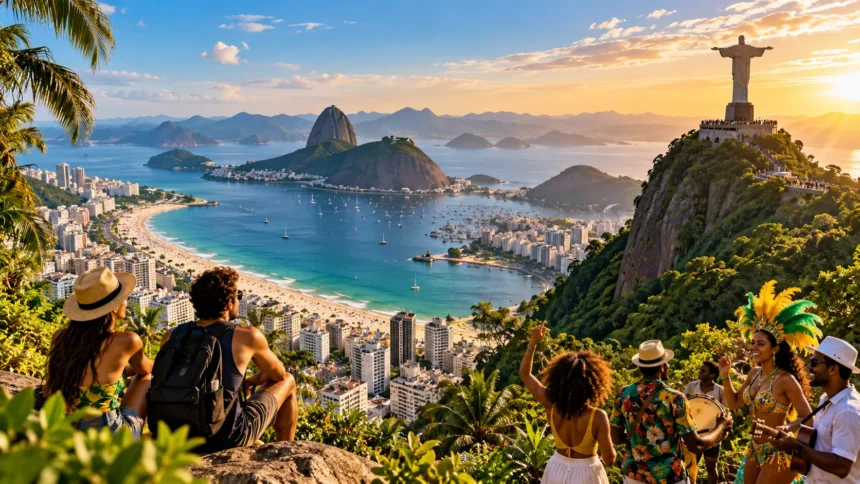
Brazil is one of South America’s most exciting travel destinations, offering breathtaking natural landscapes, vibrant cities, beautiful beaches, and unforgettable cultural experiences. From the famous Christ the Redeemer statue in Rio de Janeiro to the powerful waterfalls of Iguaçu, the country features incredible attractions for every type of traveler. Exploring Brazil provides endless opportunities to discover nature, history, music, and traditional Brazilian hospitality.
Whether you enjoy relaxing on tropical beaches, exploring rainforests, or experiencing colorful festivals, Brazil has something special to offer. The country’s enormous size and diverse regions make planning your trip an important part of enjoying your vacation. This Brazil travel guide covers the best attractions, exciting activities, cultural experiences, and essential travel tips to help you create an unforgettable journey.
Explore the Famous Attractions of Rio de Janeiro
Rio de Janeiro is one of Brazil’s most recognizable cities, celebrated for its beautiful coastline, impressive mountains, and lively cultural atmosphere. One of its most famous attractions is Christ the Redeemer, the enormous statue standing above the city on Corcovado Mountain. Visitors can reach the monument through organized transportation and enjoy breathtaking panoramic views of Rio’s surrounding landscapes.
Another unforgettable attraction is Sugarloaf Mountain, which offers spectacular views of Guanabara Bay and the Atlantic coastline. Travelers can take cable cars to elevated viewpoints overlooking beaches, mountains, and colorful neighborhoods. Visiting during clear weather provides excellent photography opportunities, while the scenery becomes particularly impressive during the late afternoon as sunlight illuminates the surrounding city.
Beyond these famous landmarks, Rio offers beautiful botanical gardens, cultural museums, and fascinating historic neighborhoods. Visitors can explore Santa Teresa, discover local artwork, or experience traditional Brazilian music in established cultural venues. Spending several days in Rio allows travelers to appreciate its natural beauty while discovering the creativity and energy that make the city special.
Relax on Brazil’s Most Beautiful Beaches
Brazil is famous for its extensive Atlantic coastline, featuring tropical beaches, coastal towns, and spectacular ocean scenery. Copacabana and Ipanema in Rio de Janeiro are among the country’s best-known beaches, attracting visitors with golden sand and beautiful coastal views. Travelers can enjoy relaxing walks, beachfront restaurants, and opportunities to experience everyday Brazilian beach culture.
For travelers seeking quieter coastal destinations, Florianópolis offers numerous beaches surrounded by hills and natural landscapes. The island destination is popular for its diverse scenery, charming neighborhoods, and outdoor activities. Visitors can explore different beaches, enjoy scenic coastal viewpoints, and discover local restaurants serving traditional seafood dishes and other regional specialties.
Other remarkable beach destinations include Praia do Forte, Porto de Galinhas, and Fernando de Noronha. These locations offer different experiences, from relaxing seaside vacations to exploring protected marine environments. Before choosing a destination, consider seasonal weather, transportation arrangements, conservation rules, and the type of coastal experience you would enjoy most.
Experience the Incredible Beauty of Iguaçu Falls
Iguaçu Falls is one of South America’s most impressive natural attractions, located along the border between Brazil and Argentina. The enormous waterfall system features numerous cascades surrounded by lush subtropical forest. Visitors can experience breathtaking scenery while exploring designated viewpoints and walking trails that provide remarkable perspectives of the powerful waterfalls and their natural surroundings.
The Brazilian side of Iguaçu Falls is particularly famous for its panoramic viewpoints. Visitors can follow established paths through the national park and admire the spectacular waterfall formations from different observation areas. The surrounding rainforest also provides opportunities to observe native plants, colorful birds, and other wildlife while enjoying one of Brazil’s most memorable natural experiences.
Travelers should plan their visit according to weather conditions, park opening hours, and available transportation. Comfortable walking shoes, suitable clothing, and protection for personal belongings are useful because waterfall spray can reach certain observation areas. Staying near Foz do Iguaçu makes it easier to explore the attraction and discover additional local sightseeing opportunities.
Discover the Amazon Rainforest and Its Wildlife
The Amazon Rainforest is one of Brazil’s most extraordinary natural environments, known for its remarkable biodiversity and extensive river systems. Much of the Brazilian Amazon consists of dense tropical forest, wetlands, and interconnected waterways. Visitors interested in nature can explore selected areas through responsible, professionally organized excursions that emphasize environmental protection and respect for local communities.
Manaus is an important gateway for travelers planning Amazon rainforest experiences. From this city, visitors can arrange suitable guided activities focused on wildlife observation, river scenery, and rainforest ecosystems. One popular attraction is the Meeting of the Waters, where the differently colored Rio Negro and Solimões rivers flow alongside each other before gradually mixing.
Exploring the Amazon requires careful preparation because conditions can be hot, humid, and unpredictable. Choosing reputable tour operators, following local safety guidance, and carrying appropriate clothing can improve the experience. Travelers should also respect wildlife habitats, avoid disturbing animals, and support responsible tourism practices that help protect this globally important ecosystem.
Visit São Paulo for Art, Culture, and City Life
São Paulo is Brazil’s largest city and an important destination for travelers interested in culture, architecture, shopping, and international cuisine. The city features modern skyscrapers, historic buildings, fascinating museums, and lively neighborhoods. Visitors can explore Paulista Avenue, discover cultural institutions, and experience the dynamic atmosphere of one of South America’s leading metropolitan centers.
Art enthusiasts should consider visiting the São Paulo Museum of Art, widely known as MASP, which houses important artistic collections. Ibirapuera Park is another popular attraction, offering green spaces, walking paths, and cultural facilities. These destinations provide opportunities to experience São Paulo’s combination of modern creativity, public recreation, and artistic heritage.
São Paulo also offers an impressive variety of dining experiences influenced by Brazil’s diverse communities. Visitors can sample traditional Brazilian meals alongside international dishes in established restaurants and food markets. Exploring different neighborhoods, attending cultural events, and visiting local museums can help travelers better understand the city’s remarkable diversity and contemporary Brazilian lifestyle.
Explore Salvador’s History and Afro-Brazilian Culture
Salvador, located in the northeastern state of Bahia, is one of Brazil’s most culturally significant destinations. The city is especially known for its Afro-Brazilian heritage, colorful colonial architecture, and traditional music. Visitors can explore historic neighborhoods, admire decorated churches, and discover cultural traditions that reflect centuries of African influence on Brazilian society.
Pelourinho, Salvador’s famous historic district, features cobblestone streets, brightly painted buildings, and impressive architectural landmarks. Travelers can explore museums, visit cultural centers, and observe local artistic traditions throughout the neighborhood. Its distinctive atmosphere makes Salvador particularly appealing to visitors interested in photography, historical sightseeing, and learning about Brazil’s diverse cultural identity.
Food is another important part of Salvador’s cultural experience, with traditional Bahian cuisine featuring distinctive ingredients and cooking techniques. Popular regional dishes include moqueca and acarajé, both associated with the area’s culinary heritage. Visitors can also experience traditional music and dance performances in appropriate cultural settings, making Salvador a rewarding destination for discovering Brazilian traditions.
Discover Brazil’s Natural Wonders in the Pantanal
The Pantanal is one of the world’s largest tropical wetland regions and among Brazil’s most remarkable destinations for wildlife enthusiasts. Its seasonal wetlands, rivers, grasslands, and forests support diverse animal and plant species. Travelers interested in nature photography and wildlife observation can experience a completely different environment from Brazil’s coastal cities and rainforest destinations.
The Pantanal is particularly famous for its rich birdlife and opportunities to observe animals in their natural habitats. Depending on the region and season, visitors may encounter capybaras, caimans, colorful birds, and other native wildlife. Responsible guided tours help travelers understand the ecosystem while maintaining appropriate distances and avoiding unnecessary disturbance to animals.
Wildlife viewing opportunities change throughout the year as water levels rise and fall across the wetlands. The drier months often make certain observation activities easier, although conditions vary between northern and southern areas. Choosing experienced local guides and suitable accommodation can improve comfort while supporting responsible tourism and conservation efforts in this sensitive natural environment.
Visit Brazil’s Charming Colonial Towns
Brazil’s historic colonial towns provide fascinating opportunities to explore architecture, traditional streets, and important cultural landmarks. Ouro Preto, located in Minas Gerais, is particularly famous for its preserved colonial buildings and elaborate churches. Visitors can walk through historic neighborhoods, admire architectural details, and learn about the region’s important role in Brazil’s colonial history.
Paraty is another beautiful destination known for its historic center, picturesque coastal setting, and traditional buildings. Located between Rio de Janeiro and São Paulo, the town combines cultural attractions with nearby natural scenery. Travelers can explore cobblestone streets, visit local art galleries, and discover restaurants serving regional dishes in charming historical surroundings.
Olinda, near Recife, is also worth visiting for travelers interested in colorful architecture and Brazilian cultural traditions. The historic town features hillside streets, colonial churches, and scenic viewpoints overlooking nearby coastal areas. Exploring these destinations allows visitors to experience a different side of Brazil while appreciating the country’s architectural heritage and regional identities.
Experience Brazilian Festivals, Music, and Traditions
Brazilian festivals are internationally recognized for their colorful celebrations, energetic music, and strong cultural significance. Carnival is among the country’s most famous events, taking place in different forms across cities and regions. Rio de Janeiro is particularly known for its samba parades, while Salvador and Recife offer distinctive celebrations reflecting their own musical and cultural traditions.
Music plays an essential role in Brazilian culture, with samba, bossa nova, forró, and other regional styles contributing to the country’s artistic identity. Travelers can experience performances at theaters, cultural centers, and organized festivals. Exploring local music traditions provides a deeper understanding of Brazilian communities while introducing visitors to the country’s rich creative heritage.
Brazil also celebrates numerous regional festivals throughout the year, including Festa Junina events that feature traditional clothing, food, music, and community activities. These celebrations can create memorable opportunities for cultural discovery. However, major festivals often increase accommodation demand and transportation costs, making early reservations and careful travel planning especially important.
Enjoy Traditional Brazilian Food and Local Cuisine
Brazilian cuisine reflects the country’s diverse cultural influences, regional ingredients, and longstanding cooking traditions. One of the most recognizable dishes is feijoada, a hearty bean preparation commonly served with rice and traditional accompaniments. Other popular foods include pão de queijo, farofa, and different grilled specialties, offering visitors many opportunities to explore local flavors.
Regional cuisine varies significantly between different parts of Brazil, making food exploration an important travel experience. Northeastern Brazil is known for distinctive seafood dishes and preparations influenced by African culinary traditions. In the southern regions, travelers can discover barbecue traditions, while Amazonian cuisine features locally available ingredients and regional freshwater fish specialties.
Visitors should also try traditional Brazilian snacks and desserts, including brigadeiro, a popular chocolate sweet. Fresh tropical fruits and juices are widely available in many markets and restaurants. Choosing reputable dining establishments, practicing good food hygiene, and asking about unfamiliar ingredients can help travelers enjoy Brazil’s culinary diversity comfortably and confidently.
Discover Adventure and Outdoor Activities in Brazil
Brazil offers incredible outdoor experiences for travelers who enjoy exploring natural landscapes and spending time in scenic environments. National parks, coastal trails, waterfalls, and mountain regions provide numerous opportunities for guided nature walks and photography. Choosing activities that match your experience, fitness, and comfort level helps make outdoor exploration enjoyable and manageable.
Chapada Diamantina National Park in Bahia is known for its dramatic mountains, valleys, caves, and beautiful waterfalls. Visitors can explore designated trails with suitable preparation and experienced local guides when necessary. The region’s unique geological formations and natural viewpoints make it especially attractive for landscape photography and travelers interested in Brazil’s mountainous scenery.
Bonito, in Mato Grosso do Sul, is another popular destination for nature-based tourism. The area is known for clear freshwater environments, protected ecosystems, and carefully managed visitor experiences. Many attractions operate with organized tours and conservation requirements, so researching approved activities and following environmental guidelines are important parts of planning a responsible visit.
Best Time to Visit Brazil for Different Experiences
The best time to visit Brazil depends on which regions you plan to explore and the activities you want to enjoy. Because the country covers an enormous geographical area, weather conditions vary significantly between destinations. Travelers visiting Rio de Janeiro or other southeastern coastal areas should consider seasonal rainfall, humidity, temperatures, and local event schedules.
Brazil’s summer generally extends from December through February, bringing warm conditions to many popular coastal destinations. This period attracts visitors interested in beaches, outdoor recreation, and seasonal celebrations. However, some regions experience frequent rainfall, and major holiday periods can increase accommodation prices and tourist crowds at popular attractions.
For Amazon rainforest and Pantanal experiences, seasonal water levels can significantly influence transportation and wildlife observation opportunities. Other natural attractions, including waterfalls and mountain regions, also experience changes throughout the year. Researching destination-specific climate patterns helps travelers choose suitable dates rather than assuming that one season is ideal for the entire country.
Essential Travel Tips for Visiting Brazil
Preparing important documents is one of the first steps when planning a Brazil vacation. Depending on nationality, travelers may require a visa or electronic visa before entering the country. Check current passport validity rules, permitted visit duration, and immigration requirements through official authorities before booking flights or arranging accommodation.
Brazil is a large country, making domestic flights useful when traveling between distant destinations. Major cities also offer transportation options such as buses, taxis, and urban rail systems where available. Portuguese is Brazil’s official language, so learning common greetings and downloading an offline translation tool can make everyday interactions considerably easier.
Travel safety should remain a priority, particularly in unfamiliar urban neighborhoods and crowded tourist locations. Protect valuables, use reputable transportation, review current regional travel advisories, and avoid displaying expensive belongings unnecessarily. Consulting a healthcare professional about recommended vaccinations, mosquito protection, and travel insurance can also help you prepare for a safer journey.
How to Plan a Memorable Brazil Travel Itinerary
Creating a realistic Brazil travel itinerary is important because the country’s most famous attractions are often separated by considerable distances. Attempting to explore too many regions during a short vacation can result in excessive transportation time. Focusing on selected destinations allows visitors to enjoy sightseeing, cultural experiences, and relaxation without feeling constantly rushed.
For a seven-day vacation, travelers might focus on Rio de Janeiro and one additional destination, depending on available flights and personal interests. A ten-to-fourteen-day itinerary could include Rio, Iguaçu Falls, and another cultural or coastal destination. Longer journeys provide additional opportunities to explore the Amazon, Pantanal, or northeastern Brazil’s remarkable attractions.
When organizing your trip, consider transportation connections, seasonal conditions, attraction opening hours, and accommodation availability. Booking essential activities in advance can be useful for popular parks, guided excursions, and busy holiday periods. Maintaining some flexibility in your itinerary allows you to enjoy unexpected discoveries while managing changing weather or transportation schedules.
Conclusion
Brazil is an extraordinary destination filled with beautiful natural attractions, fascinating cultural experiences, and exciting opportunities for exploration. From the famous landmarks of Rio de Janeiro to the powerful waterfalls of Iguaçu and the remarkable Amazon Rainforest, the country offers something memorable for every traveler. Its diverse landscapes and welcoming cultural traditions make Brazil an appealing destination for international vacations.
Exploring Brazil becomes more rewarding when travelers prepare carefully and choose destinations that match their interests. Whether you prefer tropical beaches, historical towns, wildlife observation, or vibrant city experiences, thoughtful planning helps you enjoy each location comfortably. Understanding transportation options, regional weather, travel requirements, and safety precautions can also make your journey smoother.
A successful Brazil vacation is about experiencing the country’s remarkable diversity while allowing enough time to appreciate its individual destinations. Explore famous attractions, discover local cuisine, experience cultural traditions, and enjoy the beauty of its natural environments. With a balanced itinerary and practical preparation, traveling through Brazil can become an unforgettable adventure filled with lasting memories.
Frequently Asked Questions (FAQs)
What are the best things to do in Brazil for first-time visitors?
First-time visitors can explore Rio de Janeiro, admire Iguaçu Falls, relax on beautiful beaches, and experience traditional Brazilian cuisine. Cultural attractions, historic towns, and guided nature excursions also provide memorable travel experiences.
How many days are enough to explore Brazil?
Ten to fourteen days is a useful starting point for exploring several major Brazilian attractions. Travelers hoping to visit distant regions such as the Amazon, Pantanal, and northeastern coast should consider a longer vacation.
What is the most famous tourist attraction in Brazil?
Christ the Redeemer in Rio de Janeiro is among Brazil’s most famous landmarks. The statue stands on Corcovado Mountain and attracts visitors interested in impressive architecture, cultural significance, and panoramic city views.
Is Brazil expensive for international tourists?
Travel expenses vary depending on destinations, accommodation, transportation, and selected activities. Budget-friendly restaurants and guesthouses can reduce costs, while domestic flights, luxury hotels, and organized excursions may increase overall spending.
What is the best month to visit Brazil?
September through November can offer favorable conditions for exploring several Brazilian destinations, although regional climates differ considerably. The ideal travel month depends on whether you prefer beaches, waterfalls, wildlife observation, or cultural festivals.