

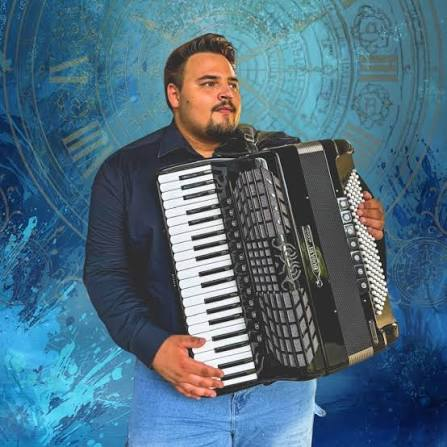
Music can be a deeply personal form of expression, but some of its most interesting moments happen when musicians work together. Every performer brings a different interpretation, technique, and musical personality to an ensemble. For accordionist Michael Ziegler, collaborative performance has become an important part of his musical journey, offering opportunities to explore the instrument beyond the boundaries of a solo stage.
Known professionally as Ziggi Accordion, Ziegler combines individual creativity with experience in chamber music and ensemble performance. His work with the German accordion ensemble Musica in Fiore has brought international recognition, while his wider activities demonstrate how collaboration can contribute to the development of a contemporary musician.
The Collaborative Side of Michael Ziegler
Michael Ziegler is a German accordionist whose musical activities include live performances, original compositions, and ensemble work. While his solo identity focuses on presenting the accordion in a modern setting, his work with other musicians reveals a different side of his artistic development.
Playing alone gives a performer considerable freedom over rhythm, interpretation, and pacing. Ensemble music requires a different set of skills. Musicians must listen closely, coordinate their timing, balance their individual parts, and respond to what their colleagues are playing.
These demands make collaborative performance an important part of musical development. They also create an opportunity for an instrument like the accordion to contribute to a larger musical arrangement rather than carrying the entire performance by itself.
Musica in Fiore and Ensemble Performance
One of the most significant parts of Ziegler’s ensemble career is his connection with Musica in Fiore, a German accordion ensemble.
The group includes accordionists Michael Ziegler, Juliana Kraus, Nils Aebersold, and Karla Gvozden-Rizvic. Its performances place the accordion within a chamber-music setting, where every player contributes to the overall musical interpretation.
This type of arrangement requires more than technical ability. Each musician must understand how their part fits into the broader composition. A melody needs room to develop, supporting harmonies must remain balanced, and rhythmic details need to align with the other performers.
For audiences, these elements can create a fuller musical experience. For the musicians, they provide a chance to develop their skills through shared rehearsal and performance.
A Notable Achievement in Prague
Musica in Fiore achieved an important milestone at the International Accordion Festival in Prague, held from October 24 to 27, 2024.
According to the German Accordion Association, the ensemble won first prize in the chamber-music category, receiving 24.63 points out of a possible 25. The group performed under the guidance of instructor Andreas Nebl, and guest percussionist Arman Rizvic also participated in the project.
The result demonstrated the ensemble’s ability to bring its members together in a competitive musical setting. Achievements of this kind require careful preparation, coordination, and a shared understanding of the selected repertoire.
For Ziegler, participating in an award-winning ensemble provided experience that complements his individual work as a performer. It also placed his collaborative activities within a wider international accordion community. <|cite|turn629677view0|>
International Recognition in 2025
Musica in Fiore continued its international competition experience in 2025.
The Confédération Internationale des Accordéonistes lists the group among the prize winners in the classical-music category of the International Competition for Chamber Ensemble Music held in East Sarajevo. The ensemble placed third, with Ziegler performing alongside Juliana Kraus, Karla Gvozden-Rizvic, and Nils Aebersold.
The competition brought together ensembles from different countries and provided a setting in which musicians could present their interpretations of classical repertoire. For a performing musician, participating in such an event offers valuable experience beyond the result itself.
International competitions encourage performers to prepare carefully, interpret demanding compositions, and present their work before an unfamiliar audience and professional adjudicators.
The 2024 and 2025 results together show that Musica in Fiore has participated successfully in more than one international competitive setting. <|cite|turn629677view1|>
Why Chamber Music Demands a Different Approach
Chamber music often places considerable responsibility on each performer. Unlike a large orchestra, where sections may contain several musicians playing similar parts, a small ensemble gives individual contributions greater visibility.
This creates a balance between independence and cooperation. Musicians must understand their own parts while remaining aware of the complete musical structure.
Accordion ensembles have particular opportunities in this regard because the instrument can provide melody, harmony, bass, and rhythmic support. When several accordionists perform together, these roles can be distributed in different ways to create a layered sound.
The challenge is to ensure that the individual parts complement one another instead of competing for attention. This is where careful rehearsal and musical communication become essential.
Developing Through Rehearsal and Performance
Competition results offer visible evidence of achievement, but much of an ensemble’s development happens away from the stage.
Rehearsals require musicians to identify problems, refine difficult passages, adjust dynamics, and agree on interpretations. Even small changes in tempo or articulation can influence how a composition feels to the audience.
Working with other performers also encourages musicians to consider alternative interpretations. One player may notice a detail that another has overlooked, while a different musical perspective can lead the group toward a more effective arrangement.
For an accordionist, these experiences can strengthen both technical skills and musical awareness. They can also influence how the performer approaches solo work.
The Accordion Beyond a Traditional Role
The accordion is associated with a wide variety of musical traditions, but its potential extends into many forms of contemporary performance.
In ensemble settings, it can contribute to classical arrangements while remaining adaptable to different musical styles. Its ability to produce sustained tones, chordal accompaniment, and rhythmic patterns makes it particularly versatile.
Ziegler’s work across collaborative and individual projects reflects this flexibility. His solo identity as Ziggi Accordion explores modern musical possibilities, while his ensemble experience places the instrument within a shared performance environment.
These two settings offer different creative challenges. Solo playing emphasizes individual interpretation, whereas ensemble performance depends on cooperation and musical balance.
Together, they demonstrate how one instrument can support several approaches to making music.
Connecting Individual Creativity With Teamwork
The relationship between solo and ensemble performance is valuable because the skills involved can complement each other.
A performer who develops a personal musical voice can bring distinctive ideas to a group. At the same time, working with other musicians can improve listening, timing, and sensitivity to different interpretations.
For audiences, this combination can make a musician’s work more varied. A solo performance provides a direct connection with the artist, while ensemble music creates a richer conversation between performers.
Ziegler’s participation in Musica in Fiore provides a documented example of how these two sides of musical life can exist within one career.
What Makes Michael Ziegler’s Musical Journey Interesting?
Ziegler’s career is not limited to one performance format. His activities include contemporary solo work as Ziggi Accordion as well as participation in an ensemble that has received recognition at international accordion competitions.
This combination is interesting because it demonstrates the different directions available to a trained accordionist. A musician can develop original material independently while also learning through shared repertoire and group performance.
His ensemble achievements also provide concrete milestones through which audiences can explore his work. Rather than relying only on descriptions of his musical style, readers can look at documented competition results and the organizations that recorded them.
Final Thoughts
Michael Ziegler’s musical journey illustrates the importance of collaboration in a performer’s development. Through Musica in Fiore, he has taken part in ensemble work that requires precision, communication, and a shared artistic direction.
The group’s first-place result at the 2024 International Accordion Festival in Prague and its third-place finish in the 2025 classical chamber-ensemble competition in East Sarajevo are documented milestones in that collaborative journey. <|cite|turn629677view0|turn629677view1|>
His individual work as Ziggi Accordion provides another perspective on his career, but ensemble performance highlights an equally important principle: music can become more expressive when different performers contribute their skills to a common goal.
For listeners discovering Michael Ziegler, this collaborative side offers a useful starting point for understanding the range of his musical experience and the continuing role of the accordion in modern performance.