
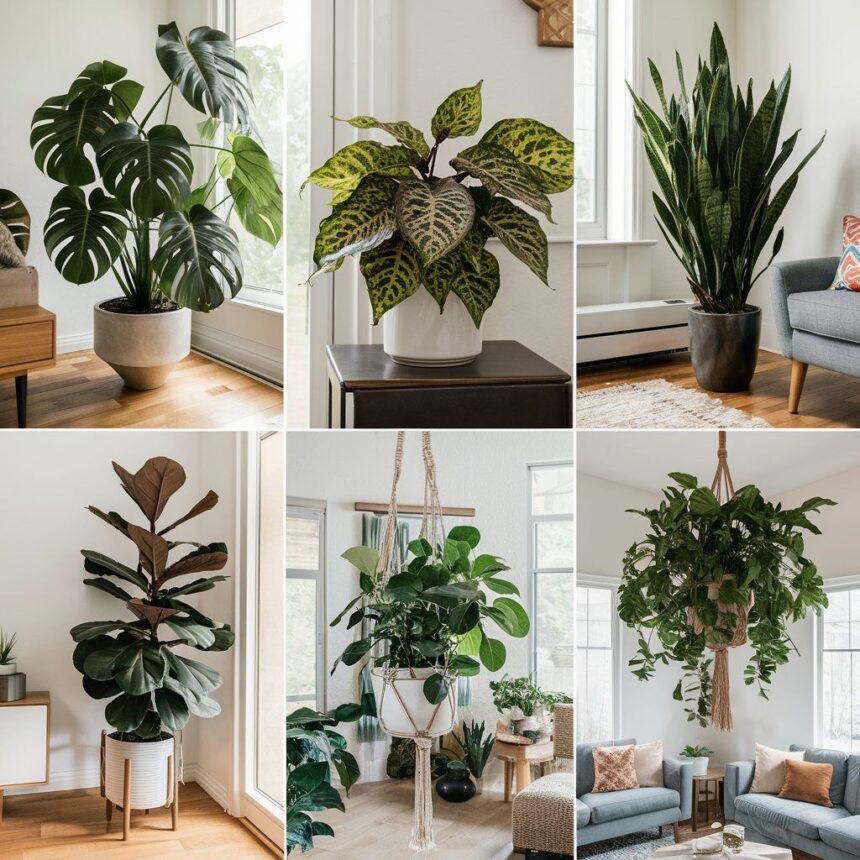
Indoor plants have emerged as a vital aspect of contemporary home decor, offering numerous advantages that go beyond mere aesthetics. Incorporating plants into living spaces can significantly enhance both the visual appeal and the emotional atmosphere of a home. One of the primary benefits of having indoor plants is their ability to improve air quality. Plants naturally purify the air by absorbing carbon dioxide and releasing oxygen, which contributes to a healthier indoor environment. Certain varieties are known to filter toxins and pollutants, making them essential companions for modern living.
Beyond their functional benefits, indoor plants play a crucial role in mental well-being. Studies have shown that nurturing and tending to plants can reduce stress and promote feelings of tranquility and relaxation. The act of caring for a plant fosters a sense of responsibility and satisfaction, which can lead to improved mood and reduced anxiety levels. Additionally, the presence of greenery and natural elements has been linked to increased productivity and creativity, making them particularly beneficial for home offices and study areas.
Furthermore, indoor plants create a welcoming environment, inviting nature into our homes. They can soften austere spaces, add color, and create focal points that draw the eye. From minimalistic setups to lush jungles, indoor plants offer versatility in design, adapting to various decor styles and preferences. Be it a small succulent on a windowsill or a large fern in the corner of a room, these plants transform spaces, enhancing both their functionality and beauty.
Choosing the Right Indoor Plants for Your Space
Selecting the appropriate indoor plants for your home can significantly enhance your living environment. One of the first considerations should be the lighting conditions in your space, as different plants have varying light requirements. For instance, low-light plants such as snake plants and ZZ plants are ideal for darker corners of the house. Conversely, succulents and cacti thrive in bright, direct sunlight, making them a perfect choice for sunlit windowsills.
Additionally, the size of your space plays a crucial role in plant selection. Larger plants, such as fiddle leaf figs or monstera deliciosa, can serve as statement pieces in spacious rooms, while smaller varieties like pothos or spider plants can flourish on shelves or desks without overwhelming the area. Plant enthusiasts should also consider the plant’s growth habits; some species can swiftly outgrow their designated areas and may require frequent repotting or relocation.
Climate is another essential factor when choosing indoor plants. Understanding your home’s humidity and temperature can guide your selections effectively. Tropical plants such as philodendrons prefer humid environments, making bathrooms or kitchens ideal spots for them. Conversely, plants like jade plants are more tolerant of dry conditions.
Ultimately, understanding a plant’s specific needs and preferences is crucial in ensuring its health and longevity. By carefully considering lighting, space, and climate, you can select indoor plants that not only thrive in your home but also contribute positively to its aesthetic. This knowledge will lead to a fulfilling gardening experience, where your plants will flourish and enhance your living space beautifully.
Top 10 Indoor Plants That Brighten Your Home
Choosing the right indoor plants can significantly enhance the brightness of your home. Here is a list of ten plants renowned for their ability to bring light and life into any space.
1. Snake Plant (Sansevieria) – This resilient plant features tall, upright leaves that are often variegated with shades of green and yellow. The Snake Plant thrives in low-light conditions, making it an ideal choice for darker corners. Its air-purifying qualities also promote a healthier indoor atmosphere.
2. Peace Lily (Spathiphyllum) – Known for its elegant white blooms, the Peace Lily is not only aesthetically pleasing but also easy to care for. It prefers shade and regular moisture, flourishing in low-light areas while filtering common toxins from the air.
3. Pothos (Epipremnum aureum) – This versatile vine is famous for its heart-shaped leaves, which can be variegated in a mix of greens and yellows. Pothos can adapt to a variety of lighting conditions, making it perfect for draping down shelves and lightening up your interiors.
4. Spider Plant (Chlorophytum comosum) – The Spider Plant is recognizable by its arching leaves and little “pups” that dangle from the mother plant. It thrives in bright, indirect sunlight and helps to purify the air as well, thus adding to its appeal.
5. Rubber Plant (Ficus elastica) – With its large, glossy leaves, the Rubber Plant makes a bold statement in any room. It prefers moderate to bright indirect light and is known for its ability to improve indoor air quality.
6. ZZ Plant (Zamioculcas zamiifolia) – The ZZ Plant is praised for its glossy foliage and low maintenance needs. It can tolerate neglect and thrives in low light, bringing a lush aesthetic to your home.
7. Boston Fern (Nephrolepis exaltata) – This fanned fronds plant adds a touch of elegance to any space. Boston Ferns require a bit more humidity and indirect light but reward you with their vibrant greenery.
8. Dracaena (Dracaena spp.) – With a variety of species, Dracaenas can provide colorful foliage that stands out. They are adaptable to various light conditions and can help enliven a room.
9. African Violet (Saintpaulia) – This flowering plant is beloved for its bright, colorful blooms. African Violets do well in bright yet indirect light, and their flowers can add joy and brightness to any space.
10. Areca Palm (Dypsis lutescens) – Known as the butterfly palm, it has feathery fronds that can enhance any room’s brightness and tropical feel. The Areca Palm thrives in bright, indirect light and adds a refreshing ambiance to any environment.
Each of these indoor plants can effortlessly brighten your home, enhancing not only the visual appeal but also contributing positively to indoor air quality. By selecting the right plants for your space, you will create a more vibrant and inviting atmosphere.
Care Tips for Maintaining Indoor Plants
Indoor plants can significantly enhance the aesthetic appeal of your home while also contributing to improved air quality. To ensure these plants remain healthy and vibrant, it is essential to adhere to specific care tips that address their unique needs.
One of the most crucial aspects of indoor plant care is establishing a proper watering schedule. It is vital to determine the individual water requirements of each plant species, as overwatering or underwatering can lead to root rot and other health issues. A general recommendation is to check the top inch of soil; if it feels dry to the touch, it may be time to water your plant. However, different species have varying tolerances and needs regarding humidity and moisture, so it’s important to adjust the schedule accordingly.
Light requirements also play a significant role in the health of indoor plants. While some plants thrive in bright, direct sunlight, others prefer low light conditions. Assess the lighting conditions in your home and select plants that will flourish in those environments. For instance, succulents generally benefit from ample natural light, while ferns do well in shadier spots. If natural light is limited, consider using grow lights to supplement the light your indoor plants require.
Soil selection is another key factor in indoor plant maintenance. High-quality potting soil that provides proper drainage and aeration can dramatically impact plant health. Additionally, incorporating organic matter can enhance the nutrient profile of the soil, benefiting plant growth over time. Regularly checking the soil for compaction ensures the roots can access oxygen and water effectively.
Lastly, pest management is essential for keeping indoor plants thriving. Regularly inspecting your plants for common pests such as aphids, spider mites, or fungus gnats allows you to take action before infestations become severe. Using a mixture of natural pest deterrents or insecticidal soap can help manage these issues without harming your plants.
Creative Ways to Decorate with Indoor Plants
Incorporating indoor plants into your home decor can dramatically enhance the aesthetic appeal and atmosphere of any room. To effectively showcase these natural treasures, one innovative approach is to group plants of varying heights and textures together, creating a mini indoor garden. This can be achieved by using different-sized pots to establish layers and visual interest. For instance, placing a tall fiddle leaf fig next to smaller succulents in terracotta pots can create a striking focal point.
Utilizing plant stands is another creative way to display your indoor plants while optimizing space. These stands come in various styles, allowing you to select one that complements your existing decor. By elevating certain plants, you can introduce varying heights within the room, drawing the eye upward and thus making the space feel larger and more dynamic.
Moreover, vertical gardens offer a unique solution for plant enthusiasts with limited floor space. By mounting wall planters or using trellises, you can create lush vertical gardens in living rooms, kitchens, or even bathrooms. This not only enhances the decor but also adds a natural element to the walls, making the environment more inviting and lively.
Terrariums are yet another creative way to incorporate indoor plants. These glass-enclosed gardens provide an opportunity to cultivate small plants while serving as stylish decor pieces. Positioning these terrariums on shelves or coffee tables can infuse the surroundings with greenery without requiring much maintenance.
Lastly, integrating plants that complement your existing decor style can create a cohesive look. For example, a bohemian-style room might thrive with an assortment of hanging plants, while a minimalist space could benefit from a single, well-placed succulent or cactus. By thoughtfully considering the arrangement and type of plants, you can seamlessly enhance your home with the beauty of nature.
The Psychological Effects of Having Plants Indoors
In recent years, the psychological benefits of incorporating indoor plants into living and working environments have gained increasing attention. Numerous studies indicate that having plants indoors can significantly improve mental health and overall well-being. The presence of greenery has been shown to reduce stress, enhance mood, and foster a sense of calm and relaxation.
Research published in the Journal of Physiological Anthropology highlights that exposure to plants can lower levels of cortisol, a hormone associated with stress. Participants in studies who interacted with plants reported reduced feelings of anxiety and increased feelings of tranquility. The simple act of caring for a plant, whether it’s watering or pruning, can create a sense of responsibility and purpose, which further alleviates stress.
Additionally, indoor plants contribute to improved productivity and concentration. A study conducted by the University of Exeter found that employees who worked in environments filled with plants were 15% more productive than those in sterile settings. The presence of plants can enhance creativity and focus, making them an ideal addition to home offices and study areas.
Beyond productivity, indoor plants can also enhance overall life satisfaction. Biophilia, the innate human affinity for nature, suggests that our well-being is deeply connected to our interaction with the natural world. Thus, bringing plants indoors not only provides aesthetic value but also fosters an environment conducive to emotional and psychological health.
With the multitude of benefits derived from having indoor plants, investing in greenery for your home is not merely a stylistic choice; rather, it is a vital step towards nurturing mental well-being and creating a healthier living space.
Cost-Effective Indoor Plants for Every Budget
Choosing indoor plants that enhance your living space’s aesthetic does not have to be an expensive endeavor. There are various cost-effective options available that will not only brighten your home but also thrive with minimal maintenance. Indoor plants are a popular choice for adding color and life to interiors, providing both visual and psychological benefits.
When aiming to cultivate a vibrant indoor garden, consider starting with hardy plants such as the snake plant or pothos. These varieties are well-known for their resilience and adaptability. Snake plants are particularly low-maintenance, requiring minimal watering and indirect sunlight, and can often be purchased for under $20 at local nurseries or garden centers. Similarly, pothos plants, with their trailing vines, are both affordable and effective in improving air quality, making them a popular choice for budget-conscious plant lovers.
For those seeking a balance between affordability and aesthetic appeal, peace lilies and spider plants represent excellent options. Peace lilies typically cost between $15 to $30 and, apart from their striking white blooms, they also indicate when they need water, displaying droopy leaves as a sign. Meanwhile, spider plants, known for their arching leaves and baby offshoots, can often be found for under $15 at various retail outlets and online stores.
To maximize savings, consider propagating your plants. Many indoor plants, such as pothos and spider plants, can be easily rooted from cuttings, allowing you to expand your collection without incurring additional costs. Furthermore, local plant swaps or community gardening groups provide opportunities to exchange plants and share insightful tips, ultimately facilitating a thriving indoor garden at little to no cost.
Overcoming Common Challenges in Indoor Plant Care
Caring for indoor plants can be a rewarding experience, yet it often comes with its own set of challenges. Many plant enthusiasts encounter common issues such as overwatering, insufficient light, and pest infestations. Understanding these challenges is crucial for ensuring the health and vibrancy of your indoor plants.
Overwatering is perhaps the most widespread issue that plant owners face. Plants require a delicate balance of moisture, and excessive watering can lead to root rot. To prevent this, it is advisable to check the soil moisture before watering. A simple test involves sticking your finger into the soil about an inch deep; if it feels moist, it is best to hold off on watering. Furthermore, choosing pots with drainage holes provides an essential means for excess water to escape, reducing the risk of overwatering.
Another common obstacle is insufficient light. Many indoor plants have specific light requirements, and failing to meet these can inhibit their growth. Identifying the light levels in your home is critical. For plants that thrive in bright, indirect light, positioning them near windows but avoiding direct sunlight can help. Moreover, using artificial grow lights can supplement natural light, especially during short winter days.
Pest infestations can also plague indoor plants, leading to not only aesthetic issues but health problems for the plant. Common pests include spider mites, aphids, and mealybugs. Routine checks for signs of pests can be beneficial in early detection. If pests are found, removing them can often be as simple as wiping the leaves with a damp cloth or using insecticidal soap as a targeted treatment. Maintaining proper cleanliness in your plant care routine can help prevent infestations.
By understanding these common challenges and implementing the suggested preventive measures and solutions, you can create an environment that fosters healthy growth and happiness for your indoor plants.
Conclusion: Embracing Indoor Plants for a Brighter Home
Throughout this discussion, we have explored the myriad benefits of incorporating indoor plants into our living spaces. These natural elements not only enhance the aesthetic appeal of a home but also contribute significantly to overall well-being. The presence of greenery can transform an ordinary room into a vibrant sanctuary, fostering a sense of tranquility and improving air quality.
By selecting suitable indoor plants that flourish in various lighting conditions and fit into diverse interior styles, homeowners can create a personalized environment that reflects their taste and lifestyle. From easy-to-care-for succulents to lush ferns, the options available cater to both novice plant enthusiasts and seasoned green thumbs alike.
Furthermore, the therapeutic effects of tending to indoor plants can alleviate stress, enhance creativity, and promote a sense of responsibility. The act of nurturing plants often leads to a deeper connection with nature, which is particularly valuable in urban environments where greenery might be scarce. In addition to beautifying homes, indoor plants can inspire a healthier lifestyle by encouraging regular care routines and providing a focal point for mindfulness practice.
Incorporating indoor plants into your living space is a simple yet effective way to enrich your environment. Whether you choose to adorn your window sills, shelves, or coffee tables with vibrant flora, the positive impacts on mood and ambiance are undeniable. Therefore, it is highly recommended to embrace indoor plants as a key component of home decor. Start your journey today, and discover how these remarkable organisms can instantly brighten your home and enhance your living experience.