
Understanding the Importance of Lighting in Home Decor
Lighting plays a crucial role in the overall ambiance of any space, significantly influencing how a room feels and how its inhabitants behave. When considering home decor, one must acknowledge that lighting is not merely a functional element; it serves as an essential component in setting the mood and tone of a living space. Properly designed lighting solutions can enhance the aesthetic appeal of a home while also promoting a sense of comfort and warmth.
The psychological effects of lighting on mood cannot be overstated. For instance, warm light tones often create a sense of serenity and relaxation, making a room feel inviting and cozy. In contrast, harsh lighting can lead to feelings of discomfort or tension, contributing to a less hospitable environment. By thoughtfully selecting various lighting sources—such as ambient, task, and accent lighting—homeowners can manipulate how a space is perceived, encouraging either an energetic atmosphere or a tranquil retreat.
Moreover, the effectiveness of lighting in creating a welcoming environment extends beyond mere visibility. It can affect human behavior as well. Soft, diffused lighting has been shown to foster social interactions and enhance emotional well-being. In family rooms and dining areas, this type of lighting encourages bonding and relaxation, promoting quality time with loved ones. Conversely, strategically placed task lighting in workspaces or hobbies can improve focus and productivity.
Overall, understanding the importance of lighting in home decor is paramount. By recognizing its profound influence on mood and behavior, individuals can create spaces that not only look appealing but also feel inviting and comforting. With this thoughtful approach to lighting, one can transform any dwelling into a welcoming haven.
Types of Lighting: Ambient, Task, and Accent
Effective lighting is integral to making a home feel warm and inviting. There are three primary types of lighting to consider when developing a layered lighting scheme: ambient, task, and accent. Each serves its unique purpose and can significantly contribute to the overall atmosphere of a room.
Ambient lighting acts as the primary source of illumination in a space. It provides a soft, overall glow that fills the room and ensures that all corners are adequately lit. This type of lighting can be achieved through ceiling fixtures, wall sconces, or natural light sources such as windows. The aim of ambient lighting is to create a comfortable level of brightness without causing glare. Choosing warm color temperatures for ambient fixtures is advisable to promote a cozy environment.
Task lighting, on the other hand, is specifically designed to illuminate areas where tasks are performed. This includes spaces like kitchens, reading corners, or home offices. Task lighting is typically focused and brighter than ambient lighting, as it needs to aid in activities such as cooking, reading, or working. Examples include under-cabinet lighting in kitchens, desk lamps in offices, and bedside lamps for reading. Incorporating task lighting not only enhances functionality but can also serve to emphasize design elements in a room.
Lastly, accent lighting adds drama and depth to a space by drawing attention to particular features or artworks. This type of lighting creates layers and can make a room feel more dynamic. Using track lighting, spotlights, or decorative table lamps can all serve as effective forms of accent lighting. By highlighting certain areas or objects, homeowners can create visual interest and enhance the warm ambiance of their home.
Choosing the Right Light Bulbs for Warmth
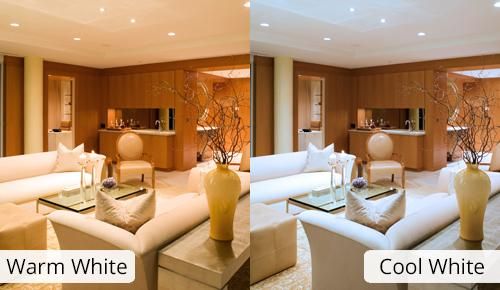
Selecting appropriate light bulbs is a crucial step in creating a warm and inviting atmosphere in your home. One of the primary factors to consider when choosing light bulbs is their color temperature, which is measured in Kelvin (K). For a cozy ambiance, look for bulbs that offer a warm white or soft white glow, typically in the range of 2700K to 3000K. This color temperature provides that soft, yellowish light reminiscent of traditional incandescent bulbs, fostering a sense of comfort and relaxation.
Another important consideration is the type of light bulb. Incandescent bulbs, while less energy-efficient, emit a warm light that contributes to an inviting feel. However, if efficiency and longevity are priorities, consider using LED bulbs designed to mimic the warmth of incandescent lighting. Many modern LEDs are available in warm white color temperatures and can significantly reduce energy consumption while still delivering a cozy glow.
Fluorescent bulbs, on the other hand, generally produce a cooler light and can detract from the welcoming atmosphere you want to achieve. Instead, opt for compact fluorescent lamps (CFLs) that are specifically labeled as ‘warm white’ or ‘soft white’ if looking for an energy-efficient alternative. When selecting decorative fixtures such as table lamps or chandeliers, remember that the type of bulb can dramatically impact the overall feel. Choose shades that diffuse light and soften shadows, further enriching the warmth of your spaces.
In conclusion, the right light bulbs can transform the mood of your home. Carefully selecting warm white or soft white bulbs—whether incandescent or LED—alongside light fixtures that enhance light diffusion is essential in crafting an inviting environment. The combination of color temperature and bulb type will significantly contribute to the overall warmth of your interiors.
Layering Light for a Cozy Environment
Creating a warm and inviting atmosphere in your home largely depends on the way you layer your lighting. Layering light involves combining three essential types of lighting: ambient, task, and accent. Each of these lighting types serves a specific purpose and contributes to a cohesive lighting design that enhances the overall warmth of your space.
Ambient lighting provides the foundational glow of a room. It is typically achieved through ceiling-mounted fixtures, such as chandeliers, flush mounts, or recessed lighting. The key to effective ambient lighting is to ensure it is diffused and soft, which can be accomplished by using dimmable fixtures or lampshades that soften the light. This base layer sets the mood while allowing the space to feel inviting and comfortable.
Task lighting, on the other hand, focuses on functionality, illuminating areas where activities like reading, cooking, or working occur. Table lamps, floor lamps, and under-cabinet lights are excellent examples of task lighting. These should be placed strategically to provide sufficient illumination without being stark or harsh. By thoughtfully arranging task lights, you can create specific zones within a room, achieving a balance that promotes both utility and comfort.
Lastly, accent lighting adds depth and dimension to a space. This type of lighting is used to highlight architectural features, artwork, or other focal points in the room. Wall sconces, spotlights, and decorative fixtures can serve as accent lighting, drawing attention to elements of your decor while adding a touch of warmth. When combined with ambient and task lighting, accent lights create a rich layering effect, enhancing the room’s overall coziness.
In summary, to achieve a cozy environment in your home, it is essential to effectively layer ambient, task, and accent lighting. This approach not only creates visual interest and depth but also fosters a welcoming ambiance that can change the way you experience your space.
Using Dimmers and Smart Lighting Solutions
Incorporating dimmer switches and smart lighting solutions into your home can significantly enhance the atmosphere, making spaces feel warmer and more inviting. Dimmer switches allow for the adjustment of lighting levels according to the specific needs of different moments, creating a cozy ambiance for relaxation or entertaining. The flexibility to regulate brightness contributes greatly to mood management in residential environments.
With a simple turn of a dial or a press of a button, homeowners can transform their spaces from bright and functional to soft and soothing. This ability to adjust lighting levels not only enhances comfort but also highlights architectural features and decor in a home, contributing to a more inviting environment.
Smart lighting systems take this concept a step further, enabling users to control their lights through mobile applications or smart home devices. These innovations provide an array of options for customization, including setting schedules, color temperature adjustments, and even integration with other smart devices in the home. For instance, one can create a warm and welcoming scene for family gatherings or a brighter atmosphere for focused work, all with the simplicity of technology.
Moreover, the energy efficiency associated with both dimmers and smart lighting solutions cannot be overlooked. By reducing the amount of energy used in excess lighting, homeowners not only contribute to a sustainable environment but also save on energy bills. The lifespan of light bulbs can be extended due to reduced strain when using dimmers, further enhancing the associated benefits.
Overall, the strategic implementation of dimmers and smart lighting is an effective method for crafting a warm and inviting home environment that responds to the dynamic needs of its inhabitants.
Incorporating Natural Light
Maximizing natural light within the home is a pivotal aspect of creating a warm and inviting atmosphere. One effective strategy is to utilize window treatments that enhance rather than obstruct natural light. Light, sheer curtains allow sunlight to filter through while still providing privacy, enabling a bright and airy environment. Alternatively, sheer roller shades can be employed for advanced control over light levels while preserving views of the outside.
Another vital consideration is furniture placement. Arranging furniture away from windows not only preserves the flow of natural light but also creates an open and spacious feel within the room. Consider low-profile furniture near windows to avoid obstructing the sunlight that enters the space. Reflective surfaces, such as mirrors and glass, can also be strategically placed to redirect light deeper into the room, maximizing the natural illumination and enhancing the sense of warmth.
Furthermore, opting for lighter wall colors can significantly affect how light is perceived in a room. Shades of white, cream, or soft pastels reflect light and contribute to a feeling of openness. These choices contrast beautifully against darker furniture or decorative pieces, allowing natural light to become a staple element of the decor.
In addition to these strategies, positioning plants near windows not only brings a touch of nature indoors but also aids in softening the light, making the environment feel more inviting. With thoughtful integration of natural elements, the interplay of light can naturally elevate the ambiance of your home.
Choosing the Right Lamps and Fixtures
When it comes to creating a warm and inviting atmosphere in your home, the selection of lamps and light fixtures plays a pivotal role. Lighting is not merely a functional aspect of home décor; it significantly affects the mood of a room. Therefore, it is essential to choose fixtures that contribute positively to the overall ambience.
The first consideration when selecting lamps is the style that complements your existing décor. For example, if your home features a classic aesthetic, consider using ornate chandeliers or vintage-style table lamps that enhance the sense of elegance. Alternatively, a more contemporary style may be accentuated with sleek, minimalist designs that create a clean, organized appearance. Additionally, incorporating a variety of lamp types—such as floor lamps, wall sconces, and pendant lights—can create layered lighting, which is crucial for establishing a cozy feel.
Another important factor is the material of the lampshades and fixtures. Natural materials, such as wood, copper, or fabric, often radiate warmth and can make the light appear softer. Shades made from fabric or paper scatter light more effectively, diffusing harsh brightness and creating a gentle glow that envelops the room. Conversely, metal fixtures can add a modern touch but should be used thoughtfully to avoid creating an overly cold environment.
Finally, consider the color of the light emitted by your fixtures. Bulbs with a warm white color temperature (around 2700K to 3000K) will evoke a feeling of comfort, whereas cooler white tones may introduce a more sterile vibe. Implementing dimmable switches can further enhance flexibility, allowing you to adjust brightness according to the time of day or the activity occurring in the space.
Creating Focal Points with Lighting
Effective use of lighting can significantly enhance the warmth and inviting atmosphere of a home through the strategic creation of focal points. Focal points guide the eyes and create an engaging visual narrative within a room. By highlighting specific areas, such as artwork or unique architectural features, homeowners can enrich the space’s character and charm.
One effective method to create focal points is to use accent lighting, which enhances specific elements rather than providing overall illumination. For instance, wall sconces or spotlight fixtures can be directed towards a piece of artwork, drawing attention to its colors and textures. This not only adds depth and intrigue but also casts gentle shadows that contribute to a warm ambiance. Additionally, using pendant lights to spotlight architectural features like a beautifully crafted archway or ceiling details can accentuate a room’s uniqueness.
Layering light sources is another key technique in crafting focal points. Incorporating multiple light types such as ambient, task, and accent lighting creates visual interest and a more dynamic environment. For example, ambient lighting provides a base layer of illumination, while task lighting—like reading lamps or under-cabinet lighting—focuses on specific areas. Integrating these different light forms encourages complexity and warmth in the overall design. Moreover, dimmable lighting options enable homeowners to adjust the brightness based on the time of day or occasion, fostering an inviting atmosphere suitable for various activities.
In conclusion, effectively creating focal points with lighting enhances the overall warmth and inviting nature of a home. By shining a light on significant aspects of a space, homeowners can achieve a harmonious balance between functionality and aesthetic appeal.
Seasonal Lighting Adjustments for Added Cozy Factor
Adjusting your lighting decor seasonally is one of the most effective ways to keep your home feeling warm and inviting throughout the year. Each season brings its unique charm and opportunity to refresh the ambiance of your living spaces. By carefully considering your lighting choices, you can uplift the mood of your home while reflecting the seasonal changes.
In winter, consider incorporating softer, warmer light sources such as fairy lights or candles. These can create a cozy atmosphere during the colder months, making it the perfect time for gatherings with family and friends. Warm-toned LED lights can be placed strategically around the living room or dining area to enhance the inviting feel. Additionally, rich, deep colors like burgundy and forest green can be used in lampshades or decorative items, complementing the winter palette.
As spring approaches, transitioning to lighter and brighter colors can help awaken your living spaces. Replace heavy drapes with sheer curtains to allow more natural light in, which can invigorate the environment. Furthermore, consider adding fresh, pastel-colored lampshades or decorative accents that reflect the freshness of spring. Adding elements like floral arrangements or nature-inspired decor can also enhance the warm ambiance.
In summer, utilize outdoor lighting to extend your living space beyond the walls of your home. String lights on patios and deck areas can create an inviting outdoor atmosphere perfect for evening gatherings. Inside, use daylight-simulating bulbs to mimic natural light, while incorporating bright colors in your decor to enhance the cheerful essence of summer.
Finally, in autumn, warm, earthy tones can be brought back into your lighting schemes. Replace bright shades with richer oranges and browns, encouraging a sense of warmth and comfort as the weather cools down. Incorporating pumpkin and leaf motifs in your decorations can harmonize beautifully with the cozy lighting.
Your lighting decor adjustments can thus play a crucial role in maintaining a consistently welcoming atmosphere in your home, encouraging relaxation and comfort year-round.