
Introduction to Family-Friendly Home Design
Family-friendly home design is an essential aspect of creating living spaces that cater to the needs of all family members. It emphasizes safety, functionality, and nurturing environments, making it unique in the realm of interior architecture. A well-designed family home fosters emotional well-being, enhances daily routines, and serves as a backdrop for lasting memories.
Designing with families in mind means considering various elements that contribute to bonding and everyday functionality. For instance, open floor plans can facilitate interaction among family members, allowing easy supervision of children while engaging in daily activities. Areas such as the kitchen and living room are often central to family dynamics, and thoughtful layouts can encourage communication and togetherness.
Moreover, family-friendly home design takes into account the different age groups within a household. It ensures that spaces cater to children’s needs—be it through the use of durable materials that withstand wear and tear or by providing designated areas for play and study. Equally important is creating accessible environments for elderly family members, which may involve the installation of handrails or ensuring adequate lighting to enhance safety.
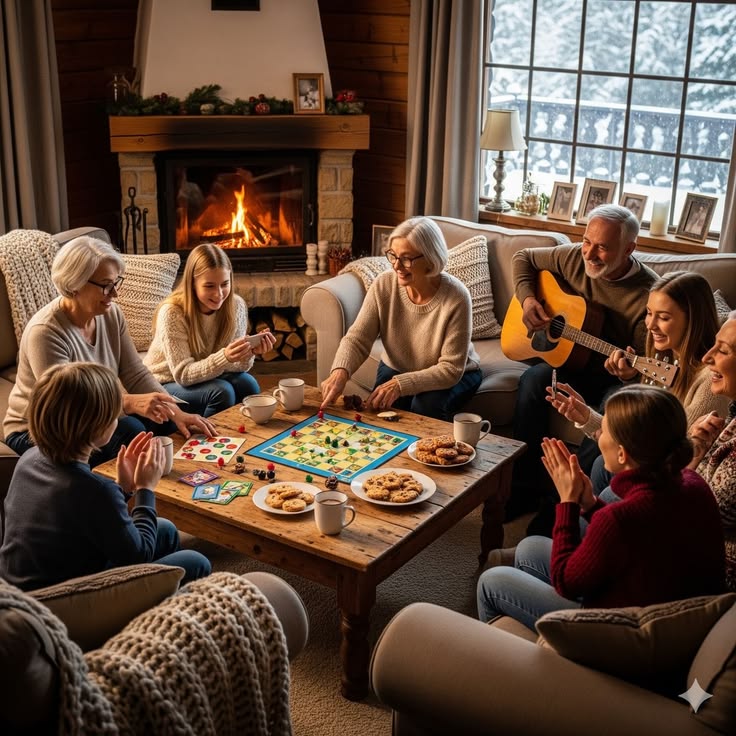
The influence of design on family interactions should not be underestimated. Thoughtful arrangements and space utilization can lead to improved family bonding, as well as a smoother daily routine. For instance, designated areas for activities like homework, crafts, or family games can promote quality time spent together. When families feel supported by their environment, they are more likely to thrive.
Overall, the concept of family-friendly home design is not merely a trend; it is a fundamental approach that enhances quality of life, fosters connections, and builds a harmonious living space for all ages. By prioritizing safety, functionality, and emotional well-being, this design philosophy can significantly elevate the home experience for families.
Flexible Spaces for Growing Families
As families evolve, their spatial needs often change. Designing flexible spaces that accommodate these shifting dynamics is essential for creating a welcoming and functional home. One effective approach is using multipurpose rooms, where the same area serves various functions. For instance, a playroom can double as a guest bedroom, utilizing a fold-out futon or convertible sofa, which allows quick transformations from a space for children to an adult sleeping area.
Another consideration is incorporating convertible furniture that adapts to different stages and needs. For example, extendable dining tables offer flexibility during family gatherings, providing ample space for everyone and reverting to a smaller size when not in use. Similarly, modular seating options such as sectional sofas can be rearranged to fit the existing layout while offering comfort during movie nights or family discussions.
Open floor plans also play a vital role in creating an inviting and adaptable environment. By eliminating unnecessary walls, homeowners can foster better communication and connection among family members. This open layout provides opportunities for shared activities, such as cooking together in the kitchen while still being part of the living area conversations. It also allows for easier reconfiguration of furniture as children grow, making it simpler to create zones for specific activities, whether for homework, playing, or unwinding.
Furthermore, incorporating features like sliding doors or movable dividers can enhance the adaptability of spaces. These options not only facilitate privacy when needed but also allow for easy expansion of a room for family gatherings. Overall, the key to family-friendly home design lies in creating environments that flexibly adjust to meet growing needs, ensuring that every room enhances family interaction and accommodates changing dynamics seamlessly.
Safety First: Childproofing Your Home
When designing a family-friendly home, prioritizing safety is paramount, particularly for households with young children. This involves incorporating childproofing measures that not only enhance safety but also create a conducive living environment for both parents and children. One of the primary aspects of childproofing is the selection of non-toxic materials. Furniture and decor should utilize materials free from harmful chemicals, ensuring that the indoor air quality remains pure. Parents should opt for paints, finishes, and furnishings that are labeled as non-toxic and lead-free, substantially reducing the risk of exposure to harmful substances.
Another critical safety measure is securing heavy furniture and large items that could potentially tip over. Heavy bookshelves, dressers, and televisions should be anchored to the wall to prevent tipping during play, ensuring that children are safe as they explore their surroundings. It is advisable to invest in safety straps and brackets designed specifically for this purpose, protecting little ones from unforeseen accidents.
Additionally, electrical outlets pose a significant hazard to inquisitive toddlers. Covering electrical outlets with childproof guards is an essential step in safeguarding your children against electrical shock. These simple yet effective covers are easy to install and a vital consideration during the design process.
Moreover, choosing safe play areas both indoors and outdoors helps create a designated space for children to explore freely. Soft flooring materials like foam tiles or rubber mats can reduce the risk of injury, while ensuring that any outdoor play equipment is age-appropriate and properly installed according to safety guidelines is equally crucial. By thoughtfully integrating these childproofing strategies, you can foster a safe and inviting home for your family.
Durable and Easy-to-Clean Materials
When designing a family-friendly home, choosing materials that can withstand the rigors of everyday life is essential. This becomes even more crucial in households with children and pets, where wear and tear is inevitable. Fortunately, several options offer durability while maintaining an attractive look.
For upholstery, consider using stain-resistant fabrics such as microfiber or treated cotton, which repel spills and are easy to clean. These materials come in a wide range of colors and patterns, ensuring that style is not sacrificed for practicality. Washable coatings are also an excellent choice for furniture, as they can be easily removed and cleaned, keeping your home looking fresh.
In terms of flooring, robust options like luxury vinyl tile (LVT) or laminate are ideal for high-traffic areas. These materials mimic the appearance of wood or stone, providing an elegant finish while being resistant to scratches, dents, and moisture. Additionally, area rugs made from synthetic fibers can easily be cleaned and replaced, offering versatility in design without high maintenance.
When selecting countertops, granite or quartz are great candidates as they are naturally non-porous and resistant to stains and scratches. These surfaces not only add a touch of luxury but are also practical for families who need durable surfaces for cooking and other activities.
Overall, achieving a balance between style and durability is entirely feasible with the right materials. By prioritizing ease of maintenance and robustness, you can create an inviting and resilient family home. Choosing furniture with protective coatings or opting for easy-to-clean flooring will significantly enhance the living experience while ensuring that your home remains stylish and welcoming.
Creating Cozy and Inviting Family Zones
Designing a home that fosters family interaction and bonding is an essential aspect of creating a warm and inviting atmosphere. Cozy family zones are vital areas where family members can gather, share experiences, and create lasting memories. One of the primary spaces to consider is the family room, where comfortable seating arrangements play a crucial role. Opt for a layout that allows easy movement while encouraging conversation; L-shaped couches or sectional sofas can effectively achieve this. Incorporating accent chairs can further enhance seating capacity without overcrowding the space.
Color choices significantly impact the overall mood of any room. Warm hues such as soft earth tones or gentle pastels create a welcoming environment conducive to relaxation, while brighter accents can enliven the space. For a cohesive look, consider coordinating rug patterns with wall colors and fabrics, thus promoting an inviting ambiance. Adding pillows and blankets can also enhance comfort, making the space feel more lived-in and approachable.
In addition to color and furniture, attention must be given to lighting. Layered lighting, combining ceiling fixtures, lamps, and ambient lights, allows for flexibility depending on the occasion and time of day. Consider installing dimmers to easily adjust the brightness, creating a soothing atmosphere conducive to family gatherings. Incorporating natural light through windows or skylights is also beneficial, as it enhances brightness and connects indoor spaces to the outdoors.
Reading nooks represent another excellent opportunity for designing cozy zones within the home. A well-placed armchair, a small bookshelf, and good lighting can make a perfect reading area for children and adults alike. Furthermore, outdoor patios can serve as additional family gathering spaces during warmer months, enhancing outdoor living experiences through comfortable furniture and thoughtfully placed plants. The key is to create spaces that invite families to spend time together, without the distractions of daily life.
Incorporating Creative Storage Solutions
In family environments, the challenge of maintaining an organized and clutter-free home often arises due to the endless accumulation of belongings. To tackle this issue, implementing smart storage solutions proves essential. By maximizing space effectively, families can enhance not only the aesthetics of their homes but also their functionality.
One highly effective method is the installation of built-in shelves, which can be tailored to fit various spaces, such as living rooms, children’s playrooms, or hallways. These shelves can accommodate books, toys, and other frequently used items, ensuring they are accessible yet neatly displayed. Additionally, built-in shelves can serve as a decorative feature, allowing for personal touches with pictures and artworks.
Another innovative storage solution involves utilizing under-bed areas. Frequently overlooked, the space beneath beds can be transformed into valuable storage compartments. Bed frames with built-in drawers or boxes provide a seamless way to tuck away seasonal clothing, extra linens, or even children’s toys. This option not only effectively uses otherwise wasted space but also keeps items out of sight, contributing to a calmer atmosphere in the bedroom.
Moreover, investing in multi-functional furniture can greatly enhance storage capabilities throughout the home. Furniture pieces that double as storage solutions, such as ottomans with hidden compartments or coffee tables that open up to reveal storage space, cater to families’ needs. These items help maintain a clutter-free environment while offering comfortable seating and functional uses. By carefully selecting furniture with storage in mind, families can create living spaces that reflect both style and practicality.
Ultimately, incorporating these creative storage solutions can lead to a more organized and efficient home. Embracing built-in shelves, under-bed storage, and multi-functional furniture allows families to harmonize their living spaces while fostering a sense of order amid their busy lives.
Kid-Friendly Outdoor Spaces
Creating versatile outdoor spaces that cater to children’s needs while providing a relaxing environment for parents is essential in family-friendly home design. A well-planned outdoor area can act as an extension of the home, where families can bond and create lasting memories.
To begin with, integrating dedicated play areas is vital. Providing a safe space for children to explore, play, and engage in physical activities is important for their development. This can be achieved by incorporating durable and soft surfacing materials such as rubber mulch or artificial grass in play zones, which significantly reduces the risk of injury during play. Additionally, installing age-appropriate play structures, such as swing sets or climbing frames, encourages outdoor playtime, promoting physical health and social interaction among children.
Furthermore, incorporating gardens can enhance the overall appeal and functionality of outdoor spaces. A garden not only adds aesthetic value but also offers children a chance to learn about nature and healthy eating. Raised garden beds allow children to get hands-on experience with planting, watering, and harvesting vegetables or flowers, fostering a sense of responsibility and nurturing. Moreover, consider using fencing to define garden boundaries, ensuring both safety and security while allowing parents peace of mind.
Outdoor dining spaces also play a crucial role in family-friendly design. By creating a designated area for meals outdoors, families can enjoy al fresco dining experiences together. Choose durable, weather-resistant furniture that is comfortable yet easy to maintain. Utilize shade structures, such as pergolas or umbrellas, to provide comfort and protection from the elements, allowing for enjoyable gatherings without harsh sun exposure.
Finally, it is important to consider general safety features throughout the outdoor space. Proper lighting ensures visibility during evening use, while gates and barriers can help restrict access to potentially hazardous areas, such as pools or steep drops. By thoughtfully integrating these elements, families can create a child-friendly outdoor sanctuary that is both enjoyable for kids and relaxing for adults.
Personalizing Spaces for Every Family Member
Creating a family-friendly home involves more than functional layouts and aesthetic coherence; it also requires personal touches that resonate with each family member. Personalization in home design allows individual personalities, interests, and hobbies to shine through, making the living space more welcoming and engaging for everyone.
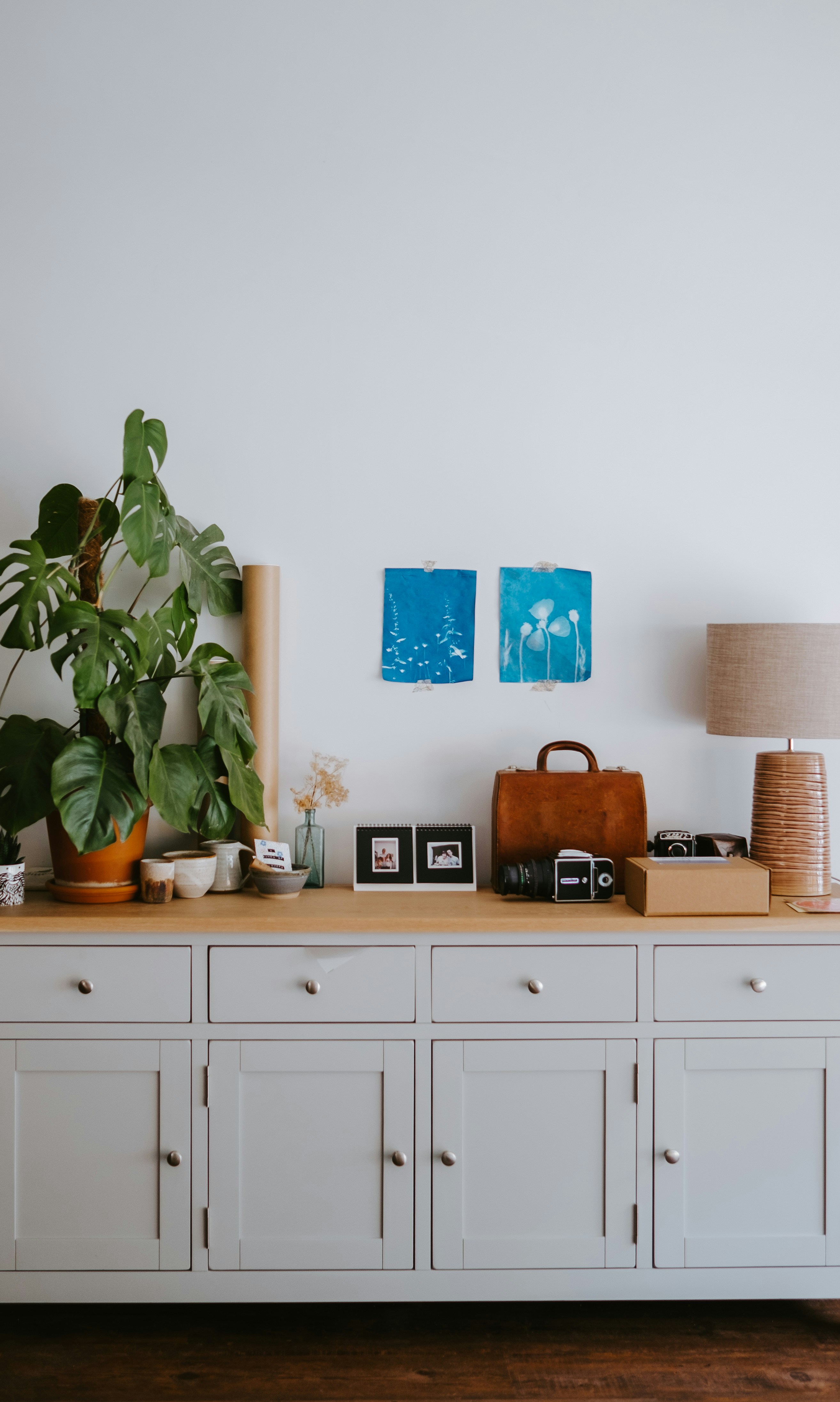
One effective way to incorporate personalized elements is through custom decor. Family members can choose artwork that reflects their interests and experiences. For instance, displaying framed posters of favorite films, unique photographs taken during family vacations, or even abstract art pieces created by children can infuse a space with individual character. Additionally, creating a gallery wall allows each member to contribute their own artwork, photographs, or cherished mementos, fostering a sense of belonging and connection.
Another crucial aspect is setting aside dedicated spaces for hobbies. For example, a craft corner equipped with supplies for painting or scrapbooking can inspire creativity in children, while a small reading nook tailored for adults can encourage relaxation and enjoyment of books. Including shelves or cabinets that display personal collections, such as sports trophies or musical instruments, can also reflect the diverse interests of each family member. It not only celebrates their achievements but also adds depth to the home’s personality.
Moreover, selecting customizable furniture can enhance personalization in home design. Modular furniture allows families to adapt their living spaces according to their current needs, while pieces that can be easily rearranged provide flexibility for various activities, whether it be game nights or family gatherings. Custom textiles, such as throw pillows and blankets, featuring unique designs or patterns related to individual preferences can also add warmth and charm.
By thoughtfully integrating personal touches throughout the home, families can create an environment that is not only functional but also deeply reflective of each member’s essence and interests.
Conclusion: Designing a Home that Grows with You
In the journey of raising a family, the dynamics within a household can shift significantly over time. Therefore, it is imperative to design your home with adaptability in mind. By incorporating family-friendly design ideas that accommodate these changes, you can create a residence that not only meets your current needs but also evolves alongside your family.
Key elements to consider include multifunctional spaces, which can serve various purposes as your family’s requirements change. For instance, a playroom can double as a study space or a guest room, thus maximizing the utility of each area. Additionally, prioritizing open floor plans can help cultivate a sense of togetherness, allowing families to interact easily, regardless of their activities.
Another important aspect is thoughtful storage solutions. As children grow, their belongings often multiply, leading to potential clutter. Designing homes with ample storage options can ensure that your living space remains organized and functional. Built-in storage can be particularly beneficial in maintaining an aesthetic pleasing to both parents and children.
Furthermore, choosing durable materials that withstand wear and tear while also being easy to clean can contribute to a long-lasting family-friendly environment. Opting for textiles and finishes that are stain-resistant can enhance the livability of your home without compromising style.
Ultimately, a family home should not only be a sanctuary but also a backdrop for countless memories. By thoughtfully integrating these design concepts, you can cultivate a welcoming and functional space that adapts to the shifting needs of your family, making it a place of comfort and joy for years to come.