

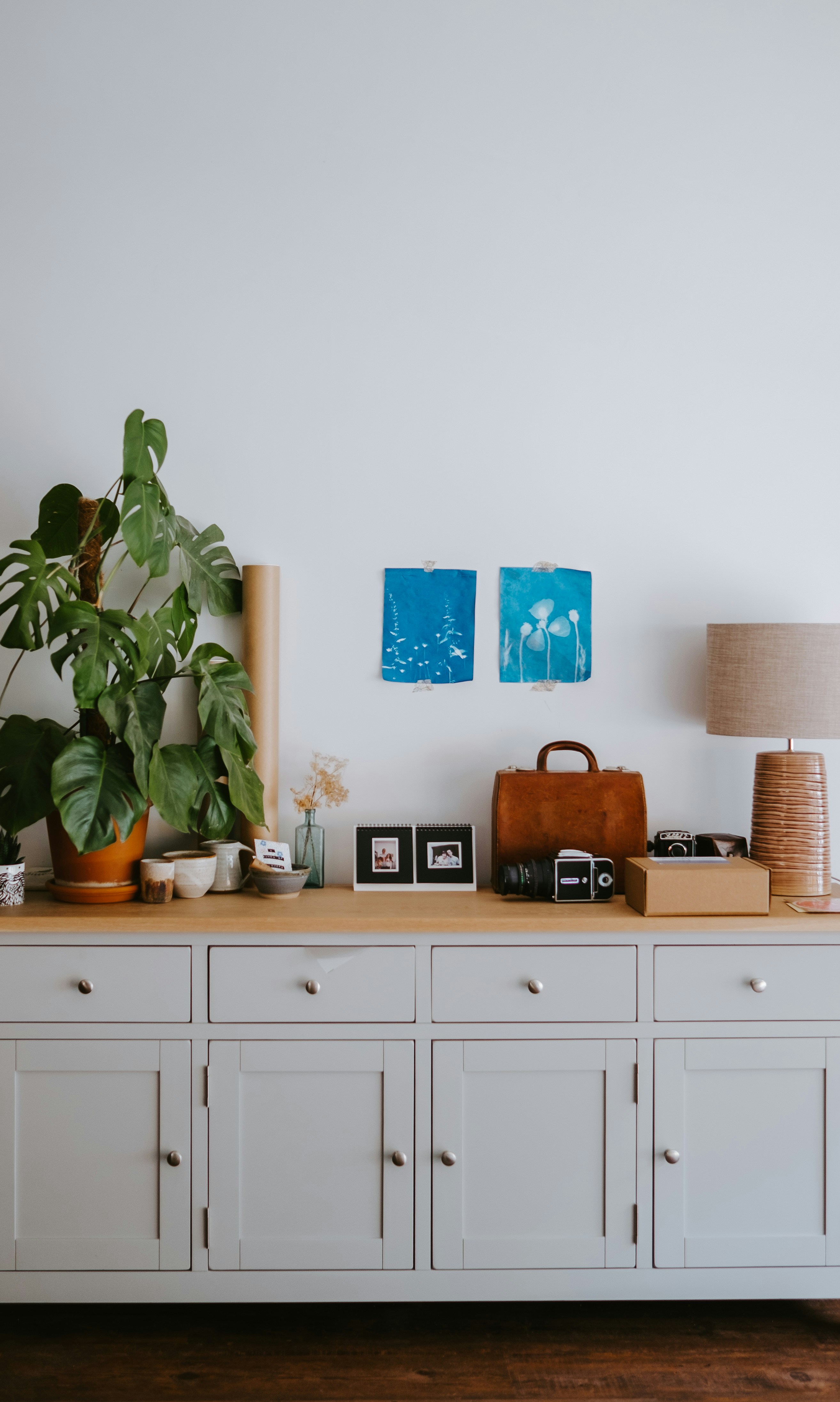
Understanding Personality in Home Design
In the realm of home design, the concept of ‘personality’ refers to the unique characteristics and traits that reflect the inhabitants’ tastes, preferences, and lifestyle. It serves as an expression of individuality, allowing a home to transform from a mere living space into an extension of one’s identity. Homeowners can showcase their personal style through carefully curated decor, artful arrangements, and chosen color palettes, influencing the overall ambiance of their residence.
The way in which a space is designed can evoke specific emotions and resonate with its inhabitants on a deeper level. Colors play a pivotal role in this expression; for example, soft pastels may create a serene atmosphere, while bold, vibrant hues can energize and enliven a room. Choosing furnishings that align with one’s aesthetic not only enhances visual appeal but also cultivates a sense of comfort and belonging. By strategically selecting decor that resonates with personal experiences or interests, individuals can cultivate an environment that feels uniquely theirs.
Moreover, the arrangement of furniture and decor should not be overlooked. Thoughtful layout choices can enhance functionality and flow, ensuring that a space is not only visually appealing but also livable. This connection between the inhabitants and their environment underscores the emotional appeal of home design. Spacious areas filled with meaningful artifacts or family heirlooms can tell a story and evoke fond memories, further enriching the experience of those who dwell within. Ultimately, the true essence of personality in home design lies in the delicate balance between aesthetics and emotional connection, fostering a space that is both inviting and reflective of an individual’s journey.
The Importance of Minimalism
In recent years, minimalism has emerged as a significant lifestyle choice, influencing how individuals curate their living spaces. At its core, minimalism is about simplifying one’s environment by valuing quality over quantity. This approach is particularly essential in enhancing personal living spaces, as it advocates for decluttering and strategically selecting the items that truly matter.
One of the primary benefits of embracing minimalism is the creation of a calm and orderly atmosphere. When a space is free from excessive clutter, it not only becomes more aesthetically pleasing but also promotes mental clarity and reduces feelings of overwhelm. Flat surfaces remain unobstructed, allowing for clean lines and a sense of flow that can be deeply satisfying. Moreover, minimalism encourages individuals to focus on the items that bring them joy or serve a functional purpose, which further enhances the personal expression within the home.
Another vital aspect of minimalism is its ability to highlight meaningful decor. Rather than displaying numerous decorative items that may muddle the overall vibe, minimalism allows homeowners to showcase fewer pieces, with each one telling a story or holding sentimental value. This curated approach fosters connections to the space and its contents, enabling individuals to express their personality without the distraction of excess. Additionally, with fewer items to maintain, the overall upkeep of the home becomes more manageable, aligning with a lifestyle that values simplicity.
In essence, adopting a minimalist approach can significantly transform living spaces into reflections of personal style. By focusing on the “less is more” philosophy, individuals can effectively create an environment that is both functional and expressive. This balance nurtures creativity, allowing for a more profound expression of personality within one’s home, while simultaneously promoting serenity and ease.
Choosing the Right Color Palette
When it comes to adding personality to your home, selecting an appropriate color palette is a fundamental step that can significantly shape the ambiance and emotional impact of a space. The colors you choose not only reflect your personal style but also influence the mood and feel of each room. Understanding the psychological effects of colors is essential in creating an environment that resonates with your aesthetic preferences.
Different colors evoke various emotions and perceptions. For instance, warm shades such as reds and oranges can instill feelings of warmth and energy, making them ideal for lively spaces like dining rooms or family areas. In contrast, cooler tones like blues and greens often promote calmness and tranquility, which are well-suited for bedrooms and relaxation areas. Similarly, neutral hues such as beige, gray, and white can provide a serene backdrop, allowing you to incorporate colorful accents without overwhelming the senses.
To effectively choose a color palette, consider the overall vibe you wish to achieve in your home. A cohesive color scheme can enhance the flow between rooms, allowing for a subtle interplay of colors that draws the eye and makes the area feel more connected. Additionally, while experimenting with various shades, it can be beneficial to select a combination of primary colors alongside accent shades to add depth and interest.
As you design your spaces, remember that the color palette should align with your personality. Incorporating your favorite shades and unique color combinations can reflect your personal narrative and create a home that not only looks beautiful but feels authentically you. By understanding the psychological impact of colors, you can create a harmonious environment that encourages self-expression without succumbing to clutter.
Personalized Art and Decor
Incorporating personalized art and decor is an essential step in transforming a house into a home that reflects individual style and personality. Collecting art pieces should be a thoughtful process; rather than simply focusing on popular trends, it is important to choose items that resonate personally and hold significant meaning. This could include artworks from local artists, pieces collected from travels, or even family heirlooms that hold sentimental value.
A great way to start curating a personal art collection is to define what styles, colors, and themes resonate with you. Consider visiting local galleries or art fairs to discover emerging artists whose work aligns with your aesthetic preferences. Additionally, investing in original pieces or limited prints can also support local artisans while ensuring that your collection remains unique.
DIY projects can further enhance the personalization of your home decor. For instance, creating a gallery wall with a mix of family photos, personal artwork, and found objects can serve as a focal point in any room. This not only showcases a sense of individuality but also sparks conversations among guests, bringing an intimate feel to your living space.
Photography holds a unique place in home decor as it captures memories and moments that are important to you. Displaying framed photographs of family gatherings, travel adventures, or significant life milestones can create a narrative throughout your home. By investing in quality framing and unique layouts, photographs can be elevated from simple snapshots to impressive focal points that contribute to a personalized aesthetic.
Ultimately, the key is to select decor that resonates with your story and reflects your interests and experiences. This approach not only enhances the visual appeal of your home but also enriches the atmosphere, allowing your personality to shine through without succumbing to clutter.
Incorporating Textures and Materials
When it comes to enhancing the personality of a home, the incorporation of various textures and materials plays a pivotal role. By diversifying the fabrics, woods, metals, and other elements within a space, homeowners can achieve a rich, layered aesthetic that adds depth without overwhelming the environment.
Fabrics such as linen, velvet, and cotton bring warmth and comfort to living areas, while also creating visual interest. Consider using a combination of these materials in cushions, throws, or draperies to offer tactile variety. Each fabric contributes its unique feel and appearance, adding a nuanced touch that reflects the homeowner’s style.
Wood is another essential material that introduces both texture and warmth. Different types of wood not only vary in color but also in grain and finish, allowing for the creation of a sophisticated yet inviting atmosphere. Mixing smooth finishes with rustic reclaimed wood can create a striking contrast that tells a story while enhancing visual complexity.
Metal elements, such as brass or stainless steel, can emphasize modernity and elegance. Incorporating these materials through light fixtures, furniture accents, or decorative pieces adds a contemporary flair, while also providing functional benefits. The reflective qualities of metals can also help to create a sense of spaciousness, further reducing any feeling of clutter.
In summary, thoughtfully integrating a variety of textures and materials can significantly enhance the personality of a home without the need for excessive decoration. Successfully blending different elements fosters a harmonious and inviting environment that speaks to the individuality of the occupants while maintaining clarity and organization in the living space.
Functional Accessories That Reflect Your Personality
Incorporating personality into your home decor can be achieved through functional accessories that not only enhance aesthetics but also serve practical purposes. The key is to choose items that align with your style and contribute to a cohesive look, while simultaneously avoiding clutter. This approach allows for a curated space that feels both personal and purposeful.
Start with stylish storage solutions that can serve dual purposes. Decorative baskets, for instance, add texture and warmth to any room while providing an efficient means of organizing everyday items. Choose materials and colors that resonate with your design sensibility—wicker, fabric, or even metal baskets can complement various interior styles. Opting for multifunctional furniture pieces, such as ottomans with hidden compartments or bookshelves that incorporate a workspace, can also significantly contribute to a tidy and personalized environment.
Lighting plays a crucial role in adding character to a home. Unique lighting fixtures, such as sculptural table lamps or contemporary pendant lights, can act as statement pieces that reflect your artistic inclinations. These elements not only illuminate spaces but also evoke a certain ambiance that aligns with your personal taste. Consider fixtures with distinctive materials—like brass, wood, or ceramic—that resonate with your overall home aesthetic.
Additionally, decorative yet functional accessories like artistic trays, stylish coasters, and bespoke wall hooks can elevate the everyday essentials in your home. These items can showcase your personality through their design while ensuring that practicality remains at the forefront. When thoughtfully selected, functional accessories can significantly enhance the character of your space without overwhelming it.
Create Meaningful Focal Points
In home design, creating meaningful focal points can effectively reflect personal taste while maintaining a streamlined aesthetic. A focal point is the element that naturally draws the eye, serving as the centerpiece of a room. This can be achieved through various methods, including furniture placement, artwork, or the incorporation of statement pieces that resonate with your personal style.
One way to establish a focal point is by strategically placement of furniture. For instance, a well-placed sofa can act as a visual anchor in a living room. Positioning it to face a stunning view or an elaborate piece of art creates a connection between the space and the focal element, promoting a harmonious flow. Ensure that the surrounding furniture complements this focal point without overpowering it, allowing the center of attention to shine.
Artwork also plays a pivotal role in adding character and personality to a room. A large canvas painting or an intriguing sculpture can serve as a conversation starter and reflect one’s personal journey or interests. When selecting art, opt for pieces that resonate with your identity, whether that means choosing vibrant modern art or classic pieces. The way art is displayed is equally important; consider creating a gallery wall or using unique frames to enhance visual interest.
Additionally, incorporating statement pieces, such as an antique coffee table or an eye-catching light fixture, can impart uniqueness to your space. These items should be carefully curated, making sure they tell a story or evoke a particular emotion. By thoughtfully selecting focal points, you create narrative layers in your home, ensuring that they are not only visually appealing but also deeply personal.
Seasonal Decor Changes
Incorporating seasonal decor into your home is an excellent way to keep your living space dynamic and engaging while ensuring it reflects your personal style throughout the year. Seasonal changes don’t have to mean clutter; in fact, they can enhance your home’s atmosphere significantly. To achieve this balance, consider creating a simple rotation system for your decorative items.
Begin by categorizing your decor items according to the seasons: spring, summer, autumn, and winter. This will make it easier to access the items you’ll be swapping in and out. Store the off-season decor in clear, labeled bins, allowing for easy identification and retrieval. Each change of season invites a unique theme – fresh florals in the spring, vibrant colors in the summer, warm tones in the autumn, and cozy accents in the winter. By rotating these items, you can infuse a sense of freshness into your home without overwhelming it with extras.
Additionally, focus on incorporating natural elements that resonate with the particular season. For instance, in the fall, consider adding pumpkins or branches adorned with changing leaves. In the spring, a few potted plants or floral arrangements can invigorate your living space. As you integrate these seasonal elements, remember to be selective. Choose a few key pieces that can standout, rather than overcrowding your surfaces and displacing your foundational decor.
To avoid clutter, opt for functional pieces that serve a dual purpose, such as decorative trays that can hold both seasonal accents and essentials. This approach keeps your space organized while celebrating the changing seasons. Ultimately, by thoughtfully rotating your decor, you create an environment that feels fresh and personally relevant all year round.
Maintaining a Balanced and Personalized Space
Creating a home that reflects your personality while maintaining a sense of order requires a thoughtful approach. One of the most effective strategies for achieving this balance is through regular decluttering. Decluttering not only removes excess items but also allows homeowners to evaluate which belongings genuinely resonate with them. By routinely assessing your possessions, you can more easily identify which items contribute to your personal environment and eliminate those that do not align with your current lifestyle.
It is essential to engage in personal reflection when determining the significance of various items. Ask yourself questions such as: “Does this piece evoke joy?” or “Does it serve a practical purpose in my daily life?” This reflective process helps ensure that every item in your home serves a function, either practical or emotional, effectively contributing to your personalized space without adding unnecessary clutter.
Incorporating meaningful elements is fundamental to maintaining an uncluttered yet personalized space. This can be achieved through thoughtful selection, such as showcasing a few cherished photographs or artifacts that tell a story about your experiences. However, it is crucial to limit the number of items displayed, ensuring that each piece has room to breathe and can be appreciated individually. By doing so, you avoid the visual overload that can occur with excessive decoration.
Furthermore, regularly updating your home’s decor can enhance its individuality while remaining clutter-free. Consider rotating items or introducing seasonal decor that can refresh your space without overcrowding it. This strategy not only keeps your home dynamic but also allows for continuous self-expression through changing aesthetics.
Ultimately, the goal of maintaining a balanced and personalized space is to create an environment that reflects your identity while promoting comfort and tranquility. By adhering to the principles of decluttering, personal reflection, and thoughtful selection, you can successfully curate a home that is both uniquely yours and devoid of clutter, enhancing your overall living experience.