
Understanding the Concept of a Sanctuary
The notion of a sanctuary within the home transcends mere aesthetics; it embodies a profound commitment to creating a space that nurtures tranquility, safety, and emotional well-being. A sanctuary is defined as a refuge where individuals can retreat from the chaotic rhythms of daily life, finding solace in an environment that promotes relaxation and peace. This space serves as a personal oasis, where the stresses of work and social obligations can be set aside, facilitating a deeper connection with oneself and fostering mental clarity.
Incorporating the principles of a sanctuary into your home can significantly enhance your quality of life. This is particularly evident when considering the pervasive effects of stress on both physical and mental health. By establishing a serene space, you are not merely designing an area for relaxation; you are actively working to cultivate a lifestyle that prioritizes mental health. The presence of calming colors, soft textures, and mindful decor can create an ambiance that encourages unwinding, thus lowering anxiety levels and promoting overall well-being.
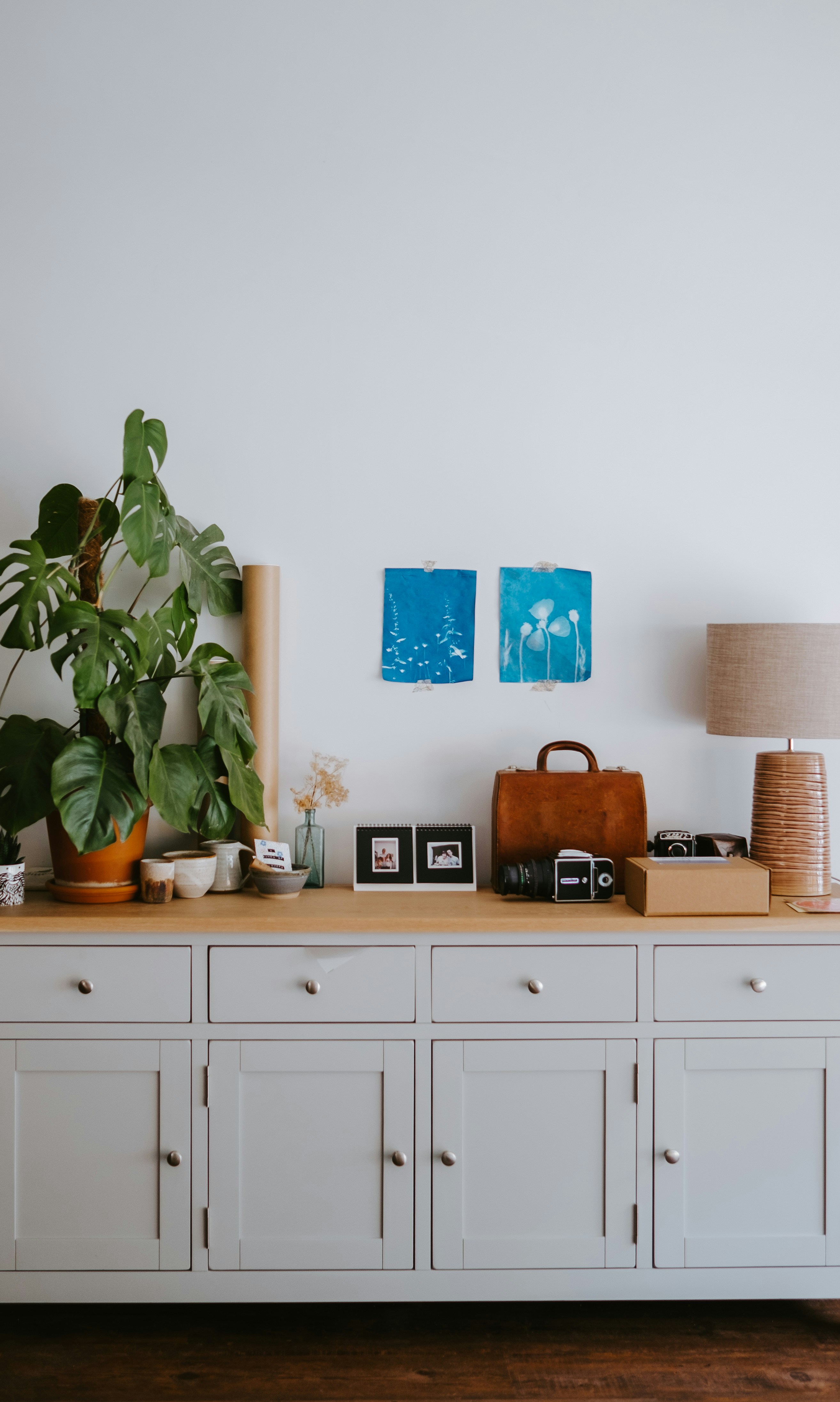
A home sanctuary is also characterized by the absence of distractions and clutter, which can hinder one’s ability to relax. By decluttering and purposely choosing elements that bring joy or peace, individuals can cultivate a restorative atmosphere. This transformation not only impacts immediate feelings of serenity but also instills a sense of empowerment and control over one’s surroundings. Ultimately, understanding the concept of a sanctuary and its implementation can lead to profound changes, reducing daily stressors and fostering an enduring sense of peace.
Assessing Your Current Space
To embark on the journey of creating a peaceful sanctuary at home, the first step is to assess your current living space. This evaluation involves a meticulous examination of both the physical and emotional aspects of your surroundings. Start by observing each room; take note of the elements that invoke feelings of chaos or stress. Are there cluttered areas that contribute to a sense of disorder? Or perhaps certain colors and decor evoke negative emotions? Understanding these triggers is essential for cultivating a calmer atmosphere.
Equally important is acknowledging the components that enhance your sense of peace. Identify the spaces that you find comforting, such as a cozy reading nook or a well-organized workspace. Consider the elements that contribute positively to your environment, such as natural light, plants, or soothing colors. These insights will serve as a guide to what you wish to incorporate or enhance in your home sanctuary.
Creating a balanced space necessitates an interplay between comfort, functionality, and aesthetics. Each of these elements should harmonize to support your overall well-being. For instance, while it’s vital to have aesthetically pleasing decor, functionality should not be overlooked. Assess whether your furniture arrangement allows for easy movement and access, and whether the items on display genuinely bring you joy or serve a practical purpose.
By thoroughly evaluating your current space, you are laying the groundwork for transformation. This assessment ultimately empowers you to make informed decisions that can lead to a more tranquil and nourishing environment, tailored specifically to your needs and preferences.
Decluttering for Calmness
Decluttering is an essential practice in the journey towards transforming your home into a peaceful sanctuary. The philosophy behind decluttering revolves around the idea that physical space and mental clarity are closely interconnected. By removing excess items that do not serve a purpose or evoke joy, you create an environment conducive to tranquility.
To begin the decluttering process, it is critical to set time aside dedicated solely to this task. Start with a small area, such as a single drawer or a section of your closet, to avoid feeling overwhelmed. As you sift through your belongings, adopt a mindful approach by asking yourself if each item truly brings you joy or utility. If the answer is no, consider letting it go. Letting go can be a liberating experience; it opens up space for the things that matter. Options for disposal include donating items in good condition, recycling, or discarding those that are broken.
After decluttering, the next step is to organize what remains. Adopt systemized methods for sorting items to promote aesthetic harmony and ease of access. For instance, consider using clear containers to store smaller items, thereby allowing for quick visibility and retrieval. Labeling shelves and bins can also enhance organization, making it easier to maintain the peace you have established. Additionally, grouping similar items together will streamline your space, ensuring that it remains functional and visually calming.
Ultimately, the act of decluttering not only helps to create a serene home environment but also encourages a more mindful lifestyle. As you cultivate this sanctuary, remember that the goal is to surround yourself with items that enrich your life rather than clutter your space.
Choosing a Calm Color Palette
The psychology of color plays a significant role in shaping our emotional responses to our surroundings. Different hues can evoke distinct feelings and feelings can profoundly impact our overall well-being. For instance, soft blues and greens are commonly associated with tranquility and calmness, making them ideal choices for creating a serene atmosphere in your home. Conversely, vibrant colors such as reds or yellows may elicit feelings of energy or agitation, which could detract from the peaceful sanctuary one aims to build.
When selecting colors for walls, decor, and furnishings, it is essential to consider the mood you wish to foster in each room. Neutrals, particularly soft beige and warm grays, can create a soothing backdrop that enhances the sense of relaxation. These colors not only provide a timeless elegance but also allow for flexibility when incorporating additional decor elements.
In addition to neutrals, muted pastels like lavender, mint, or pale peach can serve to add a touch of color while maintaining a calm environment. These gentle shades can be particularly effective in bedrooms or meditation spaces, where tranquility is paramount. Furthermore, consider using lighter shades, as they tend to reflect natural light better, brightening the space without overwhelming it.
Incorporating nature-inspired colors can also enhance feelings of serenity. Earthy tones such as soft browns and greens can help cultivate a connection with the outdoors, fostering a sense of grounding and stability. By strategically selecting a calm color palette, you can create a harmonious and inviting home that promotes relaxation and peace, transforming your living space into a true sanctuary.
Incorporating Nature into Your Home
The integration of natural elements into living spaces has proven to be an effective way to foster a sense of tranquility and improve mental well-being. By thoughtfully incorporating nature into your home, you can create a peaceful sanctuary that promotes relaxation and rejuvenation. One of the most direct methods to achieve this is through the inclusion of indoor plants. Houseplants not only enhance aesthetic appeal but also purify the air, contribute to humidity control, and have been associated with reduced stress levels and increased feelings of well-being.
Beyond plants, maximizing natural light within your home is another pivotal aspect of cultivating an inviting environment. Natural light can significantly influence mood and energy levels, making spaces feel larger and more open. To optimize natural light, consider using sheer curtains or strategically placing mirrors to reflect light throughout your interiors. Large windows or skylights can also enhance the influx of sunlight, thereby creating a more vibrant atmosphere.
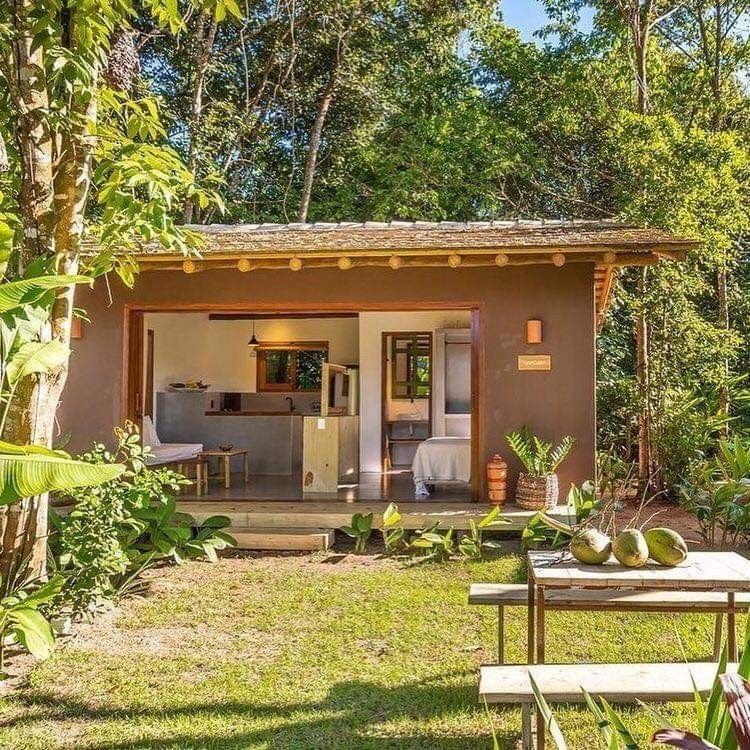
Furthermore, maintaining outdoor views is essential in bridging the gap between your living space and nature. Positioning furniture to overlook gardens or natural landscapes can help invoke a sense of calm and connection with the outdoors. In scenarios where outdoor views are limited, artwork featuring natural themes or landscapes can serve as a suitable alternative, providing a restorative quality reminiscent of nature.
By integrating these natural elements into your home—such as plants, natural light, and outdoor views—you not only elevate the design of your space but also contribute positively to your mental well-being. The overall impact of these features can lead to a more tranquil living environment that fosters peace, serenity, and balance in daily life.
Creating Cozy Nooks
Creating cozy nooks within your home is an essential aspect of curating a tranquil environment. These designated areas transform parts of your living space into havens of relaxation and personal reflection. Each nook can serve as a unique sanctuary crafted specifically to indulge in moments of solitude, thereby promoting mental clarity and emotional wellness.
When designing these spaces, the first consideration should be comfortable furniture. Opt for soft lounge chairs, plush sofas, or even a hammock if space permits. The key is selecting seating that invites you to sink in and unwind. You might also incorporate bean bags or oversized cushions, which can easily be moved around, allowing you to adapt the space to your needs.
Textiles play a significant role in enhancing comfort. Soft throws, warm blankets, and stylish yet functional rugs can add not only warmth but also a rich texture to the nook. Consider using layers of fabric that beckon you to curl up with a good book. Adding cushions with varying materials can introduce a tactile dimension, making your cozy nooks more inviting.
Personal artifacts also contribute significantly to the atmosphere of these spaces. Display items that evoke fond memories or inspire joy. This could include framed photographs, travel souvenirs, or cherished gifts. Such elements create a sense of belonging that encourages relaxation. Additionally, consider incorporating ambient lighting through lamps or fairy lights, as this can dramatically affect the mood, creating a soothing ambiance perfect for winding down.
Ultimately, the goal of creating these cozy nooks is to establish a peaceful retreat where one can disconnect from the outside world and reconnect with themselves. By thoughtfully selecting furniture, textiles, and personal items, each nook becomes a cherished part of your home that promotes tranquility and comfort.
Implementing Mindful Practices
Creating a tranquil atmosphere within your home significantly benefits from the incorporation of mindful practices. These techniques foster a sense of awareness and presence, which can enhance the overall peacefulness of your sanctuary. One of the most effective methods is meditation. Setting aside a few minutes each day to meditate allows individuals to focus on their breath, observe their thoughts, and cultivate a calm mindset. This practice reduces stress and encourages a deeper connection to oneself and the surrounding environment.
In addition to meditation, yoga also serves as an excellent mindful practice that can be integrated into a daily routine. Practicing yoga encourages physical movement paired with breath control, guiding participants to foster a sense of harmony within their bodies and minds. The serene atmosphere created during a yoga session can be replicated at home by creating a designated area for practice that is free from distractions. Soft lighting, calming scents, and comfortable mats can all contribute to a more inviting environment.
Another technique involves dedicating specific times throughout the day to unplug and be present in your space. This can be as simple as turning off electronic devices, stepping away from work, and allowing oneself to enjoy the sights and sounds of the home. Engaging in mindful activities, such as reading, journaling, or even just savoring a cup of tea, promotes a deeper appreciation for the immediate surroundings.
By incorporating these mindful practices into daily life, individuals can cultivate an atmosphere that embodies tranquility and peace. Each technique encourages a moment of reflection and presence, fostering a harmonious relationship with one’s home and contributing to the overall sanctuary of serenity.
Scent and Sound for Serenity
Creating a peaceful sanctuary at home is essential for promoting tranquility and well-being. Sensory experiences, particularly through scent and sound, play a pivotal role in establishing this harmonious environment. The right scent can evoke calming emotions, while gentle soundscapes enhance relaxation, allowing individuals to disconnect from the stresses of daily life.
Essential oils are one of the most effective means of introducing soothing scents into your space. For instance, lavender is renowned for its calming properties; diffusing lavender oil can create a serene atmosphere that promotes relaxation and restful sleep. Similarly, chamomile and bergamot are excellent alternatives that help reduce anxiety and enhance feelings of contentment. Incorporating scented candles is another effective approach, as they not only provide a lovely aroma but also create a cozy, warm glow that further fosters tranquility. When selecting candles, it is advisable to choose those that use natural wax and essential oils for optimal benefits.
In addition to scent, sound significantly influences the ambiance of your sanctuary. Calming music or sounds such as nature sounds can create a serene backdrop that promotes relaxation. Instrumental music, particularly soft piano or strings, can help to soothe the mind and reduce stress. Additionally, sound machines that produce ambient noise, like rainfall or ocean waves, can be particularly useful in providing a rhythmic, calming experience. As you cultivate your sanctuary, consider curating playlists that resonate with you personally, filled with tracks that evoke feelings of peace and relaxation.
By incorporating thoughtful scents and soundscapes, you can enhance the tranquil atmosphere of your home sanctuary, making it a rejuvenating retreat from the chaos of everyday life.
Maintaining Your Peaceful Sanctuary
Maintaining the tranquility of your peaceful sanctuary is essential for ensuring that it continues to serve as a restorative environment. After creating such a space, ongoing habits must be established to preserve its serenity and comfort. Regular cleaning is one of the fundamental practices that should be employed. Schedule time weekly to tidy up your sanctuary; this includes dusting surfaces, vacuuming floors, and addressing any clutter that may have accumulated. A clean space not only enhances physical appearance but also promotes mental clarity and peace.
Continued decluttering is another critical aspect of maintaining your sanctuary. Over time, items may start to pile up, leading to a less harmonious atmosphere. Regularly evaluate the contents of your space and remove anything that no longer contributes to your sense of tranquility. This practice can involve deciding whether certain items add value to the setting or detract from it, thereby allowing you to cultivate an environment that is truly reflective of your needs.
Additionally, it is important to regularly reflect on what elements contribute to the peacefulness of your sanctuary. Consider taking a few moments each week to assess how you feel in your space and what can be adjusted to enhance it further. This may include switching out decor, adding elements that evoke calming feelings, or rearranging furniture to promote better flow. Such reflection not only keeps the environment aligned with your ever-evolving sense of tranquility but also reinforces the purpose of your sanctuary as a cherished retreat from daily stressors.
By integrating these practices of regular cleaning, ongoing decluttering, and thoughtful reflection, you can sustain a peaceful sanctuary that continues to nurture and restore your inner peace. A commitment to these habits will ensure that your home remains a haven for relaxation and rejuvenation.