
Understanding Personal Branding
Personal branding is a vital concept within the contemporary business landscape, encompassing the strategic process of individuals marketing themselves and their careers as brands. It is more than just a social media presence; personal branding involves the thoughtful packaging of one’s identity, values, skills, and aspirations in a way that communicates authenticity and builds trust with an audience. Unlike traditional branding, which typically focuses on products or services, personal branding highlights individual attributes and narratives, establishing a unique connection between the individual and their target market.
The essence of personal branding lies in the idea that an individual can cultivate a distinct identity that resonates with others. This unique presentation not only showcases one’s strengths and expertise but also fosters a sense of relatability and transparency that consumers increasingly seek. In today’s digital era, where online interactions often overshadow face-to-face communications, personal branding serves as a mechanism for individuals to distinguish themselves in a saturated market.
Moreover, personal branding is essential as it influences perceptions, builds credibility, and enhances visibility. Entrepreneurs and professionals who effectively manage their personal brand can position themselves as thought leaders, attract better opportunities, and engage meaningfully with their audience. For example, a well-articulated personal brand can act as a catalyst for networking opportunities, collaboration, and ultimately, business growth. In conclusion, embracing personal branding is not merely a trend; it is a strategic imperative that empowers individuals to take control of their narrative and propel their professional journey forward.
The Benefits of Personal Branding
In today’s highly competitive business environment, developing a strong personal brand has become essential for professionals across various industries. One of the primary benefits of personal branding is enhanced visibility. By effectively leveraging social media platforms, personal websites, and professional networking sites, individuals can promote themselves and their expertise, thereby increasing their presence in the market. This elevated visibility not only attracts potential clients or employers but also positions the individual as a thought leader in their respective field.
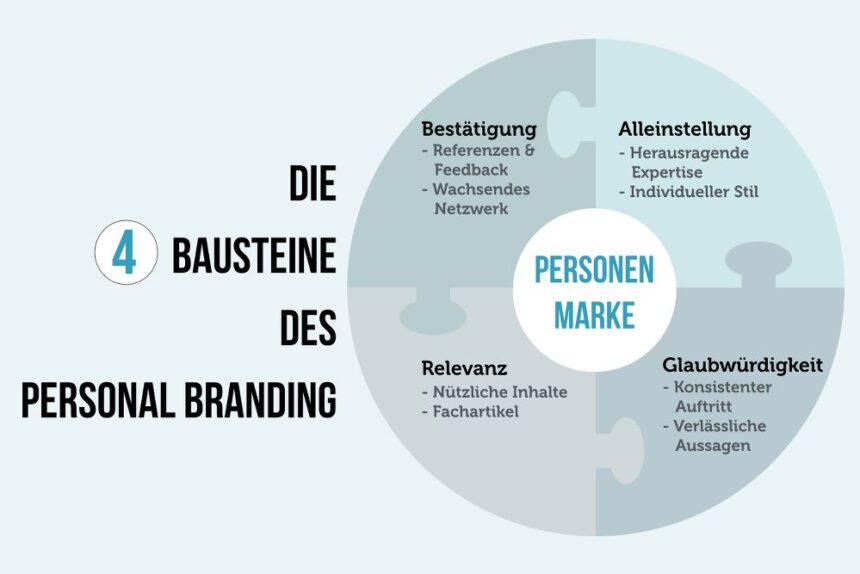
Another significant advantage of cultivating a personal brand is the enhancement of credibility. A well-crafted personal brand communicates authenticity and trustworthiness, which are crucial factors in building relationships with clients and peers. When individuals consistently share valuable insights and demonstrate their knowledge, they foster a sense of reliability that encourages others to seek them out for advice and collaboration.
Moreover, personal branding fosters stronger networking opportunities. A distinctive personal brand allows professionals to connect with like-minded individuals and influential figures who align with their values and goals. Networking becomes more impactful when individuals can present themselves confidently, showcasing their unique value propositions. This can lead to partnerships, mentorship opportunities, and collaborative projects that might not have been possible otherwise.
Lastly, having a strong personal brand empowers individuals to influence and inspire others. By sharing their journey, values, and expertise, they can motivate followers and peers, contributing positively to their professional communities. This influence can extend beyond personal achievement, enabling individuals to champion causes and create meaningful change.
How Personal Branding Drives Business Growth
In today’s competitive marketplace, personal branding acts as a significant catalyst for business growth. When entrepreneurs and professionals effectively establish their personal brands, they create a recognizable identity that resonates with their audience. This identity not only attracts new customers but also fosters loyalty among existing clients, contributing to sustainable business expansion.
A well-defined personal brand communicates values, expertise, and unique selling propositions to potential clients and collaborators. This clarity fosters trust and a sense of credibility, which are critical components in customer decision-making. When business leaders position themselves as thought leaders in their respective fields through personal branding, they inadvertently attract attention from prospective customers and industry peers alike. Consequently, this can lead to increased inquiries, partnerships, and networking opportunities, all of which are essential for business development.
Moreover, personal branding plays a crucial role in customer retention. When customers identify with the values and personality projected by a brand, they are more likely to remain loyal. Consistency in messaging strengthens this bond, allowing businesses to cultivate a dedicated customer base. Additionally, satisfied customers often become advocates, sharing their positive experiences with others, which in turn generates organic leads and referrals.
Furthermore, an established personal brand opens doors for new collaborative ventures and partnerships. Other businesses are more inclined to partner with individuals or brands that reflect a strong and reputable image, thus enhancing opportunities for growth. As collaboration often leads to innovative solutions and new markets, the ripple effect of personal branding is evident in its capacity to drive collective business growth.
Building Your Personal Brand: Key Strategies
In the evolving landscape of business, establishing a solid personal brand is essential for standing out and achieving growth. To effectively build your personal brand, start by identifying your unique selling proposition (USP). This involves pinpointing the distinct qualities and values that set you apart from others in your field. A compelling USP not only showcases your expertise but also communicates the benefits you offer to your target audience.
Next, defining your target audience is crucial. Understand who your ideal clients or followers are and tailor your messaging to resonate with them. Consider conducting market research or utilizing analytics tools to gather insights about your audience’s demographics, interests, and needs. By focusing on this specific group, you can craft strong, personalized content that engages them and encourages interaction.
Leverage social media platforms to magnify your personal brand’s reach. Choose platforms that align with your audience and industry; for instance, LinkedIn is highly beneficial for professionals, whereas Instagram can be great for visually-driven branding. Ensure your profiles are complete and convey your brand’s essence. Regularly share high-quality content that reflects your values, skills, and knowledge, fostering a consistent online presence.
Additionally, engaging with your audience is vital for building rapport and credibility. Respond to comments, ask for feedback, and participate in discussions relevant to your expertise. This interaction not only bolsters your visibility but also establishes trust within your community. Consider collaborating with other influencers or thought leaders to extend your reach and credibility further.
By integrating these strategies, you can effectively build a strong personal brand that contributes to your business growth. Each of these steps is integral to crafting an authentic and relatable brand presence that attracts and retains your audience.
The Role of Authenticity in Personal Branding
In the realm of business growth, authenticity emerges as a critical pillar of personal branding. As individuals and organizations navigate the competitive landscape, the genuine representation of values, beliefs, and actions can significantly influence how brands are perceived. Authenticity fosters a sense of trust among consumers, which is essential for building lasting relationships. When a brand is perceived as authentic, it becomes a beacon of reliability, encouraging customers to engage and develop loyalty.
Being genuine in personal branding means showcasing one’s true self rather than adhering to a contrived image that may appeal superficially. This authenticity resonates with audiences, as individuals are more likely to connect with brands that reflect their own values and experiences. Incorporating personal stories, unique experiences, and individual perspectives into branding efforts allows for deeper relatability. This connection not only nurtures customer loyalty but also cultivates a supportive community around the brand.
Moreover, authenticity contributes to the overall differentiation of a brand in an overcrowded market. In a landscape where numerous players offer similar products or services, the ability to communicate one’s true essence can create a unique value proposition. Consumers today increasingly seek transparency, and when brands openly embody their core principles, they position themselves favorably in the eyes of the public.
Another significant aspect of authenticity in personal branding is its impact on credibility. A brand that consistently aligns its messaging with its actions earns the respect and trust of its audience. Trust is a valuable currency in business, and it is cultivated through genuine interactions, transparency, and consistency over time. Therefore, by grounding personal branding efforts in authenticity, businesses can enhance their overall reputation and catalyze growth through meaningful engagement and connection.
Common Mistakes to Avoid in Personal Branding
Building a personal brand is an essential aspect of business growth; however, several common mistakes can hinder this process. One notable pitfall is inconsistency in messaging. A personal brand should reflect a coherent narrative that aligns with one’s values and professional identity. Discrepancies in tone, visuals, or core messages can lead to audience confusion, making it challenging to establish trust and recognition.
An absence of clarity in the personal brand can be equally detrimental. It is vital that individuals articulate their brand purpose and value proposition clearly. Without a defined focus, a personal brand may lack direction, resulting in a diluted presence in the market. This can affect not only how others perceive the brand but also how individuals view their own professional path. Clarity ensures that the target audience understands the benefits of engaging with the brand, fostering stronger connections.
Another common mistake is neglecting engagement with one’s audience. Personal branding is not solely about self-promotion; it necessitates nurturing relationships and interactions. Failing to actively engage with followers can lead to a disengaged community and missed opportunities for meaningful dialogue. Responding to comments, seeking feedback, and participating in discussions are ways to promote engagement and reinforce the personal brand.
Moreover, overlooking the importance of authenticity can jeopardize the efficacy of a personal brand. Individuals should strive to be genuine in their interactions and content. Authenticity resonates with audiences, fostering a sense of relatability that is pivotal in building a loyal follower base. In sum, avoiding these common mistakes—such as inconsistency, lack of clarity, and neglecting audience engagement—is crucial for developing a successful personal brand that contributes significantly to business growth.
Success Stories: Inspiring Examples of Personal Branding
Personal branding has become a pivotal aspect of career advancement and business growth for many successful individuals. One such example is Elon Musk, the CEO of Tesla and SpaceX. Musk has effectively utilized personal branding to position himself as a visionary leader in the technology and automotive sectors. His active presence on social media platforms, especially Twitter, allows him to engage directly with consumers and investors. By sharing updates about his projects and aspirations, Musk creates a narrative that resonates with audiences, thus enhancing the brand image of his companies and driving their growth.
Similarly, Oprah Winfrey exemplifies the power of personal branding. Through her television presence and various media ventures, Winfrey constructed a brand that centers around empowerment, personal development, and authenticity. Her distinct voice and approach have attracted a vast following, enabling her to foster multiple business initiatives, from production companies to book publishing. Winfrey’s personal story of overcoming adversity has captivated millions and solidified her brand as synonymous with resilience and inspiration.
Another remarkable instance is Richard Branson, the founder of the Virgin Group. Branson’s adventurous persona and commitment to social causes have contributed significantly to his personal brand’s appeal. He has adeptly integrated his personal experiences and values into the Virgin brand, which is perceived as innovative and customer-friendly. This synergy between his personal and business identity not only differentiates Virgin from other enterprises but also builds trust and loyalty among consumers.
Through these examples, it becomes clear that personal branding can influence perceptions and catalyze business growth. By leveraging their personal narratives, values, and public profiles, these leaders have harnessed the power of personal branding to foster significant success in their respective fields.
Measuring the impact of your personal brand is crucial for understanding its effectiveness and relationship to your business growth. One of the primary metrics to consider is engagement. Engagement metrics encompass likes, shares, comments, and direct interactions on various platforms such as social media, blogs, and websites. A higher level of engagement typically indicates that your audience resonates with your brand message, which can lead to increased loyalty and customer retention.
Market reach is another critical factor in evaluating the impact of your personal brand. Market reach refers to the total number of individuals who have encountered your brand message. This can be analyzed through follower counts across social media platforms, website traffic, and email subscription lists. Utilizing tools like Google Analytics can provide insights into page views, user demographics, and behavior flow, allowing you to assess how effectively your brand is being communicated and received by your target audience.
Furthermore, conversion rates are an essential metric in the discussion of personal branding’s impact on business growth. A conversion rate reflects the percentage of visitors who take a desired action, such as completing a purchase, signing up for a newsletter, or requesting more information. Tracking this metric will reveal how well your branding efforts translate into tangible outcomes for your business. A strong correlation between personal branding initiatives and increased conversion rates can bolster the argument for investing time and resources into developing a cohesive and compelling personal brand.
In summary, by analyzing engagement metrics, market reach, and conversion rates, you can effectively measure the impact of your personal brand on your business growth. This comprehensive evaluation will inform your branding strategy and help you identify areas for improvement, ultimately leading to enhanced business performance.
Conclusion
In the modern business environment, personal branding has emerged as a compelling factor that significantly influences growth trajectories for both individuals and organizations. Throughout this discussion, we have highlighted the key elements surrounding personal branding, such as its role in establishing credibility, fostering relationships, and differentiating oneself in a crowded marketplace. Additionally, we explored the various strategies that can be employed to build a strong personal brand, including leveraging social media, networking, and maintaining a consistent message.
The increasing interconnectedness of our global economy means that personal branding is no longer optional; it is an imperative for business success. As consumers increasingly seek authenticity and connection over mere transactions, the weight of personal branding will only magnify. Professionals who invest time and resources into developing their personal brands stand to gain a competitive edge, fostering trust and loyalty among their target audiences.
Looking forward, we can expect the landscape of personal branding to evolve continually, influenced by technological advancements and changing consumer preferences. The rise of platforms that prioritize personal storytelling and authentic engagement suggests a shift towards more personalized approaches in branding. Therefore, businesses should remain vigilant and adaptive, embracing these changes to ensure that their branding strategies align with emerging trends.
In essence, the future of personal branding is intertwined with the broader context of business growth. As individuals continue to shape their narratives and showcase their unique value propositions, the potential for enhanced engagement and financial success becomes significantly greater. Organizations that recognize and cultivate personal branding will undoubtedly enhance their standing in the ever-evolving marketplace.