

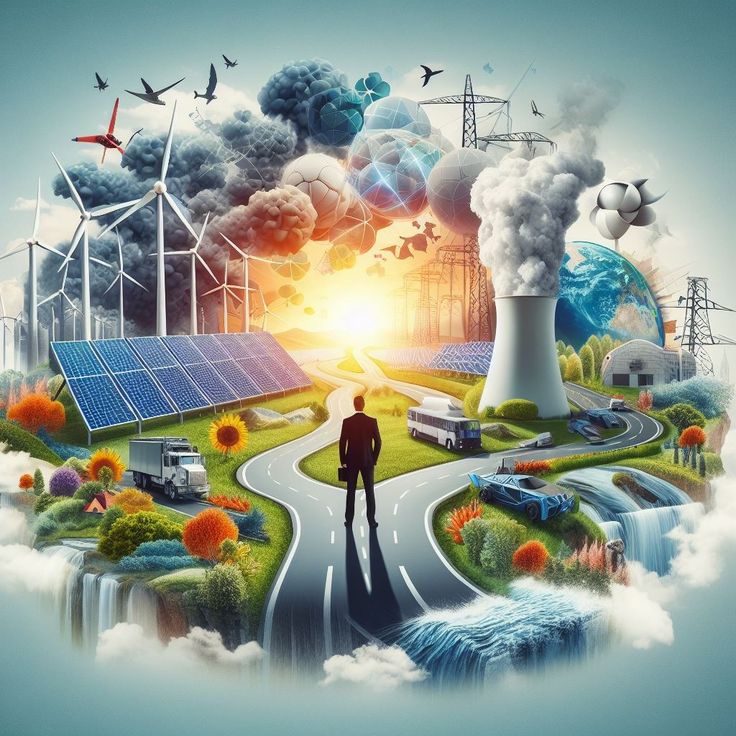
Understanding the Energy Revolution
The energy revolution represents a pivotal transformation in how society generates and consumes energy, driven largely by the urgent need for sustainable practices. At its core, this movement involves a shift from reliance on fossil fuels, which have historically dominated the energy landscape, toward renewable energy sources such as wind, solar, and hydroelectric power. This transition is not merely a technological upgrade; it signifies a fundamental rethinking of our approach to energy—one that emphasizes sustainability, efficiency, and resilience.
This evolution in energy practices is crucial for global sustainability, as the negative impacts of fossil fuels—environmental degradation, greenhouse gas emissions, and resource depletion—continue to escalate. The historical reliance on these non-renewable resources has led to pressing challenges, such as climate change and pollution, which threaten ecosystems and human well-being alike. Therefore, adopting renewable energy solutions is essential not only for mitigating climate change but also for fostering a more sustainable and equitable energy system for future generations.
Moreover, the energy revolution embodies the need for systemic changes in our energy consumption patterns. It calls for innovative policies, investment in clean technologies, and a cultural shift toward energy conservation. By prioritizing renewable energy, we can enhance energy security while creating economic opportunities in new sectors. Ultimately, the energy revolution is not just about a change in energy sources; it is about reimagining what energy means for our society, urging us to embrace practices that respect both the planet and its inhabitants.
Current State of Renewable Energy
The current landscape of renewable energy is marked by significant advancements and increasing adoption, driven by a global urgency to combat climate change and reduce reliance on fossil fuels. Among the various types of renewable energy sources, solar and wind power have emerged as frontrunners in both growth and efficiency. According to recent data, the capacity for solar energy generation has expanded exponentially, partly due to declining costs of photovoltaic (PV) technology and improvements in energy storage solutions. Currently, solar power is not only feasible but is becoming one of the most cost-effective forms of electricity generation.
Wind energy has also seen impressive growth, with both onshore and offshore wind farms contributing substantially to energy grids worldwide. Innovations in turbine design and materials have enhanced the efficiency of wind energy generation, making it a reliable alternative to traditional energy sources. The offshore wind sector, in particular, is poised for rapid expansion, with numerous projects underway that promise to harness stronger and more consistent wind resources.
Hydroelectric power remains one of the oldest and most established renewable energy sources, contributing a significant share of global electricity generation. Recent developments, such as small-scale hydro installations and innovative technologies for maximizing output from existing dams, have revived interest in this sector. Geothermal energy, although less widespread, is becoming increasingly recognized for its potential. Technological advancements have enabled deeper drilling and enhanced geothermal systems, which allow for harnessing heat from the Earth’s interior more effectively.
In this context, the collective growth of these renewable energy sources illustrates a marked shift towards sustainable energy solutions. The integration of advanced technologies across solar, wind, hydroelectric, and geothermal energy sectors demonstrates their viability and underscores the importance of continued investment in renewables to ensure a sustainable energy future.
The Drivers Behind the Energy Transition
The energy transition towards renewable power is being propelled by a multifaceted array of factors encompassing economic, environmental, and social dimensions. One of the most significant drivers is the economic viability of renewable energy technologies, which have been steadily declining in cost. For instance, the price of solar and wind energy has dropped significantly over the past decade, making them competitive with traditional fossil fuels in many regions. This reduction in cost not only enhances accessibility but also stimulates investment and innovation within the renewable energy sector.
Moreover, environmental concerns are at the forefront of this transition. The pervasive impacts of climate change, evidenced by extreme weather events and rising global temperatures, have intensified the urgency to reduce greenhouse gas emissions. As a result, many governments around the world have implemented policies aimed at promoting cleaner energy alternatives. This includes setting ambitious renewable energy targets, providing financial incentives for green technologies, and imposing stricter regulations on carbon emissions. Such policies not only assist in building a sustainable energy framework but also align with international commitments like the Paris Agreement.
Social influences also play a critical role in driving this transition. There is a growing public demand for environmentally friendly energy solutions, as consumers become increasingly aware of the health implications of fossil fuel usage and the importance of sustainability. Community initiatives advocating for local renewable energy projects are gaining traction, further cementing the shift towards greener energy sources. The combination of public support, government initiative, and economic feasibility is creating a robust platform for the advancement of renewable energy worldwide.
Challenges in the Race for Renewable Power
The transition to renewable energy resources is significantly hampered by several challenges that impact the pace and effectiveness of this transformation. One of the key barriers is the existing energy infrastructure, which was primarily designed to accommodate fossil fuels. Upgrading or replacing this infrastructure requires substantial investment and careful planning, often leading to delays in the deployment of renewable technologies.
Energy storage is another critical challenge that must be addressed to ensure a reliable supply of power from renewable sources such as wind and solar energy. Unlike traditional energy sources, which can provide continuous power, renewable energy generation is intermittent. Without advanced energy storage solutions, including batteries and other technologies, it becomes difficult to balance supply and demand effectively. This intermittency complicates the integration of renewable energy into the existing grid systems, creating potential stability issues.
Financial constraints also pose a significant obstacle in the renewable sector. While the cost of renewable technologies has decreased markedly in recent years, initial investment costs remain high, particularly for large-scale solar and wind farms. Financial support, in the form of government incentives or private investment, is often necessary to catalyze wider adoption. However, access to funding can vary greatly by region and may be hindered by economic fluctuations or political resistance.
Moreover, regulatory hurdles are often encountered, as many regions are still governed by policies that favor fossil fuels over renewables. The complexity and variability of regulations can create uncertainty for investors and developers, resulting in a slower rollout of renewable projects. Effective policy frameworks and incentives are essential to overcoming these regulatory challenges and accelerating the transition to a cleaner energy future.
Innovations and Technologies Paving the Way
The advancements in renewable energy technologies are fundamentally reshaping the energy landscape. Various innovations have emerged that not only enhance energy generation but also improve efficiency and accessibility. A significant breakthrough in energy generation is the development of advanced solar panels. These panels utilize photovoltaic technology that converts sunlight directly into electricity more efficiently than previous models. Innovations like bifacial solar panels, which capture sunlight on both sides, are pushing the boundaries of solar power potential.
Moreover, wind energy is benefiting from increased turbine efficiency. The latest generation of wind turbines, with larger rotor diameters, can harness wind energy more effectively, providing greater energy output even in lower wind speeds. Furthermore, offshore wind farm installations are becoming more prevalent, taking advantage of stronger wind patterns over the ocean to generate substantial amounts of clean energy.
Energy storage solutions are equally crucial in the renewable energy revolution. The advancements in battery technology are notable, with lithium-ion batteries being at the forefront. These batteries offer higher energy density and longer life cycles, making them ideal for storing energy generated from intermittent sources like solar and wind. Additionally, innovations such as solid-state batteries and flow batteries are under development, promising even better performance and safety for future applications.
Smart grid technology plays a pivotal role in integrating renewable energy sources into existing energy systems. Smart grids utilize digital communication technology to monitor and manage the flow of electricity, ensuring better efficiency and reliability. They can automatically adjust to changes in energy supply and demand, facilitating a more resilient energy infrastructure capable of supporting increased renewable energy usage.
Global Case Studies of Successful Transitions
Several countries have successfully transitioned toward renewable energy, exemplifying the potential benefits and strategies applicable to other nations. Among these, Denmark stands out for its pioneering efforts in wind energy. By investing heavily in wind turbine technology, Denmark has become a global leader in renewable power generation, producing about 47% of its electricity from wind in 2019. The government’s commitment to renewables has not only reduced carbon emissions but has also created thousands of jobs in the sector. This case highlights the importance of government support, public acceptance, and technological innovation in achieving energy transition goals.
Another notable example is Germany, which initiated its Energiewende (“energy transition”) policy aimed at reducing fossil fuel dependence and increasing renewable energy use. Germany’s strategy included investing in solar and wind energy, implementing feed-in tariffs to ensure fixed payments for renewable energy producers, and enhancing energy efficiency measures. As a result, Germany managed to cover about 42% of its electricity consumption with renewables by 2019. This case demonstrates the significance of comprehensive policy frameworks, financial incentives, and robust public infrastructure to facilitate a successful energy transition.
Sweden also serves as an exemplary case. The country has successfully reduced its greenhouse gas emissions by 26% from 1990 levels, primarily through the extensive use of biofuels and hydropower. The Swedish government adopted an ambitious goal to achieve 100% renewable energy by 2040. Sweden’s approach emphasizes community engagement and educational campaigns to garner public support and encourage conservation practices. Such community involvement is crucial in maintaining momentum for renewable energy initiatives.
These case studies illustrate that transitioning to renewable energy sources is feasible and beneficial for economies and environments. By analyzing the strategies and lessons learned from these countries, other nations can adopt tailored approaches to their energy challenges, paving the way for a sustainable future.
The Role of Policy and Government Initiatives
Government initiatives and policies play a pivotal role in fostering the adoption and development of renewable energy sources. By implementing incentives such as tax credits, subsidies, and grants, governments can stimulate investment in renewable technologies, thereby accelerating the transition from fossil fuels to sustainable energy solutions. A critical component of these initiatives is the establishment of regulatory frameworks that encourage the integration of renewable energy into national and local energy grids.
Various countries have adopted distinct approaches to promoting renewable energy. For instance, Germany’s Energiewende, or “energy transition,” emphasizes a gradual phase-out of nuclear energy and increased reliance on renewable sources such as wind, solar, and biomass. This policy shift has not only led to significant growth in the renewable sector but has also inspired other nations to follow suit. Similarly, in Denmark, ambitious policies have helped make the country a global leader in wind energy, demonstrating how cohesive government strategies can yield tangible results.
On the other hand, countries with less commitment to renewable policies have seen slower progress. In contrast to the aforementioned examples, certain regions rely heavily on fossil fuel subsidies, which can undermine efforts to expand renewable energy infrastructure. Effective policy-making must take into account both the economic and environmental aspects of energy transition, addressing barriers that hinder the widespread adoption of renewable sources.
In addition to financial incentives, public awareness campaigns and educational programs are crucial for shifting societal attitudes toward renewable energy. Governments must engage with communities, showcasing the long-term benefits of transitioning to sustainable energy, both in terms of environmental stewardship and economic resilience. Through a multifaceted approach, including legislation, financial support, and public engagement, governments worldwide can significantly influence the pace and effectiveness of the renewable revolution.
Future Trends and Predictions in Renewable Energy
The renewable energy sector is on the brink of significant transformation, driven by advancements in technology, policy changes, and a growing commitment to sustainability. Over the next few decades, we can anticipate an unprecedented acceleration in the adoption of renewable energy sources such as solar, wind, and hydropower. According to various studies, it is projected that global renewable energy generation could increase by more than fourfold by 2040, accounting for a substantial share of total energy consumption.
One prominent trend is the enhancement of energy storage technologies, which are crucial for balancing supply and demand in renewable energy systems. Battery technologies, particularly lithium-ion batteries, are becoming more efficient, affordable, and widely available. Furthermore, advancements in grid management systems will facilitate the integration of renewable energy sources, allowing for a more resilient and flexible energy infrastructure.
Moreover, the incorporation of artificial intelligence and machine learning in energy management is set to revolutionize how energy is produced and consumed. These technologies will enable predictive analytics to optimize resource allocation and improve the efficiency of energy systems, minimizing waste and maximising output.
Investments in renewable energy are anticipated to grow significantly, driven by both government policies and private sector interests. Stronger regulatory frameworks will likely promote investment in clean energy technologies, while innovations and economies of scale will reduce costs. As the world shifts away from fossil fuels, it is expected that new business models, such as community solar projects and energy-as-a-service offerings, will emerge, empowering consumers and businesses alike to participate actively in the energy transition.
As renewable energy sources become more predominant, we may witness a substantial reduction in greenhouse gas emissions, directly addressing climate change concerns. Additionally, the shift could reshape global energy markets, leading to increased energy independence for various nations. This evolving landscape presents both challenges and opportunities, underscoring the importance of continued research, investment, and collaboration in the renewable energy sector.
Taking Action: What Individuals Can Do
The transition toward renewable energy is not solely the responsibility of governments or corporations; individuals play a crucial role in driving this energy revolution. By adopting specific actions, individuals can contribute significantly to the shift from fossil fuels to sustainable power sources. One of the primary steps individuals can take is to become informed consumers. Understanding how energy is produced and used empowers people to make smarter choices. Educating oneself about the different types of renewable energy, such as solar, wind, and hydropower, provides a solid foundation for making informed decisions.
Another effective way to advocate for renewable energy is by participating in community initiatives. Local advocacy groups often lead projects aimed at promoting sustainable energy solutions and can benefit from increased public support. Individuals can join these groups or volunteer for events that raise awareness about renewable energy initiatives. Community solar projects can also be a way to invest in renewable sources without the need for individual solar installations.
Furthermore, lifestyle changes can have a substantial impact on energy consumption. Simple actions, such as reducing energy usage at home by employing energy-efficient appliances, using LED light bulbs, and improving insulation, can contribute to a larger collective reduction in demand for nonrenewable resources. Additionally, embracing public transport, cycling, or walking instead of driving reduces fossil fuel dependency and promotes a cleaner environment.
Lastly, advocating for policy change by contacting local representatives to support renewable energy legislation is critical. Individuals can also participate in public forums or consultations on energy policy, ensuring their voices are heard in discussions about future energy strategies. By combining education, community action, lifestyle modifications, and advocacy, individuals can play a pivotal role in the renewable energy revolution.