

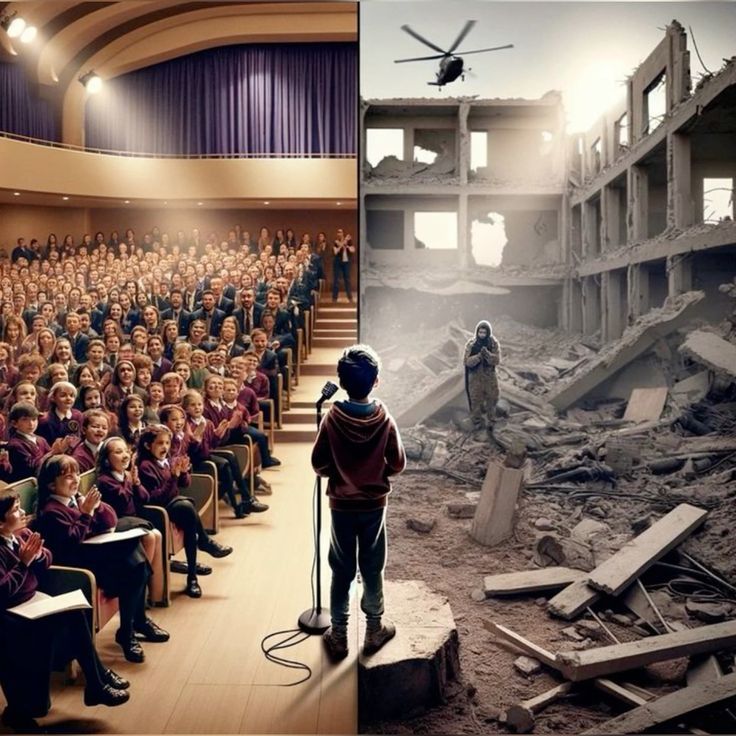
Conflict zones are areas within a country or region where violent disputes arise, often due to political, ethnic, or territorial disagreements. The dynamics in these zones are typically complex, as they may involve state actors, non-state groups, and external influences that further complicate the situation. These conflicts can lead to large-scale humanitarian crises, resulting in displacement of communities, violations of human rights, and devastating effects on local economies.
The reasons behind conflicts are multifaceted. Economic disparities, social injustices, ethnic tensions, and political repression are just a few roots that can trigger such confrontations. Moreover, globalization has increased the interconnectedness of various regions, leading to conflicts that may not remain confined to their origin points. Local populations in these conflict zones frequently find themselves at the epicenter of these struggles, suffering the consequences of decisions made well beyond their immediate surroundings.
As warfare and violence escalate, the humanitarian impact becomes increasingly dire. Thousands of individuals are forced to flee their homes, resulting in refugee crises that put further strain on neighboring nations and humanitarian organizations. Access to essential services such as healthcare, education, and clean water becomes severely limited, exacerbating the already dire conditions that these populations face. Understanding these contexts is critical, as it sheds light on the urgent need for humanitarian assistance and support.
This blog post aims to elevate lesser-known voices from these conflict zones. By sharing their stories, we create an opportunity for awareness and understanding, allowing the challenges faced by local communities to be acknowledged and addressed. Through these narratives, we can hope to foster compassion and drive meaningful action to alleviate suffering in conflict-affected areas.
Unheard Voices: The Importance of Personal Stories
In conflict zones around the world, where human suffering is often reduced to mere statistics, the personal stories of individuals remain crucial. These narratives breathe life into the numbers, illustrating the realities behind the headlines. By sharing individual experiences, we transition from a detached view of conflict to an intimate understanding of its impact on human lives. Through these personal accounts, we can grasp the complex web of emotions, struggles, and resilience that exist amid chaos.
Personal stories serve to humanize the often abstract discussions surrounding conflict. For instance, rather than simply recognizing that thousands have been displaced, hearing from a mother who fled her home can evoke compassion and empathy. Such narratives reveal the deeper layers of pain and hope, fostering a connection between the observer and the observed. This connection is essential in cultivating a humanitarian response to crises. When individuals see the faces behind the statistics, they are more likely to engage in meaningful dialogue and advocacy, promoting the need for change.
Storytelling is a powerful tool in the realm of activism. By amplifying unheard voices, activists can challenge dominant narratives that often overlook marginalized communities. These personal stories can inspire action, mobilizing others to address injustices and advocate for solutions. Furthermore, sharing these experiences can raise awareness, ultimately changing public perception and policy regarding conflict zones. The compelling nature of a well-told story can spark interest and a desire to learn more about the issues at hand. Thus, individual narratives play a pivotal role in not only highlighting the complexities of conflict but also empowering communities to reclaim their narratives.
Case Studies of Underreported Conflicts
Many conflicts around the globe remain underreported, with the narratives of those affected often overlooked. One such region is the Sahel, a semi-arid area stretching across several countries in West Africa, where violence has surged due to the presence of extremist groups and inter-communal tensions. The United Nations estimates that over 18 million people in the Sahel face acute food insecurity, exacerbated by armed conflicts. The struggles of communities in Mali, Niger, and Burkina Faso reveal stories of resilience amidst chaos that rarely capture the limelight.
Another underreported conflict is occurring in the Central African Republic (CAR). Since 2013, the country has been engulfed in violence between various armed groups, leading to a humanitarian crisis that affects millions. As of 2022, approximately 2.3 million people were displaced within the country. Survivors from various ethnic communities share harrowing experiences of violence, their livelihoods disrupted, and basic services rendered inaccessible. Reports detail the plight of women and children, who bear a disproportionate brunt of the ongoing conflict. Voices from CAR emphasize the urgent need for international attention.
Myanmar’s turmoil, particularly following the 2021 military coup, has also drawn limited coverage. Protests, civil disobedience, and armed resistance from ethnic groups have resulted in significant civilian casualties and displacement. According to the United Nations, over 1.2 million people have been displaced within the country, facing dire humanitarian conditions. The stories from ethnic minorities such as the Rohingya and Kachin reflect profound resilience and the struggle for dignity amidst systemic oppression. These communities present powerful narratives that merit greater recognition.
Women’s Voices in Conflict Zones
In conflict zones around the world, women often bear the brunt of violence and instability. Their experiences are shaped not only by the chaos of warfare but also by the pervasive challenges of gender-based violence. Displacement due to armed conflict disproportionately affects women, often resulting in loss of community, family separation, and vulnerability to exploitation. Women frequently find themselves at risk of sexual violence; it is an appalling reality that frequently accompanies conflicts.
Despite these challenges, women in conflict zones emerge as vital contributors to peacebuilding and community resilience. Their roles often go unnoticed, yet they play critical parts in mediating conflicts, advocating for their rights, and sustaining their communities. Research indicates that when women are involved in peace processes, the resulting agreements tend to be more durable and inclusive. This connection between women’s involvement and successful peace initiatives is critical, as it underscores the need for their voices to be heard in political dialogue.
Women also engage in creative and resourceful solutions, organizing grassroots movements that address both immediate safety issues and long-term socio-economic needs. They lead initiatives that foster community cohesion, provide essential services, and promote education, particularly in areas where resources are scarce. This ability to mobilize and adapt speaks to a resilience that is often overlooked in discussions of conflict.
Ultimately, the narratives of women in conflict zones illustrate a complex interplay of victimization and empowerment. They do not merely endure; they resist, innovate, and lead. Recognizing and amplifying these voices is essential in understanding the multifaceted impact of conflict on communities, and for fostering future peace efforts that are equitable and representative of all members of society.
Youth in Conflict: Rising Amidst Ruins
The lives of youth in conflict zones are often characterized by challenges that can seem insurmountable. Despite the devastation surrounding them, many young individuals exhibit remarkable resilience and innovation. This spirit of perseverance is evident in various stories from regions afflicted by war and unrest, where young people are not merely passive victims but active changemakers in their communities.
Education remains a cornerstone for these youth, serving as both an aspiration and a pathway to a brighter future. However, access to educational resources is frequently disrupted by violence, causing many to adapt and create alternative learning environments. Community centers, makeshift schools, and online platforms have emerged as crucial alternatives that facilitate education in conflict settings. These initiatives showcase the youth’s tenacity in pursuing knowledge while simultaneously providing a space for social interaction and psychological support, which are vital for their development.
Moreover, many young people are becoming involved in peace-building and advocacy efforts. Through grassroots organizations and youth-led movements, they are addressing the pressing issues faced in their communities. Industry innovations, such as digital storytelling and social media engagement, have allowed these young voices to reach a broader audience, raising awareness about their situations and advocating for change. This transformative action emphasizes the significant impact that youth can have, even in the direst circumstances.
Nevertheless, the journey is fraught with obstacles, and it is imperative to highlight the role of external support systems. NGOs and international organizations are increasingly focusing on educational and social programs tailored for youth in conflict zones. By investing in these initiatives, the international community can empower young people, enabling them to build a sustainable future for themselves and their societies.
The Role of NGOs and Grassroots Organizations
Non-governmental organizations (NGOs) and grassroots movements play a pivotal role in illuminating the often silenced voices from conflict zones. These entities work tirelessly to advocate for those affected by violence and instability, providing a platform for stories that would otherwise remain unheard. By doing so, they not only amplify the narratives of individuals in these regions but also bring critical attention to underreported conflicts.
Several organizations exemplify the impactful work being done in this space. For instance, International Crisis Group is dedicated to analyzing and advocating for the resolution of conflicts worldwide. Their comprehensive reports and briefings provide valuable insights into the dynamics of geopolitical tensions, often highlighting grassroots accounts that may be overlooked by mainstream media. Similarly, Doctors Without Borders addresses the humanitarian crises resulting from conflicts, showcasing firsthand testimonials from affected individuals, which raises awareness and fosters compassionate responses from the global community.
Grassroots organizations further contribute to this cause by mobilizing local communities to document their experiences and advocate for their rights. These movements often employ innovative strategies such as community-based reporting, which empowers individuals to share their stories through various media platforms. By utilizing social media channels, these organizations are able to reach wider audiences, transcending geographic boundaries and influencing public discourse on conflict-related issues.
Furthermore, NGOs often collaborate with local journalists and community leaders to ensure authenticity and cultural sensitivity in the storytelling process. Such partnerships not only enhance the credibility of the narratives but also ensure that the voices are representative of the communities affected. Through these efforts, NGOs and grassroots organizations are essential to fostering a more nuanced understanding of conflicts, urging stakeholders to take informed actions towards peace and justice.
Media Representation and Its Impact
The portrayal of conflict zones in mainstream media often shapes public perception in powerful ways. Traditional media narratives typically focus on major events—battles, political upheavals, or humanitarian crises—leading to a fragmented understanding of the complexities inherent in these environments. This selective coverage can overshadow the personal stories and nuanced realities of individuals living within conflict-affected areas. While high-profile incidents can provide necessary insights into the severity of the situations, they frequently neglect the everyday struggles faced by civilians. Consequently, the media’s narrow lens can foster a binary narrative that simplifies the multifaceted nature of conflict. These representations often emphasize violence and despair, sacrificing the opportunity to amplify diverse voices that reflect resilience and hope. Moreover, this limited viewpoint can influence policy decisions and international responses, leading to a lack of support for grassroots initiatives that could foster long-term peace and stability. When only a narrow slice of the situation is visible to the public, the vital experiences and opinions of local populations remain unheard, endangering the possibility of sustainable solutions. It is crucial, therefore, to advocate for diverse storytelling approaches that include the perspectives of individuals directly affected by conflicts. Incorporating local narratives enriches the broader discourse surrounding war and peace, offering a fuller picture that honors human experiences beyond mere statistics or soundbites. Encouraging media organizations to prioritize such diverse voices will ultimately contribute to more informed global discussions and empathetic understandings of complex issues arising from conflict zones. By expanding the scope of how conflict is reported, the media can help to dismantle stereotypes, promote empathy, and support meaningful change in impacted communities.
How to Support Hidden Stories
Supporting the voices from conflict zones is crucial in amplifying their narratives and fostering global awareness. One of the most impactful ways to contribute is through advocating for policy changes at local, national, and international levels. Engaging with political representatives and urging them to prioritize human rights and humanitarian aid can lead to significant improvements in the lives of those affected by conflict. Individuals can participate in advocacy campaigns or support organizations focused on policy reform to enhance the visibility of these critical issues.
In addition to advocacy, philanthropy plays a vital role in sustaining programs that uplift communities in distress. Donating to organizations that work directly with at-risk populations can provide necessary resources for education, healthcare, and economic development. Many nonprofits are dedicated to rebuilding lives in conflict-affected regions. A well-researched donation can significantly impact the availability of essential services and support systems in these areas. Individuals may also consider starting fundraisers or awareness events to further aid in the mission of these organizations.
Education is another powerful tool in supporting hidden stories. Taking the initiative to inform oneself and others about the complexities of conflict often fosters empathy and solidarity. This can take the form of sharing articles, documentaries, or books that discuss the nuances of life in conflict zones. Hosting discussions or workshops can also help to expand conversations around these topics, shedding light on various perspectives and experiences. By helping to create a more informed community, individuals can inspire others to join in supporting underrepresented voices.
Overall, through policy advocacy, financial support, and education, individuals can actively contribute to amplifying the hidden stories originating from conflict zones and help communities rebuild their lives.
Conclusion: The Duty of Awareness and Action
As we reflect upon the complexities and multifaceted narratives within conflict zones, it becomes increasingly evident that awareness is not merely an obligation, but a fundamental duty for those living in more stable regions. Recognizing and listening to the hidden stories from these often-forgotten areas sheds light on the daily realities faced by individuals and communities impacted by war and violence. These narratives are not just statistics; they represent lives, struggles, and aspirations that deserve our attention and respect.
Our engagement extends beyond passive acknowledgment. It is essential to actively share these stories, bringing visibility to the voices that the mainstream media frequently overlooks. By amplifying the experiences of marginalized groups, we contribute to a more comprehensive understanding of global conflicts. This awareness fosters empathy, prompting individuals and communities to stand in solidarity with those affected by strife. Moreover, it ignites a collective responsibility to advocate for justice and human rights.
In an era driven by social media and instantaneous information, we have unprecedented opportunities to raise awareness and mobilize action. Whether through online platforms, community initiatives, or educational outreach, we can bridge the gap between disparate experiences and prompt conversations surrounding the plight of those in conflict zones. Further, engaging with organizations that work directly in these regions can empower us to support initiatives aimed at healing and restoration.
Ultimately, our responsibility does not end with awareness. The fight for dignity, rights, and recognition of those affected by conflict is ongoing, requiring sustained attention and action. As informed global citizens, remaining vigilant and proactive in these matters is essential for building a more just and compassionate world.