

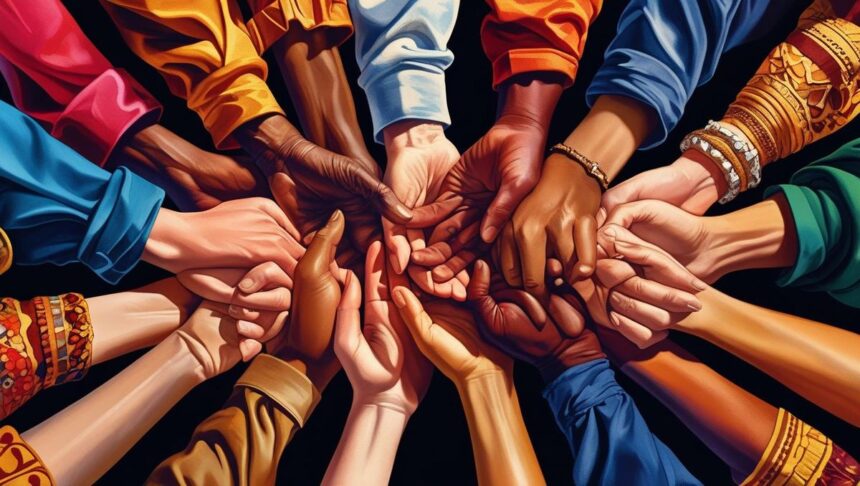
Assimilasjon is a term that evokes a spectrum of emotions and ideas. It represents the complex process where individuals from different cultures come together, forging new identities while navigating their heritage. In our increasingly globalized world, understanding Assimilasjon becomes crucial as communities blend and evolve.
This journey isn’t just about merging traditions; it’s about creating spaces for dialogue, connection, and growth. As we delve deeper into the concept of assimilasjon, we’ll explore its history, the challenges it presents, and its potential to enrich societies. Let’s uncover how this intricate dance between cultures can lead to both harmony and conflict in today’s diverse landscape.
The History of Assimilation
Assimilasjon has deep historical roots, shaping societies across the globe. From ancient times, when tribes merged through marriage and trade, to modern nation-states seeking unity amid diversity, the process has evolved significantly.
In many cases, Assimilasjon was driven by colonization. Indigenous peoples faced immense pressure to adopt foreign languages and customs as empires expanded their reach. These encounters often resulted in profound cultural shifts.
The 19th and 20th centuries saw waves of immigration where newcomers were encouraged—sometimes forced—to embrace the dominant culture. Policies aimed at integration emerged alongside societal tensions over identity.
Yet, not all efforts at Assimilasjon succeeded or were welcomed. Resistance from marginalized communities sparked movements advocating for cultural preservation and recognition of individual identities. This ongoing dialogue reflects a complex history interwoven with power dynamics and human resilience.
Challenges and Controversies Surrounding Assimilasjon
Assimilasjon is often met with skepticism and pushback. Many fear that it erases cultural identities, leading to a homogenized society. This concern can spark heated debates about the balance between integration and preservation.
Language barriers pose another significant challenge. When newcomers are expected to adopt the dominant language quickly, they may feel alienated or undervalued. Communication becomes critical in fostering connections but can be fraught with misunderstandings.
Moreover, policies promoting assimilation sometimes neglect historical injustices faced by marginalized groups. These communities may view such efforts as attempts at coercion rather than invitations for inclusion.
Resistance also arises when established populations perceive threats to their own cultural norms and values. Fear of losing one’s identity can lead to tension between groups striving for acceptance and those wanting to maintain tradition without compromise.
These complexities highlight why discussions around assimilasjon must remain sensitive and nuanced.
Positive Effects of Assimilasjon on Communities
Assimilasjon can foster unity within diverse communities. When individuals from different backgrounds come together, they often create a rich tapestry of shared experiences and perspectives. This blending encourages cooperation and mutual understanding.
Economic growth is another benefit. As newcomers integrate into the workforce, they contribute unique skills and ideas, stimulating innovation and entrepreneurship. Local businesses thrive on this diversity.
Education also sees positive impacts. Cultural exchange enhances learning environments by broadening worldviews among students. It cultivates empathy, making classrooms more inclusive.
Social cohesion emerges as well. Community events celebrating various cultures promote dialogue and friendships across demographic lines. These interactions can dissolve stereotypes, paving the way for stronger relationships among residents.
Assimilasjon nurtures vibrant neighborhoods where cultural differences are celebrated rather than shunned.
Negative Effects of Assimilasjon on Cultures
Assimilasjon often leads to the erosion of unique cultural identities. As individuals adopt the dominant culture’s language, customs, and values, their original traditions may fade away. This loss can create a sense of disconnection from one’s heritage.
Communities that once thrived on diversity might start to feel homogeneous. The richness brought by varied perspectives diminishes when people conform to a single narrative.
Moreover, marginalized groups may experience pressure to abandon their cultural practices in favor of mainstream acceptance. This not only breeds resentment but also perpetuates cycles of inequality and misunderstanding.
Art forms, languages, and ancestral knowledge risk extinction as younger generations prioritize Assimilasjon over preservation. When cultures blend too seamlessly without acknowledgment or appreciation for differences, society loses its vibrancy and depth.
Such transformations can foster feelings of alienation among those who strive to maintain their distinctiveness while navigating an increasingly uniform world.
Strategies for Successful Assimilasjon
Successful assimilasjon requires a thoughtful approach. First, fostering open communication is essential. Encourage dialogue between different cultural groups to build understanding and trust.
Education plays a crucial role as well. Programs that teach about diverse cultures can help dispel stereotypes and promote inclusivity. Workshops on cultural competence can empower individuals to navigate differing perspectives with respect.
Community engagement initiatives also facilitate stronger ties. Organizing local events where various cultural backgrounds are celebrated fosters unity and appreciation for diversity.
Mentorship programs can provide support for newcomers, helping them acclimate while maintaining their unique identities. This dual focus encourages shared experiences without losing one’s roots.
Involving local leaders in the process ensures that assimilasjon strategies align with community values and needs, creating a more cohesive environment for everyone involved. Each of these elements contributes to smoother transitions and richer interactions among diverse populations.
Conclusion: The Importance of Cultural Understanding and Respect in the Process of Assimilasjon
Cultural understanding and respect play a crucial role in the assimilasjon process. As individuals from different backgrounds come together, it is essential to recognize and honor each other’s histories, beliefs, and traditions. This mutual respect fosters an environment where everyone feels valued.
When communities embrace cultural diversity while working towards assimilasjon, they create a richer tapestry of experiences. People can learn from one another, leading to innovation and creativity that benefits society as a whole. It’s about finding common ground without erasing unique identities.
Education also plays a vital part in this journey. Teaching people about different cultures promotes empathy and reduces prejudice. When individuals understand where others are coming from, barriers often dissolve.
Moreover, successful assimilasjon involves open dialogue among community members. Sharing stories creates connections that transcend cultural differences. These conversations help dispel myths and encourage collaboration.
Fostering an inclusive atmosphere allows for healthy integration while preserving distinct identities within the community framework. Through understanding and respect, societies can navigate the challenges of assimilasjon more effectively.
The path ahead relies on our collective commitment to embracing diversity with kindness at its core.