
The Importance of a Clean and Organized Home
Maintaining a clean and organized home is essential for promoting mental well-being, enhancing productivity, and ensuring overall health. The environment in which individuals live greatly influences their state of mind and emotional balance. A tidy home fosters a sense of peace, reduces anxiety, and creates an atmosphere conducive to relaxation and focus. When clutter accumulates, it can lead to feelings of being overwhelmed, which may hinder one’s ability to concentrate on important tasks.
Research has shown that a disorganized environment can lead to increased stress levels and decreased motivation. Clutter can serve as a constant reminder of unfinished tasks and responsibilities, creating mental distractions that detract from productivity. Conversely, a clean space allows individuals to think more clearly, effectively manage their time, and tackle their daily responsibilities with a positive outlook.
A clean and organized home also contributes to physical health. Regular cleaning routines can help minimize allergens, bacteria, and other harmful elements that may affect indoor air quality. This is particularly important for individuals with respiratory issues or allergies. Furthermore, in an organized setting, maintaining cleanliness becomes easier, reducing the likelihood of procrastination and enabling individuals to create a healthier living environment.
The psychological benefits of having a tidy home cannot be overstated. The act of organizing one’s space can instill a sense of control and accomplishment, bolstering self-esteem. Additionally, a clean home may contribute to improved relationships among household members, as a harmonious environment reduces conflicts arising from chaos and disorganization. In essence, investing time and effort into maintaining a clean and organized home pays dividends, enhancing both mental and physical well-being.
Creating a Daily Cleaning Routine
Establishing a daily cleaning routine is essential for maintaining a clean and organized home. The key is to set manageable tasks that can easily be integrated into your daily schedule. By doing so, you can prevent clutter and ensure that your space remains tidy without overwhelming yourself. Here are some steps to create an effective routine:
Begin by assessing the size of your home and the amount of time you can realistically dedicate to cleaning each day. For smaller homes or apartments, foundational tasks may only take 15 to 30 minutes. Conversely, larger homes may require a bit more time. Once you have a good understanding of your space, break down your cleaning tasks into daily segments.
A recommended approach is to assign specific tasks to each day of the week. For instance, Monday could be designated for dusting and wiping down surfaces, Tuesday for vacuuming and mopping floors, Wednesday for bathroom cleaning, Thursday for kitchen maintenance, and so on. This structured method helps distribute the workload evenly throughout the week, making it less burdensome.
Additionally, prioritize tasks based on personal schedules and the level of traffic in different areas of your home. For example, if you have pets or children, you may need to adjust the frequency of cleaning tasks to accommodate messier areas. It’s also beneficial to set aside time each evening for a quick tidy-up, which can help keep your home organized and fresh.
By implementing these steps and remaining consistent with your daily cleaning routine, you will see a significant improvement in your home’s cleanliness and organization. This will not only promote a more pleasant living environment but will also contribute to your overall well-being.
Decluttering: The Key to Organization
Decluttering is an essential practice for maintaining a clean and organized home. It goes beyond mere tidying up; it is a deliberate approach to simplify living spaces and enhance overall well-being. One effective technique is the ‘one-in-one-out rule,’ which encourages individuals to make room for new items by letting go of existing ones. Each time a new item is introduced into the home, such as clothing or decorations, an old item must be discarded or donated. This approach helps prevent accumulation of unnecessary belongings and fosters a mindset geared towards mindful consumption.
Another technique for effective decluttering is donating unused items. Many individuals find it beneficial to regularly assess their belongings, determining which items have not been utilized in the past year. Such items can be offered to local charities, thrift stores, or community organizations, contributing to those in need while simultaneously reducing clutter in one’s living space. This not only helps others but also creates a sense of satisfaction and accomplishment in decluttering.
Adopting a minimalist approach signifies embracing simplicity in one’s lifestyle. Minimalism encourages individuals to focus on quality over quantity and to value experiences over material possessions. To decide what to keep, consider whether an item serves a practical purpose or brings joy. If an item doesn’t fulfill either criterion, it may be time to discard it. Additionally, a systematic approach to decluttering can be implemented—tackling one area of the home at a time, whether it’s a room or a specific category, such as books or kitchenware, can make the process feel more manageable.
Utilizing Storage Solutions
In the pursuit of maintaining a clean and organized home, effective storage solutions play a pivotal role. By implementing various types of storage, such as bins, shelves, and drawer dividers, one can significantly enhance organization and functionality within any space. Bins are particularly versatile; they can be used in closets, under beds, or in living areas, simplifying the storage of items ranging from toys to seasonal clothing.
Shelves are another essential tool for maximizing vertical space, especially in smaller homes or apartments. Wall-mounted shelves can free up floor space while providing a decorative element. When employing shelves, it is advisable to group similar items together, ensuring easy access and reducing visual clutter. This technique aids in locating frequently used items swiftly, thereby increasing efficiency in daily routines.
Drawer dividers serve to keep smaller items, such as utensils or office supplies, neatly arranged. By segmenting drawers into distinct sections, you can prevent the ubiquitous ‘junk drawer’ that often plagues many households. Additionally, consider using clear bins within drawers to make it easy to identify contents at a glance. Labeling is also a crucial aspect of effective storage. By labeling bins and shelves, you enable every family member to find and return items to their designated locations, fostering a culture of organization.
To further maximize space in small areas, think vertically and utilize multi-functional furniture. Options such as ottomans with storage or beds with drawers underneath can add much-needed room for belongings without compromising on style or comfort. Ultimately, the successful integration of storage solutions not only streamlines organization but also contributes to a serene and inviting living environment.
Daily Habits to Maintain Cleanliness
Maintaining a clean and organized home requires consistent daily habits that can significantly contribute to a serene living environment. One of the first tasks to incorporate into your daily routine is making the bed each morning. This simple act not only sets a positive tone for the day but also instantly makes your bedroom look tidier. A neatly made bed can transform the overall appearance of the room and motivates you to keep other areas in order.
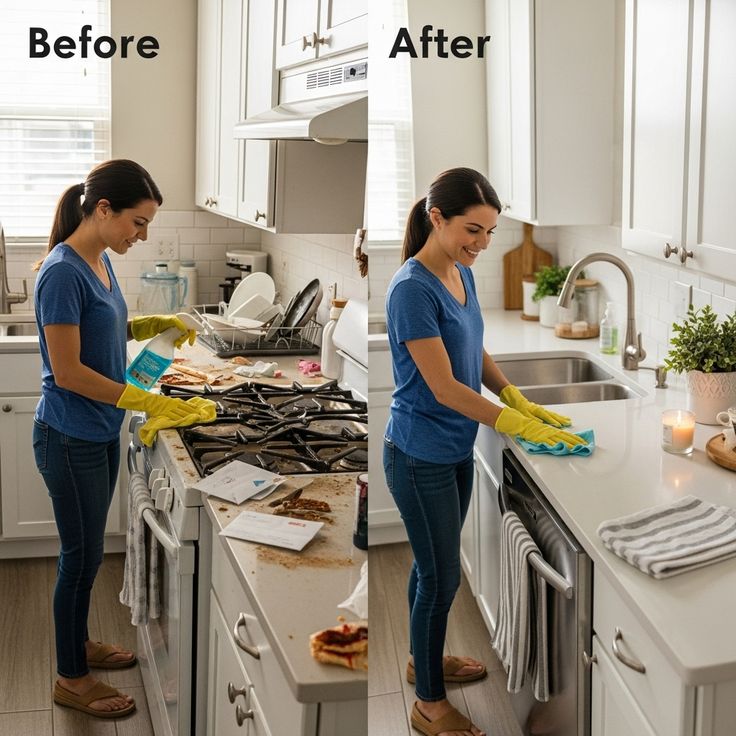
Another crucial daily habit is the practice of cleaning as you go, particularly while cooking. Instead of allowing dishes and utensils to stack up, wash them immediately after use. This approach not only minimizes mess but also streamlines your cooking process, making it more enjoyable. Additionally, regularly wiping down counters and dining tables helps to maintain hygiene and prevent the buildup of dirt and grime.
It is essential to develop a habit of putting things back in their designated places immediately after use. Whether it is clothing, books, or kitchen gadgets, returning items to their rightful spot not only enhances organization but also makes it easier to locate them in the future. Establishing specific homes for each item in your house will encourage everyone to follow this practice, fostering a shared sense of ownership over the home’s cleanliness.
Consistency is key when implementing these daily habits. Making cleanliness a priority means integrating these practices into your routine. Over time, these behaviors will become second nature, leading to a continuously clean and organized space. With dedicated effort, maintaining a clean home can become an effortless part of daily life, transforming your environment into a place of comfort and tranquility.
The Role of Time Management in Home Organization
Effective time management is a cornerstone of maintaining a clean and organized home. Without a structured approach to time, tasks such as cleaning and organizing can feel overwhelming and unachievable. By implementing practical strategies, homeowners can streamline their cleaning efforts and cultivate a more organized living space.
One of the most effective time management strategies is the use of timers. The Pomodoro Technique, for instance, encourages individuals to work for 25 minutes followed by a 5-minute break. This method not only helps to minimize distractions but also allows for focused bursts of productivity. Setting a timer can make cleaning tasks feel less daunting, transforming chores into manageable segments.
Creating a prioritization list is another invaluable tool for time management. By categorizing tasks based on urgency and importance, individuals can focus on the most pressing cleaning needs first. This list can evolve from daily to weekly to monthly, creating a comprehensive overview of household responsibilities that can help in maintaining organization over time.
In today’s digital age, various apps are designed specifically for time management and organization. Applications such as Todoist or Trello allow users to create task lists and set deadlines, ensuring that cleaning responsibilities are visible and organized. These tools often come with reminders and notifications, which can help keep users accountable and on track.
Incorporating scheduled cleaning sessions into one’s weekly routine is yet another strategic approach. By designating specific days or times for cleaning activities, individuals can cultivate a habit that endorses cleanliness and organization as an integral part of their lives rather than a sporadic chore. This prepaid time allows for not only consistent cleaning but also the opportunity to reassess and rearrange spaces as needed.
Family Involvement and Teamwork
Creating a clean and organized home is not solely the responsibility of one person; rather, it requires the collective effort of all family members. Involving everyone in cleaning and organizing tasks fosters a sense of responsibility and community, improving not only the overall cleanliness but also the family dynamic. When each member contributes, the workload lightens, making the maintenance of a clean environment more manageable and enjoyable.
Delegating tasks effectively requires consideration of the age and ability of each family member. Younger children may be tasked with simple duties such as picking up toys, putting away their books, or wiping surfaces with a damp cloth. These age-appropriate chores help children learn the importance of cleanliness while ensuring they feel included in maintaining the home. As they grow older, their responsibilities can expand to include tasks like sorting laundry or vacuuming, allowing them to develop valuable life skills.
To make cleaning a fun and engaging group activity, it’s beneficial to turn chores into a game or friendly competition. For instance, setting a timer and challenging family members to see who can pick up the most items in a given time frame can motivate everyone. Additionally, creating a family chore chart can help keep track of responsibilities and celebrate accomplishments, reinforcing positive behavior through recognition and rewards.
Establishing a cleaning schedule that incorporates regular family clean-up sessions can also promote teamwork. Choosing a designated day or time each week for all family members to participate in cleaning promotes an organized approach to home maintenance. As family members work together, they not only achieve a clean home but also nurture stronger relationships through shared experiences.
Seasonal Cleaning and Maintenance
Seasonal cleaning is an essential practice for maintaining a clean and organized home. It involves tasks that go beyond the scope of daily and weekly cleaning routines, targeting areas and items that may otherwise be neglected. Incorporating a seasonal cleaning schedule can significantly improve your living environment by ensuring that every part of your home is attended to regularly. This can range from deep cleaning carpets to organizing garage spaces that accumulate miscellaneous items throughout the year.
One common approach is to align your seasonal cleaning with the four distinct seasons. For instance, spring cleaning often emphasizes a thorough decluttering and refreshing of spaces. This is a great time to engage in activities such as washing windows, deep cleaning upholstery, and going through closets to donate unused clothing items. Summer can be focused on outdoor areas, including power washing decks and tidying up garden tools.
As autumn approaches, it is time to prepare for the colder months by servicing heating systems and cleaning out the chimney, if applicable. Special attention should be given to storing seasonal items appropriately, such as winter clothing or holiday decorations. Winter cleaning can be more about maintaining indoor air quality and organization, ensuring that all surfaces are clean and tidy, as families often spend more time indoors during this season.
Creating a seasonal checklist can be an effective way to ensure you cover all necessary tasks. This can include lists for indoor tasks like cleaning appliances, as well as outdoor tasks like clearing leaves from gutters. By committing to these seasonal cleaning practices, you will not only enhance the overall organization of your home but also create a feeling of comfort and cleanliness throughout the year.
Final Thoughts
Adopting a clean and organized home is not just about appearance; it significantly impacts mental clarity and overall well-being. Throughout this blog post, we have explored essential daily habits that contribute to a cleaner living environment. These habits include decluttering regularly, establishing consistent cleaning schedules, and creating designated spaces for all items. By incorporating these practices into your routine, you can foster an atmosphere of order and tranquility.
The journey towards maintaining a clean and organized home begins with small, manageable changes. For instance, setting aside just ten minutes each day to tidy up can lead to a substantial difference over time. These incremental improvements not only enhance the physical space but also cultivate a sense of accomplishment and pride in one’s home.
Furthermore, prioritizing cleanliness can also promote better health by reducing allergens and maintaining a more hygienic environment. A clean home can minimize stress levels, as clutter and disorganization often contribute to feelings of overwhelm. It is clear that the benefits of leading a clean lifestyle extend far beyond mere aesthetics.
As you reflect on the insights shared, consider creating a personalized plan that incorporates these habits. It is essential to set realistic goals that resonate with your lifestyle and preferences. Encourage your family members to join in this commitment, creating a collective effort towards a tidy and harmonious living space. Remember that consistency is key; over time, with dedication and adaptability, the desire to maintain an organized environment will become second nature. Embrace the transformative power of these habits, and enjoy the lasting peace and satisfaction that a clean home can provide.