

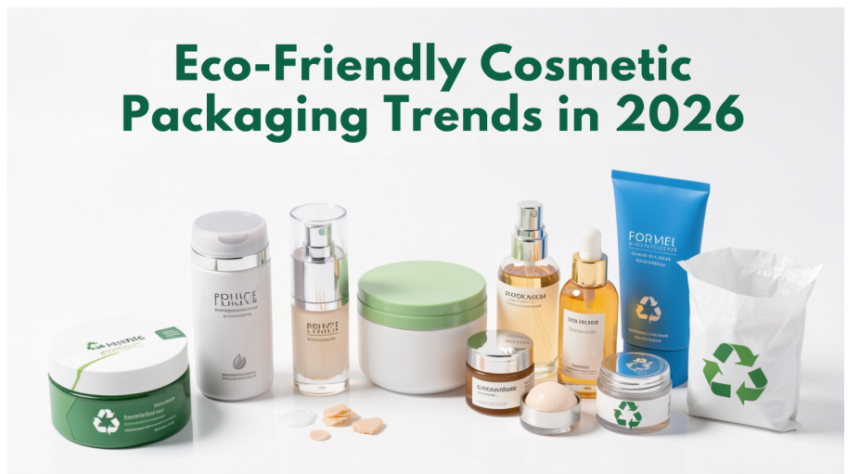
There is the pressure to make beauty brands go green by 2026. Customers are interested in sustainable packaging that will not compromise the luxury. Ideas of the best eco-friendly cosmetic packaging in 2026 combine an environmentally friendly approach with luxury.
Recent sustainable beauty product packaging trends of skincare brands reveal the dominance of plastic-free solutions on shelves. The startups require affordable environmentally friendly packing materials. Refillable cosmetic packaging is a trend pursued by luxury lines. This guide includes effective green practices that are in place.
Latest Sustainable Beauty Packaging Trends for Skincare Brands
Glass jars reoccur like never before. Aluminum tubes increase 45 percent market share over plastic. Make-up products change the sustainable packaging materials to sugarcane bioplastics that are identical in terms of performance as virgin materials. The refill stations are added to Target and Ulta all over the country. Plastic palettes have been substituted in a profitable manner by paperboard compacts.
Best Eco-Friendly Cosmetic Packaging Ideas in 2026
Mon-material packaging makes recycling to be hustle free. Polypropylene lipstick tubes are easy to sort in single types at plants. Metal capped glass bottles prevent headaches of mixed materials. The biodegradable makeup sponges break down in compost in 90 days compared to plastic eternity. After being disposed of, seed paper boxes grow wildflowers that will delight customers in a natural manner.
How to Choose Biodegradable Packaging for Cosmetics?
Look for ASTM D6400 certification proving compostability rigorously. Oxo-degradable greenwashing plastics should not be allowed to degrade into microplastics. BPI compostable certified pouches are safely meeting the standards of the California SB 54. Dissolution of test samples in backyard compost ascertaining claims really performs. Lifecycle analysis verifies actual reduced carbon on a basis other than marketing assertions.
Cost-Effective Eco-Friendly Packaging Solutions for Startups
The recycled PET is 12% cheaper than the virgin material 2026. FSC-certified paperboard is eligible for 15% B corp sustainability discounts. Minimums of startups reduce to 500 units that are equal to cash flow. Digital printing saves on plate costs saving 800 dollars in a single run. Refill pouches fit in rigid carriers which cut first shipment expenses by 28 percent dramatically.
Custom Recyclable Packaging for Organic Beauty Products
The mono-material aluminum jars are recycled indefinitely without any decline in quality. In PCr glass bottles, the content of the bottle is 75% recycled and of virgin clarity. Custom emboss emboss brand story directly into the substrate in a graceful manner. Digital refill reminders that save on waste are connected to QR codes. Custom cream packaging are optimally strategically saved 8 percent on die layouts.
Refillable Cosmetic Packaging Trends for Luxury Brands
Refill pods are sleek and made of aluminum which elegantly fits into reusable cases. A glass jar system is a magnetic induction sealing that ensures airtight performance is maintained. The timings of subscription refill are in line with the use timelines. The deposit return programs make a profit of 82 percent of containers. Refill rituals are easily accepted by luxury shoppers who share unboxing videos naturally.
Sustainable Packaging Materials for Makeup Products
Compacts made of bamboo are immune to the humidity up to 3 times more than plastic ones. The capsule of the seaweed is dissolved in water and leaves no waste. Mushroom packages develop custom packaging inserts that are of exact shape of the products. Sugarcane pulp is Agrifiber, which molds lipstick trays 40 per cent less expensive than foam. Lipstick tubes made of wood fiber operate without any trouble and are perfectly adjusted to high performance.
Cost vs Performance Reality Check
Virgin glass costs $0.87 per ounce. PCR glass drops to $0.72 saving 17%. Sugarcane bioplastic is equivalent at 0.69 per ounce. At the premium pricing of recycled content, aluminum tubes are headed at 0.58. Carbon footprint decreases by 68 percent in all the green materials at a profit.
Green Packaging Wins in Regulations
California PFAS ban kills forever chemical coating January 2026. The EU Packaging Directive requires 50 percent recycling materials by 2028. New York plastic tax is increasing at 0.04 g/l non-recyclable material. Brands that are compliant have a premium shelf space automatically. Green certifications open 23 percent premiums in wholesale prices.
Consumer Demand Drives Green Innovation
The 2026 survey by Nielsen reveals that 78 percent of millennials are willing to pay 12 percent more of sustainable packaging. Refill systems only: Gen Z wants exclusively brands in their refill systems. Tik Tok unboxing videos prefer glass + paper unboxing 41% more. A packaging is sustainable and therefore free advertising is generated by users.
Conclusion: Sustainable Packaging Wins 2026
The 2026 trends in eco-friendly cosmetic packaging are profitable at providing planet protection at consumer demands. PCR solutions, monomaterials and refillable systems are the perfect cost, luxury, and sustainability solutions.
The use of cost-effective environmentally friendly packaging solutions will enable the start-ups to compete with giants on the first day. Decades long brand loyalty through custom made recyclable packaging. Green packaging is no longer an option. It has a competitive edge that is crushing the beauty aisles.