

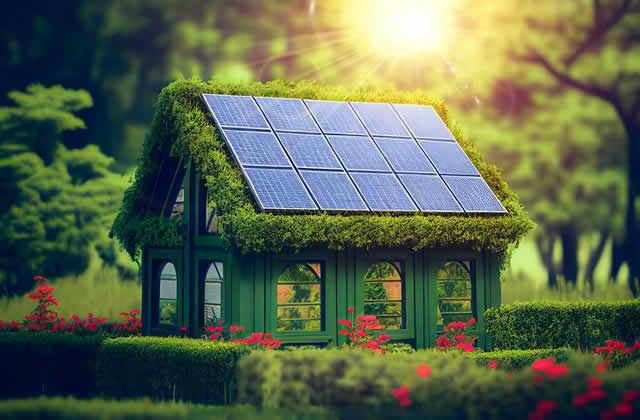
Introduction to Sustainable Living
Sustainable living refers to a lifestyle that seeks to minimize an individual’s or society’s use of the Earth’s natural resources and personal resources. As our planet faces a multitude of environmental challenges, including climate change, deforestation, and pollution, the importance of sustainable living has never been more critical. It is essential for individuals to understand that their daily choices and habits can contribute to a healthier ecosystem.
Making small changes in our homes is one of the most effective ways to embrace sustainable living. Simple modifications to our energy consumption, waste management, and resource utilization can create a significant impact. For instance, opting for energy-efficient appliances can drastically reduce electricity usage and lessen one’s carbon footprint. Furthermore, implementing waste-reduction strategies, such as composting and recycling, can divert substantial amounts of waste from landfills, thereby promoting a circular economy.
Additionally, adopting sustainable living practices can lead to long-term economic benefits. Homeowners who invest in energy efficiency can realize reduced utility bills, while those who prioritize environmental responsibility often see increased property values. Thus, sustainable living presents not only a moral obligation to protect our planet but also an opportunity for financial savings.
Incorporating plants into your living space can also promote a more sustainable environment by improving air quality and fostering a sense of well-being. Thus, the journey towards sustainable living can be holistic, affecting not only the environment but also personal health and happiness. Understanding these principles and integrating them into our daily lives is vital for cultivating a sustainable future.
Energy Efficiency in the Home
Improving energy efficiency in your home is a vital aspect of sustainable living. One of the most effective strategies is to invest in energy-efficient appliances. Such appliances are designed to consume less energy compared to their traditional counterparts, often carrying the ENERGY STAR label as a mark of certification. By utilizing these energy-efficient options, households can significantly reduce their overall energy consumption, resulting in lower utility bills and a smaller carbon footprint.
In addition to appliances, optimizing heating and cooling systems is crucial. Regular maintenance of HVAC systems ensures they operate at peak efficiency. This includes changing filters, sealing ducts to prevent air leaks, and scheduling routine professional inspections. Homeowners may also consider upgrading to programmable or smart thermostats that allow for more precise temperature control and can adapt to lifestyles, further minimizing energy wastage.
Smart home technology plays an essential role in monitoring and reducing energy consumption. Devices such as smart plugs, energy monitors, and automated lighting systems enable residents to track their energy use in real-time. With this data, homeowners can identify areas that require improvement and adjust their habits accordingly. For example, implementing timers for lights and unplugging devices when not in use can lead to measurable energy savings.
Furthermore, incorporating insulation improvements can significantly enhance energy efficiency. Properly insulated walls and attics help maintain a consistent indoor temperature, reducing the workload on heating and cooling systems. Sealing windows and doors adds an extra layer of protection against drafts, contributing to overall energy savings.
In conclusion, by focusing on energy-efficient appliances, optimizing existing systems, and utilizing smart technology, homeowners can create a more sustainable living environment. Taking these steps not only promotes energy conservation but also fosters a responsible approach to environmental stewardship.
Water Conservation Practices
Water conservation is an essential aspect of sustainable living, as it not only reduces utility bills but also helps to preserve precious natural resources. With the growing concerns regarding water scarcity and environmental impact, implementing effective water-saving practices is imperative for every household. There are several straightforward strategies that can significantly reduce water usage, creating a more eco-friendly home.
One of the first steps towards water conservation is to install water-efficient fixtures, such as low-flow showerheads, faucets, and toilets. These fixtures are designed to use significantly less water while maintaining performance levels. For instance, switching to a high-efficiency toilet can save up to 1.6 gallons per flush compared to older models. Additionally, consider adding aerators to faucets to reduce water flow without sacrificing pressure.
Landscaping choices also play a pivotal role in water conservation. Opting for native, drought-resistant plants can drastically decrease the amount of water needed for irrigation. These plants are adapted to the local climate and soil conditions, requiring minimal maintenance and watering. Furthermore, employing drip irrigation systems instead of traditional sprinklers can deliver water directly to the plant roots, minimizing evaporation and runoff.
Incorporating simple habits into daily routines can yield substantial water savings. For example, turning off the tap while brushing teeth can save several gallons each day. Additionally, collecting rainwater in barrels for outdoor use can further reduce reliance on municipal water sources. By being conscious of water usage during everyday tasks, individuals can collectively contribute to significant water savings.
Ultimately, adopting these water conservation practices fosters not only a sustainable living environment but also promotes awareness of the impact of our daily choices on precious resources. Engaging in these practices is not just beneficial for the home; it is a commitment towards responsible resource management for future generations.
Sustainable Materials for Home Décor
When embarking on a home renovation or decoration project, selecting sustainable materials can significantly impact both environmental conservation and personal health. Sustainable materials are not only beneficial for the planet, but they also offer longevity and aesthetic appeal, making them ideal choices for any home.
Bamboo flooring is one of the most popular eco-friendly options available. Known for its rapid growth, bamboo can be harvested without depleting the Earth’s resources. This durable material offers a unique visual appeal and is resistant to moisture and insects, making it an excellent choice for various rooms in a home. Moreover, its production requires less energy compared to traditional hardwood flooring, contributing to a reduction in overall carbon emissions.
Another noteworthy sustainable material is recycled content, which has gained traction in recent years. Recycled materials, such as reclaimed wood, metal, and glass, can be used in various décor elements, including furniture, countertops, and wall art. By repurposing existing materials, homeowners minimize waste and reduce the demand for new raw resources. This practice not only aids in conserving natural habitats but also brings a unique character and history to home interiors.
In addition to flooring and recycled materials, using non-toxic paints plays a crucial role in maintaining a healthy living environment. Many conventional paints emit volatile organic compounds (VOCs), which can be harmful to both health and the environment. Opting for low-VOC or no-VOC paints reduces indoor air pollution and supports sustainable practices while providing various colors and finishes to enhance home aesthetics.
Considering these sustainable materials for home décor promotes environmental stewardship and contributes to a healthier lifestyle. By choosing bamboo flooring, recycled content, and non-toxic paints, homeowners can achieve beautiful interiors that reflect a commitment to eco-friendliness and sustainability.
Waste Reduction Strategies
Minimizing waste in the home is a fundamental aspect of sustainable living. Implementing effective waste reduction strategies not only conserves resources but also reduces the environmental impact associated with waste management. One of the primary practices homeowners can adopt is recycling. Recycling involves the collection and processing of materials that would otherwise be discarded. By separating recyclables from regular waste, such as plastics, paper, and metals, residents can significantly decrease the volume of waste sent to landfills. Many municipalities offer curbside recycling programs, making it easier for residents to participate.
Another important strategy is composting. This method involves collecting organic waste, including food scraps and yard waste, and converting it into nutrient-rich compost. By composting, householders can reduce the amount of organic material in landfills, while also creating a beneficial product for gardens. There are various composting methods available, from traditional pile composting to using compost bins or kitchen composters. Even urban dwellers can participate by using small, contained systems.
Moreover, reducing reliance on single-use products is an effective way to decrease household waste. Opting for reusable items, such as shopping bags, water bottles, and food containers, can make a significant difference. Consumers are encouraged to choose products that are designed for longevity and recyclability. Simple actions like carrying a reusable grocery bag and avoiding plastic straws help diminish the total amount of waste generated.
Integrating these practices into daily life requires conscious effort and mindset shifts. Setting up recycling stations, maintaining a compost bin, and making thoughtful purchasing decisions contribute to a more sustainable home. By actively engaging in waste reduction strategies, individuals can foster a culture of sustainability within their households, ultimately benefiting the environment.
Choosing Eco-Friendly Products
In the pursuit of sustainable living, selecting eco-friendly household products is a crucial step. The importance of this decision extends beyond personal convenience; it is about safeguarding our environment and enhancing our well-being. Eco-friendly products generally have a lower environmental impact, promoting better health for both individuals and the planet.
To identify eco-friendly products, it is essential to scrutinize labels. Look for certifications from established organizations, such as USDA Organic or Energy Star, which signify adherence to specific environmental standards. Additionally, consider products that highlight their sustainable sourcing, biodegradable packaging, and non-toxic ingredients. By prioritizing purchases with these attributes, consumers can contribute to a healthier ecosystem.
When examining labels, be cautious of misleading terms such as “natural” or “green,” as these can lack precise definitions and regulations. Instead, focus on measurable attributes, such as recycled content and carbon footprint, which provide clearer indications of a product’s environmental impact. Furthermore, prioritize products that utilize renewable resources and minimize waste during production and disposal.
Moreover, consider the longevity and durability of the products you choose. Investing in high-quality items that will last longer not only reduces waste but also fosters a culture of sustainability. While the initial cost of eco-friendly products might be higher, they often prove to be more economical in the long run due to their durability and effectiveness.
Ultimately, making informed choices in selecting eco-friendly household products is a vital aspect of sustainable living. By dedicating time to identify and prioritize environmentally friendly options, individuals can collectively contribute to a more sustainable future. Making conscious purchasing decisions allows consumers to align their lifestyle with their values, promoting a healthier planet for generations to come.
The Benefits of Indoor Plants
Incorporating indoor plants into your home environment offers a plethora of benefits that can enhance both your living space and overall well-being. One of the most significant advantages of having plants indoors is their ability to improve air quality. Plants naturally filter harmful pollutants from the air, such as formaldehyde, benzene, and carbon monoxide, thereby reducing indoor air toxins and promoting a healthier atmosphere. Studies have shown that certain houseplants can increase humidity levels and reduce dust accumulation, contributing further to cleaner air.
Moreover, indoor plants have been linked to improved mood and mental well-being. Research indicates that being around greenery can reduce stress levels, elevate moods, and even enhance cognitive function. The presence of plants can create a sense of calm and relaxation, making them ideal additions to home offices, living rooms, and bedrooms. Additionally, caring for plants can foster a sense of responsibility and accomplishment, contributing positively to an individual’s mental health.
When selecting plants that are easy to care for, several options stand out. Species such as the snake plant, peace lily, and pothos are well known for their resilience and low maintenance needs. These varieties are not only forgiving for those who may not have a green thumb but also thrive in various light conditions, making them suitable for multiple indoor settings. In addition to their air-purifying qualities, these plants can be aesthetically pleasing, enhancing the visual appeal of any room.
Ultimately, incorporating indoor plants into your home can lead to a harmonious blend of beauty and health, fostering a sustainable living environment that benefits both residents and the planet.
Building a Sustainable Garden
Creating a sustainable garden is an essential step toward achieving eco-friendly living. By implementing permaculture practices and organic gardening methods, individuals can contribute positively to the environment while also benefitting from a fresh supply of food. Permaculture focuses on designing agricultural systems that work with nature, promoting biodiversity, and emphasizing soil health. A fundamental aspect of permaculture is understanding how different plants interact with each other and the surrounding ecosystem.
Organic gardening techniques further enhance sustainability by avoiding synthetic fertilizers and pesticides, which can harm local wildlife and soil quality. Instead, organic practices focus on building healthy soil through composting, crop rotation, and the use of natural pest deterrents, allowing the garden to flourish in harmony with nature.
Incorporating wildlife-friendly landscaping into a sustainable garden not only supports local ecosystems but also attracts beneficial insects and animals that can help with pollination and pest control. Features such as native plants, water sources for birds and bees, and habitats for small creatures can create a thriving environment. Additionally, native plants are adapted to the local climate and require less water and maintenance, making them an ideal choice for a sustainable garden.
Besides ecological benefits, growing your own food offers numerous advantages. It reduces the carbon footprint associated with transporting produce and allows greater control over what is consumed. Moreover, engaging in gardening can lead to a sense of accomplishment and improve mental well-being. As individuals cultivate their gardens, they become more connected to the environment, fostering a deeper appreciation for nature.
Conclusion
In today’s world, adopting eco-friendly practices within our homes is more essential than ever. By implementing sustainable living strategies, individuals can significantly contribute to environmental conservation. Throughout this article, we have explored various practical tips that can help transform any residence into an eco-conscious haven. From reducing energy consumption through the use of energy-efficient appliances to embracing sustainable materials in home decor, these methods serve to minimize one’s ecological footprint.
Additionally, we highlighted the importance of water conservation, suggesting practices such as fixing leaks and utilizing low-flow fixtures. Utilizing natural cleaning products not only enhances indoor air quality but also ensures that harmful chemicals do not negatively impact the environment. Moreover, incorporating indoor plants can improve air quality while also adding a touch of greenery to your living space.
We encourage you to select at least one or two of these eco-friendly tips and implement them within your own home. It doesn’t take monumental efforts to make a difference; even small changes can lead to significant impacts over time. For instance, consider starting with a simple task such as creating a compost bin or eliminating single-use plastics from your household. Remember, every action counts, and collectively, they contribute to a more sustainable future.
In pursuing sustainability, you’re not only enhancing your living environment but also promoting a healthier planet for future generations. Let us take the leap toward sustainable living together and inspire others to follow suit. The path to an eco-friendly home begins with you, so let’s get started on making responsible choices for our environment today.