

Color theory is an essential framework for understanding how colors interact and influence our perception of spaces. At its core, the color wheel serves as a visual representation of color relationships, categorizing colors into primary, secondary, and tertiary groups. The primary colors, which consist of red, blue, and yellow, are the foundation of all other colors. Secondary colors, including green, orange, and purple, are created by mixing two primary colors. Lastly, tertiary colors arise from the combination of a primary color with a secondary color, resulting in shades such as red-orange or blue-green.
Beyond the wheel itself, color theory encompasses crucial concepts such as hue, saturation, and brightness. Hue refers to the distinctive color itself, such as blue or red. Saturation describes the intensity or purity of that color, while brightness pertains to the lightness or darkness of the color. These attributes together shape how a color is perceived in different contexts and environments.
Furthermore, the interaction between colors can evoke varying emotions and create specific atmospheres within a space. Warm colors like reds, oranges, and yellows are often associated with energy, warmth, and comfort, making them suitable for inviting spaces. In contrast, cool colors such as blues and greens tend to promote calmness and tranquility, making them ideal for relaxation areas. Understanding these psychological effects of colors enables individuals to make informed decisions about their home’s color palette.
In conclusion, mastering the basics of color theory is vital for anyone looking to create a harmonious and aesthetically pleasing environment. By exploring the foundational elements of color, including the color wheel and the psychological effects of different hues, individuals can effectively choose colors that resonate with their personal style and desired ambiance within their homes.
Understanding Personal Preferences
When embarking on the journey of selecting a color palette for your home, the significance of personal preferences cannot be overstated. Colors evoke emotions and set the tone for a space, making it crucial to reflect on the hues that resonate with you. Begin by considering your favorite colors; these are often strong indicators of your style and comfort level. Think about how you feel when surrounded by specific shades, as this can guide your decision-making process.
It may also be beneficial to explore the styles that appeal to you. Whether your taste leans toward minimalist designs, rustic charm, or vibrant bohemian aesthetics, your chosen color palette should naturally align with these preferences. For example, if you favor a modern, sleek approach, neutral tones with bold accents may be suitable. Conversely, if you are drawn to vintage styles, softer, muted colors might be more appropriate.
Consider drawing inspiration from your belongings, as these items often contain color schemes you naturally gravitate toward. Artwork, textiles, and furniture pieces can all provide a visual narrative for your space. Additionally, the beauty of nature can serve as a profound source of color inspiration. Observe the landscapes, plants, and natural elements in your immediate environment. Capturing the essence of these colors into your home can create a harmonious and inviting atmosphere.
Ultimately, your color palette should reflect your individuality, ensuring that your home is a true representation of yourself. By thoughtfully integrating your personal preferences, you can create a space that feels both welcoming and distinctly yours.
Identifying the Purpose of Each Room
When selecting a color palette for your home, it is essential to consider the specific purpose of each room. Different spaces in the home serve varied functions, and the colors you choose can significantly enhance those functionalities. For instance, the color scheme of a bedroom should promote rest and relaxation. Soft, neutral tones like pale blues, greens, or grays can create a calming atmosphere conducive to sleep. Additionally, using darker shades in smaller bedrooms can create an inviting and cozy environment, while lighter hues can help make the room feel more spacious.
Conversely, living rooms, often the heart of the home, are best suited for colors that encourage social interaction and activity. Warm tones, such as soft yellows, peaches, or earthy browns, can foster a welcoming environment. These shades not only stimulate conversation but also add warmth and comfort to the space. It is important to strike a balance, ensuring the colors do not overwhelm the room or make it feel too crowded.
The kitchen, where culinary creativity thrives, can benefit from vibrant colors that inspire energy and appetite. Shades like red, orange, or bright yellow can assist in stimulating one’s senses and elevate the overall cooking experience. On the other hand, cool colors, such as light blues and greens, can provide a refreshing ambience in contemporary kitchens, promoting a sense of cleanliness.In bathrooms, color choices often lean towards soothing tones that resemble a spa-like atmosphere. Soft whites, pastels, and light grays can make the space feel more hygienic and tranquil, perfect for relaxation after a long day. By identifying the function of each room, homeowners can effectively tailor their color palettes to enhance both the mood and utility of their spaces.
Using Color Schemes
When it comes to selecting a color palette for your home, utilizing specific color schemes can greatly enhance the overall aesthetic. There are several widely recognized color schemes: monochromatic, analogous, complementary, and triadic. Each of these approaches can create distinct atmospheres and visual experiences.
The monochromatic color scheme involves using variations of a single hue. This method enables a cohesive look that is often calm and sophisticated. For instance, you might choose different shades of blue, ranging from deep navy to soft sky blue, which creates depth while maintaining a unified appearance.
In contrast, the analogous color scheme includes colors that sit next to each other on the color wheel. This creates a serene and comfortable look, as these colors naturally complement one another. A great example of this scheme is the combination of green, yellow-green, and yellow. This palette can evoke a fresh, vibrant atmosphere reminiscent of nature.
The complementary color scheme is characterized by contrasting colors from opposite sides of the color wheel. This approach is particularly effective at creating visual interest and dynamic energy within a space. For instance, pairing blue with orange can create a striking balance, where each color enhances the other’s vibrancy.
Lastly, the triadic color scheme uses three colors that are evenly spaced around the color wheel. This method offers a harmonious yet playful environment. An example would be the combination of red, yellow, and blue, which can produce an energetic and lively space when applied thoughtfully. Understanding and employing these color schemes can lead to a visually pleasing and cohesive home environment, allowing you to express your style with clarity and intention.
Exploring Trends and Timeless Choices
When it comes to selecting a color palette for your home, it is essential to strike a balance between embracing current trends and opting for timeless choices. Trends in color can be reflective of societal moods, seasonal inspirations, and emerging design philosophies. However, while it is exciting to leverage these trends, it is equally crucial to ensure that the chosen colors resonate with your personal style and will endure over time.
Current color trends often reflect a desire for more vibrant and expressive palettes. Colors such as bold blues, deep greens, and warm terracotta tones may dominate design discourse in a given season. Integrating these options into your home can create an inviting and lively atmosphere. One effective method to incorporate trendy colors is to choose them as accents rather than the primary palette. For example, using a trendy hue in a statement wall, decorative accessories, or artwork can provide a modern touch without compromising the overall aesthetic in the long term.
Conversely, timeless choices are typically represented by neutral shades and earthy tones, which possess the flexibility to complement various styles and withstand the test of time. Colors such as soft whites, grays, and beiges can serve as an exquisite backdrop, allowing vibrant accents to take center stage when necessary. By marrying today’s trends with these enduring shades, you create a harmonious environment that reflects personal relevance while maintaining aesthetic integrity.
Ultimately, consider how colors marry with your existing furnishings and decor. A thoughtful palette can unify different spaces within your home, enhancing cohesion while allowing for individual expression. Thus, achieving a balance between the fleeting nature of trends and the steadfastness of classic colors can lead to a space that feels both contemporary and timeless.
Testing Colors in Your Space
Choosing the right color palette for your home can profoundly influence its atmosphere and your overall comfort. Before making a final decision, it is essential to test your color choices directly in your space. One effective method is to paint samples of your selected colors on the walls. This approach allows you to observe how each color interacts with your existing furnishings, artwork, and natural light throughout the day. By applying swatches in multiple areas, you can ascertain how colors render in different lighting conditions.
In addition to applying paint samples, creating mood boards can be invaluable in visualizing how various colors work together. A mood board can include swatches, photographs, or fabric samples representing the colors you are considering. By putting these elements together, you can explore various combinations that align with your intended style and ambiance. A mood board also allows you to identify which shades complement or clash with your intended design features.
Furthermore, considering lighting variations is crucial in testing colors effectively. Natural light can alter how colors appear, often making them look brighter or duller depending on the time of day. Similarly, artificial lighting—from warm to cool tones—can significantly impact your perception of color hues. Therefore, it is advisable to observe color samples during different times of the day. By doing so, you can ensure that your chosen palette maintains its appeal and harmony in all lighting scenarios, ultimately achieving a cohesive look throughout your space.
When selecting a color palette for your home, it is crucial to consider the size of each room and the amount of natural light it receives. These elements significantly influence how colors are perceived, which can ultimately alter the overall ambiance and functionality of your spaces.
In smaller rooms, lighter colors often create an illusion of more space. Shades such as soft whites, pale grays, or light pastels can reflect light, making the area feel airy and expansive. Conversely, dark colors may make a room feel more confined and less inviting. If you prefer darker hues, consider using them as accent walls rather than the dominant color throughout the room, as this can help maintain an open feel while still allowing you to incorporate rich tones.
Natural light also plays a critical role in color perception. Rooms that receive ample sunlight might handle more vibrant colors well, enhancing their brightness without appearing overwhelming. Warmer colors, such as soft yellows or warm reds, can feel welcoming and energetic in these well-lit spaces. However, in rooms with limited natural light, colors may appear dull and uninviting, so it is advisable to opt for warmer tones that can create a sense of brightness or vibrant shades that can energize the atmosphere.
Additionally, experimenting with different finishes—such as matte or glossy—can influence how light interacts with your chosen colors. Glossy finishes reflect more light, which can be beneficial in darker spaces to brighten them up. Ultimately, the right color palette that accounts for room size and light can transform your home, making it feel more spacious, vibrant, and harmonious.
Accent Colors and Accessories
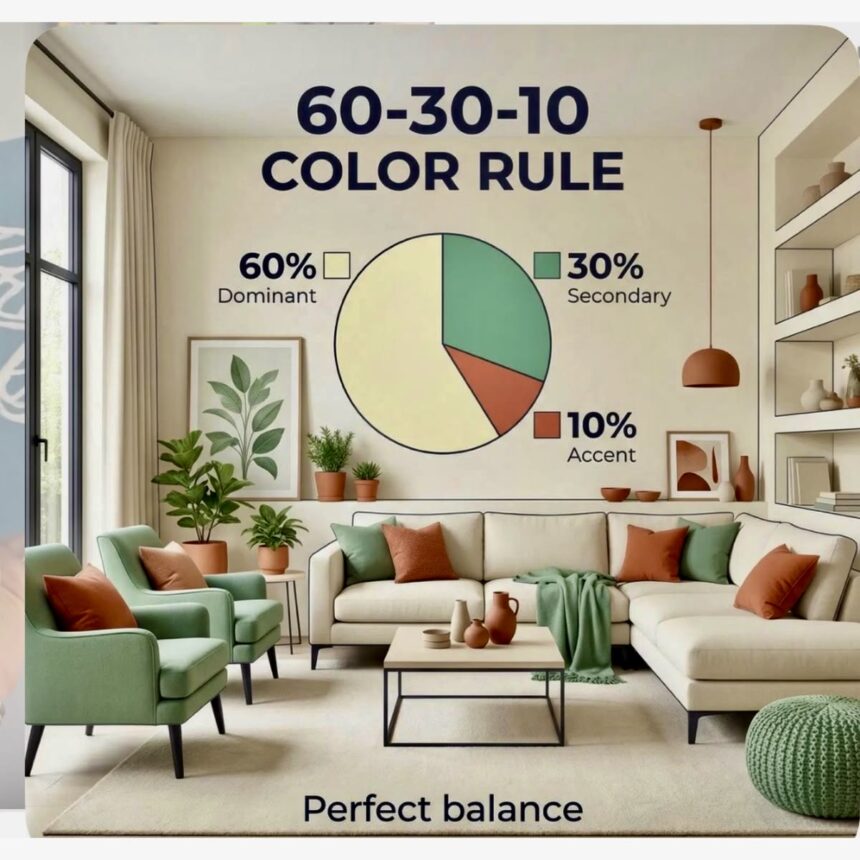
In interior design, accent colors serve as a crucial element in a well-planned color palette, breaking up monotony and adding personality to your space. These colors can be bold and vibrant or subtle and muted, creating a dynamic contrast with the dominant hues in your home. When integrated thoughtfully, accent colors can bring a room to life by drawing attention to specific features, enhancing the aesthetic appeal, and creating a cohesive look.
To effectively use accent colors, consider incorporating them through various accessories and decor items. Cushions and throws are excellent starting points, as they are easy to swap out according to changing seasons or personal tastes. By selecting cushions in different patterns or colors that complement the primary shades of your room, you can instantly refresh the look of your space while keeping your core palette intact.
Art pieces also play a significant role in accentuating your home’s color dynamics. Whether it’s wall art, sculptures, or framed photographs, utilizing artwork that incorporates your chosen accent colors can tie the whole room together. Choose pieces that resonate with your overall theme yet introduce those necessary pops of color to maintain visual interest.
Other decor elements such as vases, candles, or decorative trays can further reinforce the accent colors throughout your home. These items can serve both functional and aesthetic purposes, ensuring that the accents are noticeable without overwhelming the overarching color scheme. By paying close attention to these details, you can create a harmonious blend of colors that enhances the overall atmosphere of your living spaces.
Conclusion
Choosing the right color palette for your home is an essential step in creating a space that reflects your personal style and creates the desired ambiance. As you embark on this journey, keep in mind several final tips that can guide you in making informed decisions.
Firstly, consider the overall mood you wish to convey in your living space. Color can significantly impact emotions, so think about how different shades make you feel. For instance, warm colors like reds and yellows can evoke energy and warmth, while cooler hues such as blues and greens may create a serene and calming atmosphere. Aligning your color choices with the mood you want to establish is crucial.
Secondly, pay attention to the natural light in your home. A color that appears stunning in artificial lighting may look drastically different in natural light. Test paint samples on your walls and observe how they change throughout the day. This practice helps ensure that your selected palette works well in varying conditions.
Lastly, trust your instincts. While guidance from design experts and articles can be beneficial, your home should showcase your personality and style. Don’t shy away from experimenting with unique combinations that resonate with you. Personal expression is the ultimate goal, and what may be unconventional to others might be perfect for your vision.
In conclusion, selecting a color palette for your home requires thoughtful consideration of mood, light, and personal taste. By keeping these factors in mind and trusting your judgment, you can create a harmonious and visually appealing living space that truly feels like home.