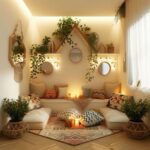

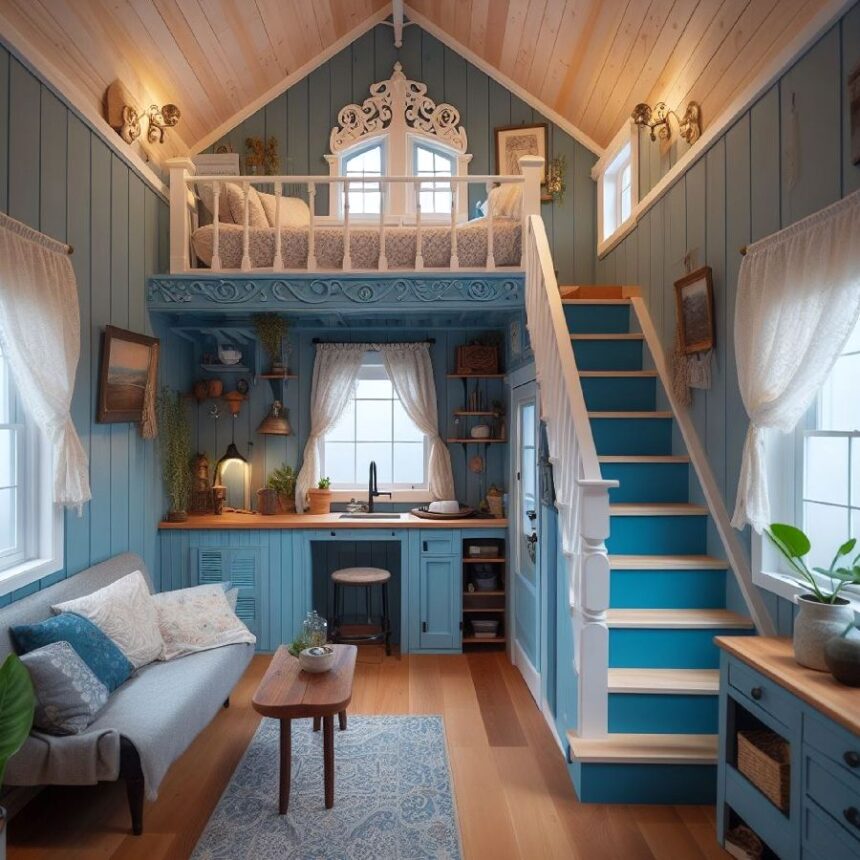
Living in a tiny home presents a unique set of challenges that can significantly impact the overall aesthetic and functional aspects of the living space. One of the primary issues is the limited spatial dimensions, which can restrict the choice of furniture and the arrangement of decor elements. In small spaces, every item must be selected with care, ensuring it complements the overall design while also fulfilling a practical purpose.
Furthermore, the potential for clutter is a major concern in tiny homes. With minimal square footage available, disorganization can quickly become a problem, leading to a chaotic environment that is both visually unappealing and stressful. To combat clutter, it is essential to adopt a systematic approach to storage, prioritizing the use of functional and aesthetic solutions that marry style with utility. For instance, opting for built-in shelves or utilizing under-bed storage can enhance organization while maintaining an inviting atmosphere.
Another challenge associated with decorating tiny homes is the necessity for multifunctional furniture. In these compact areas, furniture pieces that serve multiple purposes—such as a sofa that converts into a bed or a coffee table with hidden storage—can maximize usability without sacrificing style. This versatility helps maintain an open atmosphere and promotes a sense of spaciousness.
Additionally, prioritizing vertical space is crucial in tiny homes. Utilizing wall space for shelving or hanging art can pave the way to a more dynamic and visually engaging environment. Extending the eye upward not only enhances the perception of height but also enables the homeowner to display personal items effectively and artistically.
In summary, understanding the challenges of decorating tiny homes is the first step towards creating a stylish yet functional living space. A thoughtful approach to space management and decor selection can result in a beautifully curated home, despite the limited dimensions.
Choosing a Color Palette
When it comes to decorating tiny homes, selecting the right color palette is crucial. Colors play a paramount role in shaping the ambiance of a space, especially in smaller areas where each detail counts. Light colors, such as whites, soft pastels, and neutral shades, can create an illusion of more space, making the environment feel airier and larger. These tones reflect natural light, which can amplify the perception of space and enhance overall brightness.
To create a cohesive color scheme, it is essential to choose a base color that resonates with the individual’s style while also coordinating seamlessly throughout the home. For instance, utilizing a consistent color for walls and larger furniture pieces can unify the space, reducing visual clutter. Incorporating various shades of the same color is another effective strategy, which adds depth without overwhelming the eye.
In smaller settings, too much color can overwhelm the space, but this doesn’t mean color should be entirely avoided. Strategically placed pops of color can add character and warmth without compromising the spacious feel. Accent pieces such as cushions, artwork, or decorative items in vibrant shades can stimulate interest and create focal points, providing a lively contrast to the predominant lighter hues.
In summary, the judicious selection and application of a color palette can significantly influence how small spaces are perceived. By embracing light colors as the foundation, ensuring a cohesive theme, and allowing for well-placed bursts of color, one can achieve a functional yet stylish environment, perfect for the charm of tiny homes.
Opt for Versatile Furniture
When it comes to decorating tiny homes, the choice of furniture plays a crucial role in maximizing both functionality and aesthetics. Opting for versatile furniture can dramatically improve the use of limited space while also providing essential furnishings that serve multiple purposes. One popular option is the sofa bed, which seamlessly transforms from seating during the day to a cozy sleeping space at night. This not only saves space but also eliminates the need for a separate guest room.
Another excellent addition to any small living space is an ottoman with storage. These multifunctional pieces can serve as a place to prop up feet, a makeshift coffee table, or additional seating when guests arrive. Best of all, they often feature hidden compartments that provide crucial storage for blankets, books, or other household items, thereby helping to keep your space uncluttered.
When considering foldable tables, the options become even more diverse. A drop-leaf dining table, for example, can accommodate meals for two and then be extended to host friends, allowing for flexible dining arrangements without the compromise of floor space. Similarly, wall-mounted tables can be folded away when not in use, maintaining the openness of the room while still providing a surface for work or dining when needed.
When shopping for versatile furniture, it’s important to consider the size and scale of each item to ensure it fits harmoniously within the space. Look for designs that are not only stylish but also proportionate to the dimensions of your home. Additionally, consider pieces that complement your overall decor style. This will enhance both functionality and visual appeal, allowing you to make the most of your small living area.
Creating Zones in Open Layouts
Open concept layouts are popular in tiny homes due to their ability to make spaces feel larger and more inviting. However, this layout can also pose challenges when it comes to defining distinct areas for various activities. Creating zones in these open spaces is essential for maintaining functionality and enhancing the overall aesthetic appeal of the home.
One effective method for zoning is through furniture arrangement. Strategically placing pieces such as sofas, chairs, and even bookshelves can help visually demarcate distinct areas within the room. For example, facing a couch toward a coffee table can create a cozy living area, while positioning a dining table nearby can define a separate eating zone. Additionally, using varying scales of furniture can add depth and delineate spaces without the need for physical barriers.
Rugs also play a significant role in establishing zones. A well-placed area rug can anchor a seating arrangement, providing a sense of foundation and making the space feel more cohesive. Opt for rugs that complement the overall color scheme while being distinct enough to differentiate one zone from another. This subtle division not only adds to the decor but also enhances the comfort of each specific area.
Incorporating room dividers is another practical aspect of zoning. These can take the form of foldable screens, open shelving units, or even curtains that can be drawn to separate spaces when necessary. Such elements offer flexibility, allowing for the creation of privacy when desired while maintaining a sense of openness in the home. By implementing these strategies, homeowners can effectively create functional and stylish zones that utilize every inch of their tiny homes.
Incorporating Smart Storage Solutions
In a tiny home, efficient organization is paramount. To maximize every inch of space, innovative storage solutions must be seamlessly incorporated into your decor. One of the best strategies is to utilize under-bed storage. Investing in bed frames that elevate the mattress allows ample room for storage bins or drawers underneath. This not only keeps your belongings out of sight but also takes advantage of otherwise wasted space.
Another effective approach is incorporating hanging storage. Options like wall-mounted shelves or pegboards can transform vertical surfaces into useful areas. These solutions not only help keep items organized but can also serve as decorative elements, showcasing your personal style. Hanging storage can be particularly beneficial in kitchens, where pots and utensils can be displayed while remaining easily accessible.
Furthermore, multifunctional furniture plays a crucial role in tiny home living. Items such as ottomans with storage capabilities, coffee tables that open to reveal compartments, and sofas that convert into beds serve dual purposes, aiding in both style and organization. These pieces are invaluable in managing clutter and maintaining a streamlined environment.
Decluttering regularly is also essential. Periodically evaluating what you truly need and making decisions on what to keep or donate can significantly improve your living space. By minimizing possessions, you not only create a more inviting atmosphere but also enhance the usability of your storage solutions.
Incorporating smart storage solutions transforms tiny homes into efficiently organized spaces. By utilizing under-bed areas, exploring hanging options, and investing in multifunctional furniture while focusing on decluttering, you can achieve an aesthetic that feels both spacious and stylish.
Maximizing Vertical Space
When it comes to small homes, maximizing vertical space is vital for achieving both functionality and aesthetic appeal. Utilizing walls and vertical surfaces allows homeowners to create additional storage, showcase personal style, and make the most out of limited square footage. By thinking vertically, you can transform even the tiniest areas into efficient and organized spaces.
One effective strategy to optimize vertical space is to install shelves. Floating shelves can be seamlessly integrated into any room, providing a perfect spot for books, plants, or decorative items. They draw the eye upward, creating the illusion of higher ceilings and allowing for a more spacious atmosphere. In the kitchen, wall-mounted shelves can hold spices and utensils, keeping countertops clear of clutter.
In addition to shelves, wall-hung art plays a crucial role in maximizing vertical space while contributing to the decor. Large, eye-catching artwork or a gallery wall can serve as a focal point, adding character and interest to your living space. This approach combines aesthetics with space-saving techniques, making it particularly effective in small homes where floor space is limited.
Moreover, over-the-door organizers are practical solutions for tiny homes. These organizers can be used in various rooms, from entryways for shoes and bags to bathrooms for toiletries. They not only provide additional storage but also help declutter surfaces, creating a clean and organized appearance throughout your home.
By creatively utilizing walls and vertical surfaces for storage and decoration, homeowners can enhance both functionality and style. Whether through shelves, wall art, or versatile organizers, maximizing vertical space is key to thriving in a tiny home.
Bringing in Natural Light
Natural light is an essential element in small space design, as it can dramatically alter the perception of size and atmosphere within a home. When light streams in through windows, it creates an airy feeling that can help to counteract the often constricting nature of petite interiors. To maximize this natural light, homeowners should consider a variety of strategies.
One effective method for enhancing light in a small space is the use of mirrors. By strategically placing mirrors across from windows or other light sources, they reflect sunlight and create an illusion of depth, effectively opening up the room. Additionally, using mirror-finish decorative elements can help to bounce light around the space, further amplifying brightness. This technique not only increases visual space but also adds a layer of stylish sophistication.
Another key component is selecting appropriate window treatments. Heavy drapes can block out valuable sunlight, so opting for lighter fabrics or sheer curtains is advisable. These treatments allow daylight to filter in while still providing some level of privacy. In settings with larger windows, consider using shades that can be easily adjusted to control light levels without compromising the overall design aesthetic.
Furthermore, layout changes can also significantly affect the light within a space. Rearranging furniture to create a more open floor plan can facilitate better light flow throughout the rooms. Avoid placing tall furniture or obstacles in front of windows, as they impede natural light from entering. Instead, use low pieces that maintain an unobstructed view and allow sunlight to penetrate effectively.
By embracing these strategies, homeowners can enhance their small spaces with the illuminating power of natural light, creating an inviting and expansive atmosphere that defies the constraints of their physical environment.
Personalizing Your Space
Personalizing a small space can feel challenging due to limited square footage, but there are numerous strategies to inject your individual style into tiny homes without contributing to clutter. One effective approach is to incorporate personal artwork. Choose a few favorite pieces, such as paintings or prints, that resonate with you. Opt for a gallery wall in a small nook, which can serve as both a striking focal point and a testament to your artistic preferences. When selecting frames, keep it cohesive to maintain a streamlined look, avoiding the overwhelming visual noise that disparate styles can bring.
Another method to add personality is through photographs. Displaying cherished memories can create a warm atmosphere and instill a sense of comfort. Choose a few standout images, printed in varying sizes and arranged thoughtfully on a small shelf or bulletin board. This not only keeps them accessible but also allows for easy rotation, offering a fresh look when desired without needing additional wall space.
In addition to artwork and photographs, sourcing decor that reflects personal tastes enhances the character of the space. For instance, selecting a few well-chosen decorative accessories, such as vases, books, or unique trinkets, can add depth without overwhelming the environment. It is essential to remain mindful of scale and color to ensure these items fit harmoniously within the overall scheme of your tiny home.
Ultimately, the key to personalizing your space lies in mindful selection and arrangement. By choosing items that genuinely reflect who you are while considering their interaction with your surroundings, you can create a visually appealing and deeply personal atmosphere in a small area.
Sustainability in Small Space Living
Embracing sustainability in small space living is paramount, as it not only contributes to environmental conservation but also enhances the overall aesthetic and functionality of tiny homes. One effective way to promote sustainability is through the repurposing of furniture. By giving new life to old or discarded pieces, residents can minimize waste while creating unique, stylish environments. For example, a vintage ladder can be transformed into a bookshelf, providing both storage and character. Similarly, repurposed crates can serve as tables or shelving units, infusing the space with a rustic charm.
Choosing sustainable materials is another fundamental aspect of eco-friendly decorating in small homes. Opting for ethically sourced woods, recycled materials, or environmentally friendly fabrics not only reduces the ecological footprint but also enhances indoor air quality. Bamboo, for instance, is a fast-growing material that is both durable and stylish, making it an excellent choice for flooring or furniture. Furthermore, selecting non-toxic paints and finishes ensures a healthier living space, free from harmful chemicals.
Incorporating indoor plants is also a vital strategy for fostering sustainability in small space living. Not only do plants enhance the decor with their vibrant colors and textures, but they also provide significant health benefits. Indoor plants can improve air quality by filtering pollutants and increasing humidity, making the living environment more pleasant. Examples of low-maintenance plants, such as snake plants or pothos, are particularly suitable for small homes, as they thrive in various lighting conditions and require minimal care.
Ultimately, by prioritizing sustainability in decorating choices, residents can cultivate a harmonious space that is both stylish and environmentally responsible, reflecting a commitment to a greener lifestyle.