

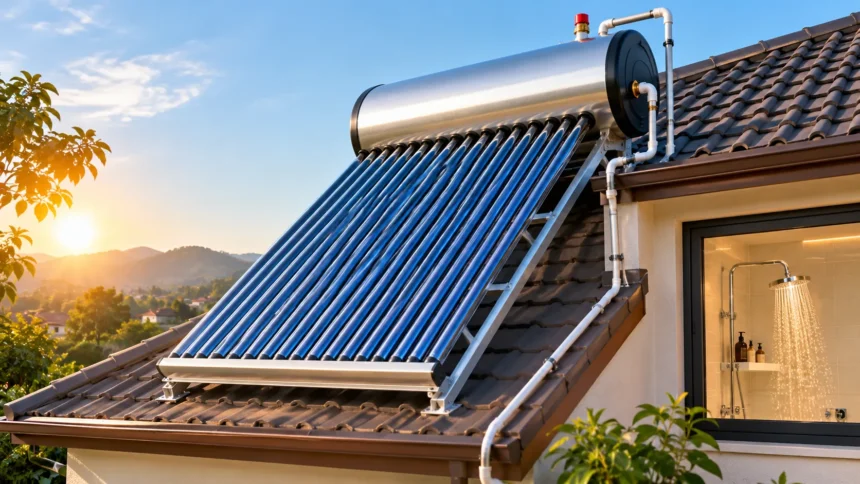
A solar water heater is an energy-efficient system that uses sunlight to heat water for everyday household needs. Instead of relying entirely on electricity or gas, it captures solar energy and transfers heat to water stored in a tank. This renewable energy technology can help households reduce conventional energy consumption while maintaining a reliable hot water supply.
Understanding how a solar water heater works can help homeowners make better decisions about energy efficiency and long-term expenses. These systems come in different designs, including active and passive models. Their installation costs, performance, and potential savings depend on factors such as local climate, household size, and water usage.
This guide explains solar water heater costs, how the technology works, its main benefits, and the savings homeowners may achieve. It also covers system types, installation requirements, maintenance, and practical buying considerations to help you determine whether solar water heating is suitable for your home.
What Is a Solar Water Heater?
A solar water heater is a system that collects energy from sunlight and uses it to heat water. It typically includes solar collectors, a storage tank, insulated pipes, and sometimes a circulation pump. The system transfers captured heat to water for household use. Unlike traditional water heaters, it relies primarily on solar thermal energy.
Solar water heating systems are commonly installed on rooftops or other locations receiving sufficient sunlight. The heated water can be used for bathing, washing dishes, cleaning, and other household activities. Many systems also include a backup heating source. This ensures that hot water remains available when sunlight is insufficient.
Solar water heaters are different from solar photovoltaic panels, which generate electricity from sunlight. Solar thermal collectors directly capture heat instead of producing electrical power. This makes them specifically designed for heating water. Understanding this difference helps homeowners compare renewable energy technologies according to their household requirements.
How Does a Solar Water Heater Work?
A solar water heater works by collecting heat from sunlight through specially designed solar collectors. These collectors absorb solar radiation and transfer the captured energy to water or another heat-transfer fluid. The heated fluid moves through the system and transfers heat to a storage tank. Insulation helps reduce heat loss.
In direct systems, household water flows through the solar collectors and becomes heated before entering storage. Indirect systems use a separate heat-transfer fluid and a heat exchanger to warm the household water. The appropriate arrangement depends on climate and system design. Both approaches use solar energy to reduce conventional heating requirements.
When solar energy cannot provide enough heat, a backup electric or gas heater may raise the water temperature. This arrangement helps maintain a consistent hot water supply during cloudy weather or periods of high demand. Properly designed systems also include safety controls. Professional installation is important for efficient performance and reliable operation.
Types of Solar Water Heating Systems
Solar water heaters are generally divided into active and passive systems. Active systems use pumps and controls to circulate water or heat-transfer fluid between the collectors and storage tank. Passive systems rely on natural circulation or water pressure. Both designs have advantages depending on climate, installation conditions, and household needs.
Active solar water heaters provide flexibility because collectors and storage tanks can be positioned separately. Some active systems use antifreeze solutions to protect outdoor components in cold climates. Passive systems usually have fewer mechanical components and may require less maintenance. However, their installation arrangements and performance characteristics can differ.
Common collector technologies include flat-plate collectors and evacuated-tube collectors. Flat-plate collectors contain insulated panels that absorb sunlight, while evacuated tubes reduce heat loss through their insulated glass construction. Neither option is automatically best for every home. Local weather, installation space, water quality, and budget should guide the selection.
Solar Water Heater Installation Costs
The cost of a solar water heater depends on its size, design, location, and installation requirements. In the United States, many residential installations are estimated at approximately $1,800 to $5,700. More complex or larger systems may cost considerably more. Prices in other countries can differ because of equipment availability and local labor costs.
Passive solar water heating systems may have lower equipment and maintenance costs because they use fewer mechanical components. Active systems can require pumps, controllers, and additional plumbing. Indirect systems may also need heat exchangers and freeze-protection equipment. These components can increase initial expenses while providing important performance advantages.
Homeowners should request detailed quotations from qualified installers before purchasing equipment. A complete estimate should explain collector costs, storage capacity, labor, plumbing modifications, and backup heating arrangements. Roof reinforcement or additional electrical work may increase expenses. Comparing the complete installed price is more useful than considering equipment costs alone.
How Much Money Can a Solar Water Heater Save?
A solar water heater can reduce the amount of electricity or gas needed to produce domestic hot water. Well-performing systems may reduce conventional water-heating energy use by approximately 50% to 80% under suitable conditions. However, actual savings vary significantly. Household demand, sunlight availability, system efficiency, and backup heating influence the final result.
For example, a household spending $40 per month on water heating could potentially save $20 monthly if solar heating reduced those costs by half. That would equal approximately $240 annually. This is only an illustrative calculation, not a guaranteed outcome. Actual savings should be estimated using local energy prices and household consumption.
Savings also depend on maintenance expenses and the amount paid for installation. A system that performs well in a sunny location may produce different results in a cloudy climate. Proper sizing helps avoid unnecessary equipment costs. Homeowners should compare expected annual savings with installation expenses to understand the potential long-term financial value.
Solar Water Heater Payback Period
The solar water heater payback period describes how long it takes for energy savings to recover the initial investment. This calculation helps homeowners evaluate whether installation makes financial sense. A shorter payback period generally indicates faster recovery of upfront expenses. However, long-term value also depends on maintenance costs and equipment lifespan.
For example, suppose a solar water heating system costs $4,000 after applicable incentives and saves $400 annually in energy expenses. The simple payback period would be approximately ten years. This estimate assumes consistent savings and excludes maintenance, financing, and replacement costs. Actual financial performance may be better or worse.
Homeowners can improve their assessment by requesting a detailed energy savings estimate from an installer. The calculation should consider existing water heating expenses, solar exposure, and expected equipment performance. Available incentives may reduce installation costs where applicable. Comparing several realistic scenarios helps avoid relying on overly optimistic payback claims.
Benefits of Installing a Solar Water Heater
One major benefit of solar water heating is reducing dependence on conventional energy sources. By capturing heat from sunlight, the system can lower the amount of electricity or gas needed for domestic hot water. This can reduce operating expenses over time. The savings depend on system performance and household usage.
Solar water heating can also reduce emissions associated with fossil fuel consumption. When solar energy replaces electricity generated from fossil fuels or gas used directly for heating, environmental benefits may result. The extent of those benefits depends on the existing energy source. Equipment manufacturing and installation also contribute to the system’s overall environmental footprint.
Another advantage is the potential for reliable performance over many years with appropriate maintenance. Solar water heating systems are designed for long-term use, although component lifespans vary. Many installations can work alongside existing backup heaters. This flexibility allows households to benefit from solar energy without depending entirely on sunshine.
Solar Water Heater vs. Electric and Gas Water Heaters
Traditional electric water heaters use electrical energy to heat stored water or provide heating on demand. Gas water heaters generate heat through fuel combustion. Solar water heaters capture thermal energy from sunlight and commonly rely on backup heating when necessary. Each technology has different installation costs, operating expenses, and maintenance requirements.
Electric and gas water heaters often have lower initial installation expenses than complete solar thermal systems. However, their operating costs depend on electricity or fuel prices. Solar water heaters usually require greater upfront investment but can reduce purchased energy consumption. Whether this leads to meaningful savings depends on the household and local conditions.
Heat pump water heaters are another important alternative worth comparing. These systems move heat from surrounding air into water and can be highly efficient in suitable environments. In some homes, they may offer a more economical solution than solar thermal heating. Comparing installed costs, energy use, maintenance, and available space helps homeowners choose appropriately.
Solar Water Heater Installation Requirements
Before installing a solar water heater, homeowners need to assess available sunlight and installation space. Collectors generally perform best in locations receiving substantial direct sunlight without frequent shading. Roof orientation, slope, and structural condition can influence placement. A professional assessment helps determine whether the property can support the proposed equipment.
Storage tank capacity should match the household’s expected hot water requirements. An undersized system may depend heavily on backup heating, while an unnecessarily large system can increase expenses. Climate is another important consideration because freezing temperatures require appropriate protection. Local building and plumbing requirements must also be considered.
Professional installation helps ensure collectors, tanks, valves, and piping operate safely together. Installers should account for roof loading, weatherproofing, pressure control, and safe water temperatures. Improper installation can cause leaks or equipment damage. Homeowners should select qualified professionals familiar with solar thermal systems and applicable local standards.
Maintenance and Lifespan of Solar Water Heaters
Solar water heaters require periodic maintenance to support efficient performance and reliable operation. Typical inspections may include checking collectors, pipe insulation, valves, pumps, and storage tanks. Some systems also require monitoring of heat-transfer fluids. Maintenance requirements depend on the equipment type, local water conditions, and installation environment.
Mineral buildup can reduce efficiency in areas with hard water. Outdoor components may also experience weather-related wear over time. Indirect systems can require professional checks of antifreeze concentration and fluid condition. Homeowners should follow manufacturer maintenance schedules rather than attempting unfamiliar plumbing or pressure-system repairs themselves.
The lifespan of a solar water heater varies according to equipment quality, installation, climate, and maintenance. Well-maintained systems may operate for many years, although pumps, seals, and other components may need replacement earlier. Manufacturer warranties provide useful information about expected coverage. Regular professional inspections can help identify problems before they become expensive.
Common Problems With Solar Water Heaters
One common concern is reduced heating performance during cloudy weather or periods of limited sunlight. Solar collectors depend on available solar radiation, so output changes with weather and seasons. A properly designed backup system helps maintain hot water availability. Homeowners should understand these limitations before expecting fully solar-powered heating throughout the year.
Leaks, pump failures, damaged insulation, and faulty controls can also affect performance. In colder climates, inadequate freeze protection may damage collectors or piping. Excessive heat during periods of low water use can create different problems. Professional system design should include suitable controls and protective measures for these conditions.
Some homeowners experience disappointing savings because the equipment is incorrectly sized or poorly positioned. Shading, unexpected household demand, and inadequate maintenance can also reduce efficiency. Regular performance checks help identify these issues. Selecting suitable equipment and obtaining realistic installation estimates reduces the likelihood of avoidable problems.
Is a Solar Water Heater Worth Buying?
A solar water heater may be a worthwhile investment for households with substantial hot water demand and good sunlight exposure. Higher conventional energy prices can make potential savings more attractive. Long-term homeowners may also have more time to recover installation expenses. However, individual circumstances strongly influence whether the investment is financially beneficial.
Before purchasing, compare installation quotations, expected savings, warranty coverage, and maintenance requirements. Review whether the property has suitable space and structural support. It is also helpful to compare solar thermal heating with efficient conventional and heat pump alternatives. Available local rebates or financial incentives may influence the final decision.
The best solar water heater is not necessarily the most expensive or technologically complex system. It should match household requirements, local climate, and available resources. A professional energy assessment can provide a clearer understanding of expected performance. Careful planning helps homeowners choose a practical solution without relying on unrealistic savings claims.
Conclusion
A solar water heater uses sunlight to provide hot water while reducing reliance on electricity or gas. These systems operate through solar collectors, heat-transfer components, and insulated storage tanks. Active and passive designs offer different advantages depending on the property and climate. Understanding their operation helps homeowners evaluate whether solar water heating suits their needs.
Installation costs vary based on system type, equipment size, and local requirements. Although solar water heaters generally require a higher initial investment, they can reduce long-term energy expenses. Actual savings and payback periods depend on household usage and system performance. Comparing realistic costs is essential before making a purchasing decision.
Choosing a suitable solar water heater involves considering sunlight availability, installation quality, maintenance, and backup heating requirements. Homeowners should obtain professional guidance and compare available technologies. With appropriate planning, solar water heating can provide reliable hot water and reduce conventional energy consumption. A carefully selected system may offer meaningful financial and environmental benefits over time.
Frequently Asked Questions
How does a solar water heater work?
A solar water heater uses collectors to absorb sunlight and transfer heat to water or a heat-transfer fluid. The heat warms water stored in an insulated tank for household use.
How much does a solar water heater cost?
Many U.S. residential installations cost approximately $1,800 to $5,700, although larger or more complex systems can cost significantly more. Actual prices depend on equipment, installation requirements, and location.
Can a solar water heater work without sunlight?
Solar water heaters produce less heat when sunlight is limited. Most household systems use electric or gas backup heating to maintain hot water during cloudy weather, nighttime, or periods of high demand.
How much electricity can a solar water heater save?
A properly designed system may reduce conventional water-heating energy consumption by roughly 50% to 80% in suitable conditions. Actual savings depend on sunlight, water usage, backup heating, and system efficiency.
Is a solar water heater better than an electric water heater?
Solar water heaters can reduce purchased energy consumption but generally cost more to install. Electric and heat pump water heaters may be more economical in certain situations, depending on local energy prices.