
Understanding Living Room Functions
The living room serves as a central hub in many homes, playing various roles that influence its layout and design. Primarily, it serves as a space for entertaining guests, where comfort and accessibility are paramount. An inviting living room facilitates interaction, encouraging conversation and activity. When designing this space, it is important to prioritize seating arrangements that promote socialization. Sofas and chairs should face each other, and walkways should be clear to prevent congestion.
In addition to hosting guests, the living room often functions as a family gathering space. It may be where family members relax, watch television, or engage in recreational activities together. Recognizing this dual role can significantly impact the layout. For instance, if the room is meant to accommodate both entertainment and family time, it might benefit from a configuration that includes a combination of comfortable seating, such as recliners or sectional sofas, along with media equipment housed conveniently.
Moreover, living rooms may also serve as informal workspaces in contemporary homes. With the rise of remote work and technology, a functional layout that incorporates a small desk or reading nook can be advantageous. This multifunctional aspect necessitates careful planning to ensure that each area is distinct yet seamlessly integrated. Ergonomic considerations play a role here, as it’s important for seating to be comfortable for various activities.
Ultimately, understanding the different functions of a living room is crucial in making informed furniture layout choices. By acknowledging the need for a space to entertain, relax, and sometimes work, homeowners can create a harmonious environment that caters to all these needs while maintaining a cohesive and inviting aesthetic.
Key Principles of Furniture Layout
Designing a living room requires a careful consideration of various principles that contribute to both comfort and functionality. One of the foundational principles is balance, which refers to the distribution of visual weight within the space. Achieving balance can be done by arranging furniture symmetrically or asymmetrically to create a sense of equilibrium. For instance, placing two identical sofas opposite each other establishes a symmetrical layout, while a combination of different chairs and side tables can produce an asymmetrical balance that feels equally inviting.
Another critical principle is the establishment of focal points. A focal point serves as the centerpiece of the room, drawing attention and anchoring the layout. This could be a fireplace, a large window with a picturesque view, or a piece of artwork. Positioning seating areas to face this focal point enhances the room’s aesthetic appeal and encourages social interaction among occupants.
Flow is also essential in the furniture layout. The arrangement of furniture should facilitate smooth movement throughout the space. A well-planned layout considers pathways that allow easy access to different areas of the room, preventing any obstructions that might hinder movement. Additionally, it is important to maintain appropriate proportions within the layout. The size and scale of furniture pieces should complement one another and the overall dimensions of the living room. Oversized furniture in a small space can make the room feel cramped, while small pieces in a large space may lead to a disjointed appearance.
By adhering to these principles—balance, focal points, flow, and proportion—homeowners can create a living room that not only looks appealing but also promotes comfort and accessibility, enhancing the overall experience for those who inhabit the space.
Common Furniture Layouts Explained
When it comes to designing a comfortable living room, the selection of furniture layout plays a vital role. There are several popular arrangements that cater to different styles, purposes, and space constraints. Understanding these common layouts can help you create a functional and aesthetically pleasing living area.
The U-shape layout is one of the most favored configurations for facilitating communication and interaction. This arrangement typically involves three seating components arranged in a “U” formation, which fosters an intimate setting. Ideal for larger families or entertaining guests, it allows everyone to maintain eye contact and fosters a sense of togetherness. Additionally, the U-shape layout offers ample opportunity for incorporating accent tables, lamps, and decorative elements to enhance the ambiance of the living room.
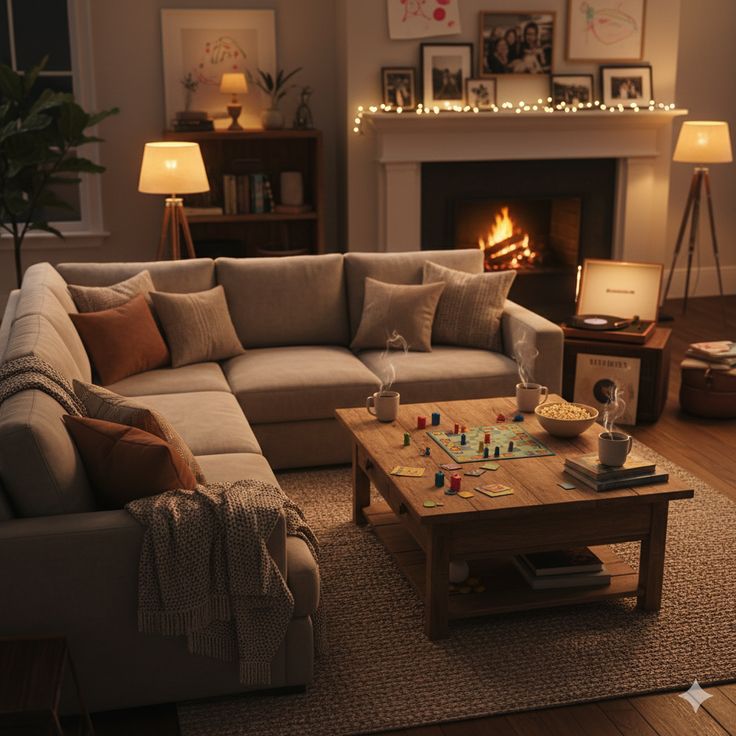
Another popular layout is the L-shape arrangement, which consists of two seating pieces positioned at a right angle to each other. This setup is perfect for smaller living spaces, as it maximizes corner areas while still providing a cozy gathering space. The L-shape layout allows for versatility, accommodating various communication styles and activities. It is also conducive to creating a defined seating area that can be complemented with additional furniture such as ottomans or coffee tables.
In contrast, the open-concept layout is increasingly favored in modern homes. This design integrates the living room with adjacent spaces, promoting a spacious and airy feel. The open-concept layout allows for seamless movement and interaction between different areas, making it an exceptional choice for social gatherings. This arrangement also encourages a natural flow of light, enhancing the overall atmosphere of the living space.
Each of these furniture layouts—U-shape, L-shape, and open-concept—possesses unique benefits that can be tailored to meet personal preferences and lifestyle needs. By carefully considering these options, individuals can create a living room that is both comfortable and functional, enhancing their daily living experience.
Choosing the Right Furniture Size and Scale
Selecting the right furniture size and scale is crucial when designing a comfortable living room. Inappropriate furniture dimensions can lead to a cluttered or unbalanced space, affecting both functionality and aesthetics. To ensure the best possible arrangement, it is essential to measure the room accurately before making any purchases. Start by gauging the overall dimensions of the living room, including the length, width, and height. This information will form the basis for your furniture decisions.
Another key consideration is the scale of the furniture relative to the space. For instance, oversized sofas may overwhelm a smaller room, while petite chairs might get lost in a large living area. It can be beneficial to visualize different arrangements by using tape to outline furniture dimensions on the floor. This technique helps in assessing how items will fit and interact with each other and the room’s architecture.
Furthermore, it is essential to consider the function of each area within the living room. For example, if the space is meant for social gatherings, sofa and seating arrangements should encourage conversation and interaction. Ensuring adequate walking space between pieces is also vital; there should be at least 18 inches of clearance for pathways. When contemplating various layouts, take note of natural sight lines and focal points, such as windows or fireplaces, which should not be obstructed by poorly scaled furniture.
By taking the time to measure and visualize your living room, you can select furnishings that not only fit harmoniously within the space but also enhance the comfort and usability of your living environment. Thoughtful consideration of size and scale ultimately contributes to a well-organized and inviting atmosphere.
Incorporating Traffic Flow into Your Layout
When designing a living room, one of the most crucial aspects to consider is the traffic flow. Ensuring that your furniture layout facilitates smooth movement throughout the space is essential for both comfort and usability. By prioritizing clear pathways, you create an inviting and functional environment where activities can unfold with ease.
Firstly, it is important to assess the natural pathways within the room. Identify the main entrance and any additional points of entry or exit. Ideally, furniture should be arranged in a manner that does not obstruct these pathways. This means leaving adequate space—generally between 24 to 36 inches wide—so that people can walk through without having to navigate around barriers. This attention to traffic flow not only enhances accessibility but also reduces frustration for guests as they move about the living area.
Furthermore, consider the focal points in your living room. Whether it’s a television, a fireplace, or a scenic view, ensure that your furniture is oriented in a way that encourages interaction while maintaining traffic flow. For example, a conversation area with seating generally should be situated to promote ease of access to and from the main pathways. Additionally, curating a layout that features appropriately spaced furniture pieces can prevent overcrowding, which often impedes movement.
Moreover, it is beneficial to reflect on the activities that will take place in the living room. For instance, if you frequently entertain guests, prioritize creating larger clearings for group gatherings. On the other hand, a quieter layout may only require narrower paths. Adaptability is key—therefore, be prepared to make adjustments as necessary, striking a balance between a cozy atmosphere and an efficient flow.
Creating Conversation Areas
Designing a living room that fosters conversation and interaction is essential for a comfortable and welcoming space. One of the central strategies to achieve this is by carefully positioning seating arrangements. When arranging furniture, it is vital to place seating options, such as sofas and chairs, within a conversational distance of approximately 6 to 10 feet. This distance ensures that individuals can engage in dialogue without straining, promoting a more relaxed environment.
In addition to distance, consider the arrangement shape; circular or semi-circular layouts are particularly effective. These shapes naturally draw people together and facilitate engagement. For instance, placing chairs at angles that face each other creates an inviting atmosphere, encouraging discussion. Alternatively, you may opt for a U-shaped arrangement, which not only allows ample seating but also enhances visual connection among participants. This configuration can effectively integrate a coffee table, which adds functionality to the conversation area and can serve as a casual focal point.
Another critical aspect is the importance of proximity. Ensuring that seating is not too far apart encourages interaction, while too close of a setup may lead to discomfort. When designing conversation areas, always allow enough space for movement, ensuring that guests can easily navigate the room without disrupting ongoing discussions. Additionally, it may be beneficial to consider incorporating smaller, more intimate seating arrangements, such as smaller chairs or ottomans. These can easily be moved around to create flexible spaces for different groups, further enhancing your living room’s usability.
Using Rugs to Define Spaces
Area rugs play a crucial role in interior design, particularly in living rooms where the layout can determine the overall ambiance and functionality of the space. By strategically placing rugs, homeowners can create distinct zones, each serving its own purpose while harmonizing with surrounding decor. For example, placing a plush rug beneath a seating arrangement can establish a cozy conversation area, suggesting comfort and inviting guests to relax.
Additionally, different types of rugs can enhance the aesthetic appeal and texture of a living room. A richly textured wool rug may add warmth to a minimalist setting, while a vibrant, patterned rug can serve as a focal point in a more eclectic space. By selecting a rug that complements existing furniture and color palettes, one can enhance the overall fluidity of the design, drawing connections between various elements of the room.
Using rugs as dividers is particularly effective in open-concept living spaces, where the layout might otherwise feel disjointed. A well-placed rug can visually separate the dining area from the lounging space, thereby giving each function its own identity while still retaining an open atmosphere. Moreover, the scale of the rug is essential; it should be large enough to fit under the front legs of major furniture pieces within a designated area to unify the look and feel.
In conclusion, area rugs not only offer comfort underfoot but also serve as versatile tools in defining spaces within a living room. Their ability to delineate zones, add warmth, and elevate the overall aesthetic makes them an invaluable addition to any thoughtfully designed living environment.
Incorporating Lighting in Your Layout
Integrating lighting into your living room layout is crucial for creating a comfortable and inviting atmosphere. The effective use of different lighting types can enhance the overall aesthetic and functionality of the space. There are three primary types of lighting to consider: ambient, task, and accent lighting.
Ambient lighting serves as the main source of illumination in a living room. This general lighting is usually provided by overhead fixtures like chandeliers, ceiling mounts, or recessed lighting. To maximize ambient lighting, consider the positioning of your furniture. For instance, placing a sofa or chairs in a way that does not obstruct light will ensure that the entire area feels bright and open. Using lighter-colored walls and reflective surfaces can further amplify ambient light, making the room feel larger and more welcoming.
Task lighting is specifically designed to aid activities that require focused illumination. This can include reading lamps, table lamps, and floor lamps positioned near seating areas or workspaces. When arranging furniture, ensure there is easy access to these light sources. A side table next to a reading chair, for example, can be the perfect spot for a task lamp, creating a cozy nook for reading or working. Position furniture in a way that encourages interaction and allows favorable access to task lighting, enhancing both functionality and flow.
Accent lighting adds depth and personality to a living room layout. This type of lighting highlights specific areas, such as artwork or architectural features, and can be achieved through wall sconces, spotlights, or decorative lamps. When choosing accent lighting, consider the placement of your furniture to create focal points. For instance, a piece of artwork mounted on a wall that is framed by a strategically positioned sofa can draw attention and create a beautiful contrast. Properly directing accent light can significantly contribute to the ambiance and style of your living space.
Personalizing Your Space
Creating a comfortable living room goes beyond merely arranging furniture; it involves personalizing the space to reflect your unique style and preferences. One effective way to achieve this is by thoughtfully incorporating accessories, art, and color choices that resonate with your identity. These elements can significantly enhance the overall ambiance of the room while ensuring that it feels welcoming and cozy.
Accessories such as cushions, throws, and rugs are not only functional but also offer an opportunity to express individual taste. Select patterns and colors that complement your existing furniture layout while adding warmth and depth to the room. For instance, a vibrant, patterned throw can serve as a focal point that draws the eye, making the space feel inviting and lived-in. Additionally, the use of varied textures in accessories can create visual interest and comfort. Consider layering textiles in a mix of fabrics to establish a cozy atmosphere.
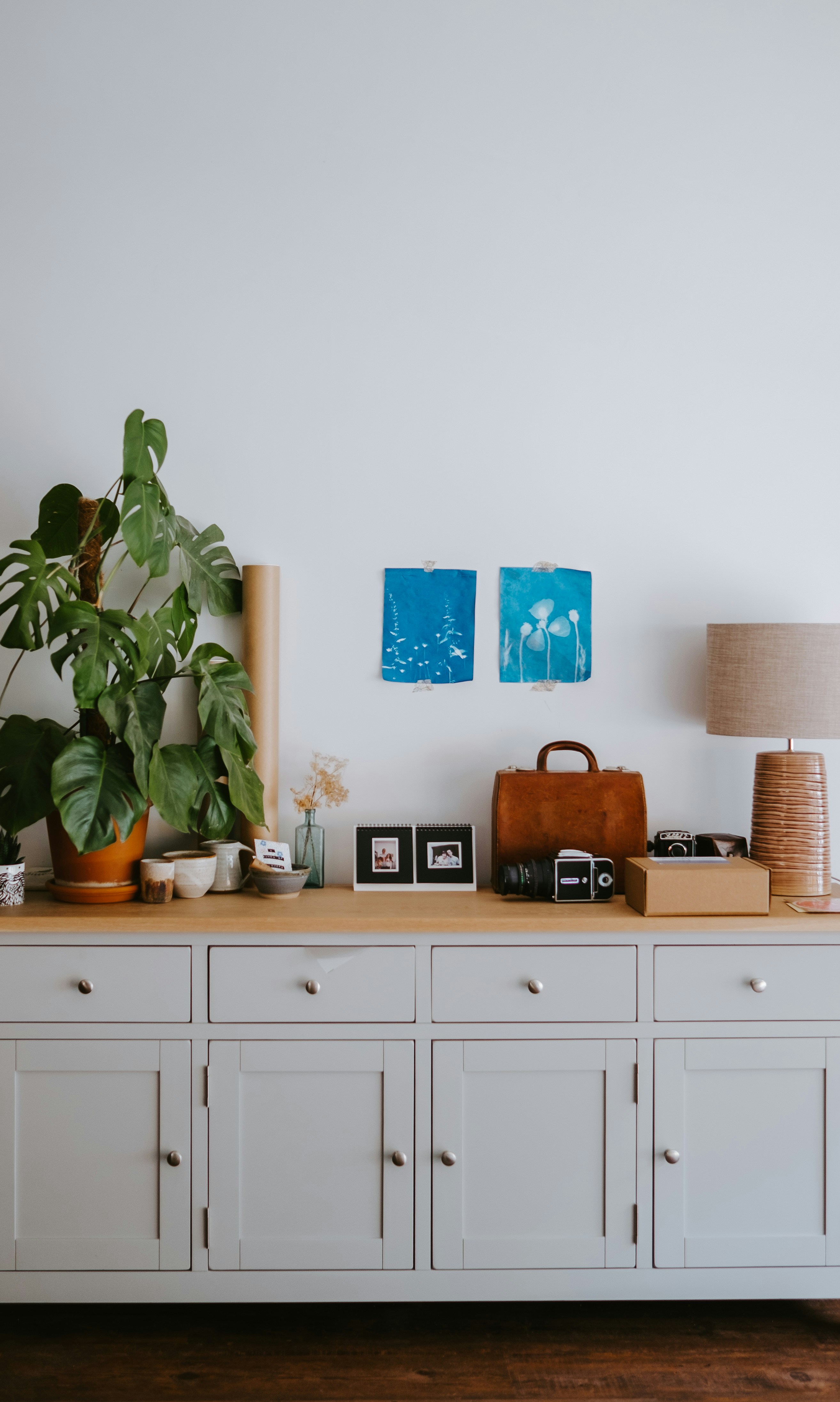
Art is another powerful means of personalization. Whether it’s a painting, a series of framed photographs, or unique sculptures, displaying art that speaks to you can transform your living room into a reflection of your personality. Positioning art pieces at eye level and grouping them in cohesive arrangements can enhance the visual impact, making the space feel curated yet personal.
Color choices deserve careful consideration as well. A color palette that resonates with your style can influence mood and comfort. Utilizing soft, neutral tones can create a serene environment, while bolder colors can evoke energy and creativity. You may choose to paint an accent wall or incorporate colorful furniture pieces that harmonize with the overall layout, ensuring that the space remains cohesive yet expressive.
Ultimately, personalizing your living room with accessories, art, and colors cultivates an atmosphere that is not only comfortable but distinctly yours. By taking the time to thoughtfully select these elements, you can create a space that welcomes both you and your guests, making every gathering a more enjoyable experience.