
DIY (Do-It-Yourself) projects have emerged as a popular means of transforming living spaces into personalized sanctuaries. Engaging in DIY tasks not only fosters creativity but also allows individuals to apply their skills in practical ways, leading to significant home enhancements. One of the fundamental advantages of undertaking such projects is the potential for considerable cost savings; by sourcing materials directly and executing the work oneself, homeowners can often furnish their spaces at a fraction of the cost of hiring professional contractors.
Moreover, DIY home transformation offers the unique opportunity to customize one’s living environment according to personal tastes and needs. Whether it involves painting walls, constructing furniture, or redecorating with reclaimed materials, each project reflects the homeowner’s vision and aesthetic preferences. This bespoke approach creates spaces that resonate with individual identity, leading to a more fulfilling and enjoyable living experience.
Another significant benefit of engaging in DIY projects is the profound sense of accomplishment that accompanies the completion of a task. The process of creating something with one’s own hands can be incredibly rewarding, contributing to a feeling of pride and ownership over one’s home. For many, the act of transforming a space becomes a therapeutic outlet, allowing them to unwind and express their creativity while simultaneously improving their environment.
In conclusion, embarking on DIY home transformation projects is an enriching endeavor that not only revamps living spaces but also enhances personal well-being. Through cost savings, customization, and the fulfillment derived from self-creation, homeowners can truly elevate their environments in meaningful ways.
Essential Tools and Materials for DIY Projects
When embarking on any DIY project, having the right tools and materials on hand is essential for ensuring a smooth and successful experience. A well-equipped toolbox can significantly enhance your efficiency, allowing you to focus on creativity rather than frustration. Here is a comprehensive list of essential tools you should consider having in your arsenal when tackling various DIY endeavors.
Starting with hand tools, a reliable hammer is a must-have for any project involving nails or woodwork. Additionally, a set of screwdrivers, including both Phillips and flathead variations, is crucial for assembling furniture or fixing appliances. A tape measure is indispensable for accurate measurements, while a level ensures that your projects are aligned correctly. Moreover, having a good quality saw, whether it be a hand saw or a circular saw, is essential for cutting wood or other materials to the desired size.
In terms of materials, wood serves as one of the primary components in many DIY projects. From building furniture to creating decorative accents, the versatility of wood cannot be underestimated. Paint is another vital material that allows you to customize colors and finishes to suit your aesthetic preferences. Furthermore, fabric can be used for a variety of applications ranging from reupholstering chairs to crafting curtains. Other useful materials include adhesive (such as wood glue or super glue) for joining pieces together, as well as nails, screws, and brackets for added support.
Finally, while not always on the top of the list, safety gear such as gloves and goggles is indispensable for protecting yourself during any DIY project. By investing in these essential tools and materials, you will be well-prepared to transform your living space through a variety of engaging and rewarding DIY projects.
Simple Wall Art Ideas to Elevate Your Space
Transforming your living space can be effortlessly achieved through the introduction of creative wall art. These simple DIY projects not only allow for personalization but also enable individuals to express their unique style. One of the most accessible options for wall art is creating your own canvas paintings. Utilizing acrylic or watercolor paints, you can easily depict abstract art, landscapes, or even replicate famous pieces, making your walls come alive with color and emotion.
In addition to canvas paintings, framed photos offer a meaningful way to elevate the aesthetic of your space. Choosing photographs that encapsulate cherished memories or favorite locations can infuse your home with warmth and nostalgia. You can elevate the presentation by selecting stylish frames that complement your decor, arranging them in a gallery style, or opting for a single statement piece.
Another innovative approach to wall art is the creation of DIY wall decals. These are particularly beneficial for renters or individuals who desire a less permanent artistic expression. Using removable adhesive vinyl, you can design shapes, quotes, or patterns that add personality to your rooms. This option not only allows for vibrant colors and playful designs but also enables easy removal and reapplication as your tastes change over time.
Incorporating natural elements into your wall art can also create a striking effect. For instance, you can assemble a series of framed botanical prints or press flowers and display them under glass. The connection to nature can add tranquility and fresh aesthetics to your living space.
These simple wall art ideas not only contribute visually appealing decor but also encourage creativity and self-expression. By engaging in these DIY projects, you can successfully enhance the overall atmosphere of your home.
Upcycling Furniture: Giving Old Pieces a New Life
Upcycling furniture is an excellent way to breathe new life into tired and worn-out pieces while also being environmentally conscious. This process not only saves money but allows for creative expression in personal decor choices. There are several techniques that can be employed to transform old furniture, making it functional and stylish again.
One popular method for upcycling is repainting old furniture. Begin by selecting a color scheme that complements your home decor. A light, neutral shade can brighten a room while adding a modern touch. Remove any hardware, and sand the surface of the furniture to create a smooth base for paint adherence. After priming, apply several coats of quality paint, allowing adequate drying time between coats. Finish off with a sealant to enhance durability.
Reupholstering is another effective technique for rejuvenating sofas and chairs. Choose a fabric that reflects your style, whether it’s a bold pattern or a classic solid color. Start by removing the existing fabric, taking care to document the assembly so it can be replicated. Once stripped down, clean the furniture and repair any structural issues. Attach the new fabric securely, ensuring it is taut and smooth, and reassemble the furniture with the original or new hardware to achieve a fresh look.
Additionally, converting items like wooden crates into coffee tables is a creative idea for functional upcycling. Stack several crates together, securing them as needed, and paint or stain them to match your existing furniture. For added functionality, consider placing a glass top over the stack to create a polished appearance while maintaining storage options underneath.
Each of these upcycling techniques demonstrates how easily old furniture can be refreshed. With virtually unlimited possibilities, anyone can undertake these DIY projects and contribute to sustainable practices in home decor.
Creating a Cozy Corner: DIY Seating and Decor
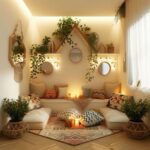
Establishing a cozy corner in your living space can transform how you relax and unwind. A reading nook or relaxation area not only offers comfort but also introduces a personal touch to your home. The first step in this DIY project is to select an optimal location, ideally near a window for natural light, enhancing the ambiance of the space.
For seating, consider repurposing old furniture or investing in a simple DIY bench. A low-profile bench can be created using wooden pallets stacked and secured or by reupholstering an old chair. If comfort is your priority, you might opt for floor cushions or bean bags, which are versatile and easily movable. Ensure that the seating fits harmoniously within the aesthetic of your room to maintain a cohesive design.
Once the seating is in place, adding cushions and throws is essential for achieving a warm atmosphere. Choose fabrics that are soft and inviting, such as cotton or wool blends, and consider using a mix of colors and patterns to create visual interest. Layering different textures with knitted blankets and plush cushions invites relaxation and makes the space irresistibly cozy.
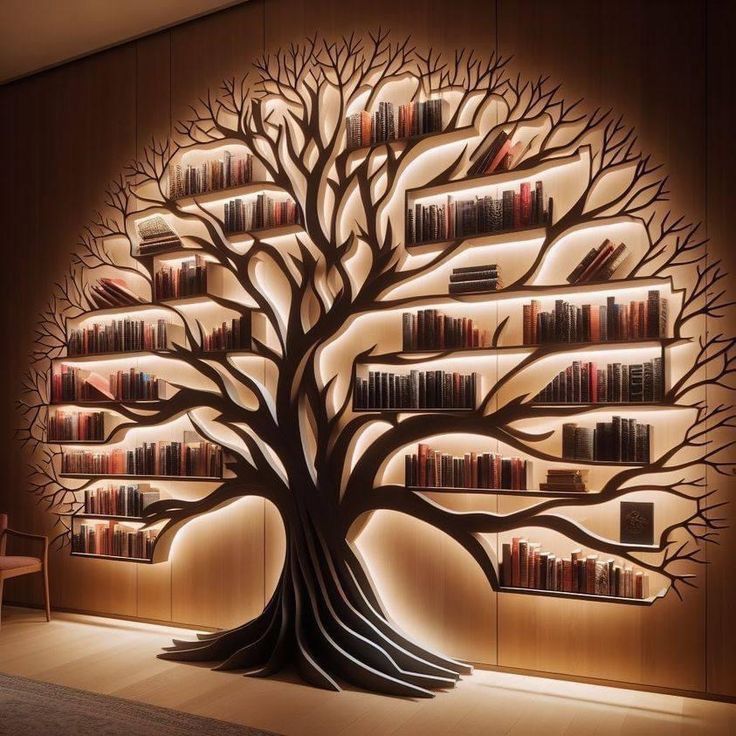
Additionally, decorative elements can enhance the character of your cozy corner. Small bookshelves or floating shelves can hold your favorite novels, while a hanging plant can introduce a refreshing natural element. Incorporating ambient lighting, such as fairy lights or a sleek floor lamp, will add warmth to the nook, making it an ideal spot for reading or leisure. The choice of decor should reflect your personal style, bringing together comfort and personality.
By combining thoughtful seating options with decorative elements, you can create a tranquil retreat within your home that fosters relaxation and enjoyment.
DIY Lighting Projects to Brighten Your Home
Creating your own lighting solutions can profoundly transform your living space, enhancing both its aesthetic and welcoming atmosphere. DIY lighting projects not only allow for creative expression but also enable homeowners to customize their interiors according to personal preferences. Below, we explore two innovative lighting solutions that can infuse any room with warmth and character.
One exciting project involves crafting pendant lights from repurposed materials. Start by collecting items that can be reimagined into unique light fixtures—think a vintage colander, glass jars, or wooden wine crates. After selecting your base, drill a hole at the top to accommodate a pendant light kit. Initially, sand and paint the surface if desired, then attach the light wiring according to the kit instructions. This project combines functionality and creativity, allowing you to showcase your personal style while brightening the room.
Another engaging endeavor is the creation of illuminated wall art. This project can breathe life into dull walls while serving as an artistic focal point. Begin by selecting a canvas or plywood base. You can either draw or paint a design of your choice. Once the artwork is completed, incorporate LED string lights around the edges or within the canvas itself to create a striking effect. By using battery-operated lights, you can easily install the piece in any location without worrying about access to power outlets. This DIY lighting project not only illuminates the space but also adds depth and dimension to your wall decor.
By embracing these DIY lighting projects, you can lighten up your home while expressing your artistry. These simple yet impactful enhancements can help transform your living space into a warmer, more inviting environment while showcasing your creativity.
Gardening Tips for Indoor Plants: Bringing Nature Inside
Incorporating indoor plants into home decor is an effective way to enliven your living space while fostering a sense of tranquility. The presence of greenery can enhance the aesthetic appeal of your home as well as improve air quality. Selecting easy-to-grow plants is a great starting point for both novice and seasoned plant enthusiasts. Consider options like snake plants, pothos, and peace lilies; these varieties are not only forgiving but also thrive in various lighting conditions.
When potting indoor plants, ensure that the pots provide adequate drainage to prevent root rot. Choosing pots with drainage holes is essential, as it allows excess water to escape easily. Additionally, a layer of pebbles or small stones at the bottom of the pot can enhance drainage and promote healthier root growth.
To personalize your indoor gardening experience, consider creating your own DIY plant holders. You can use materials such as repurposed wood, macramé, or even hanging shelves to showcase your plants creatively. For example, attaching several small pots to an old ladder or using woven rope for macramé plant hangers can add a unique touch to your interiors. Make sure to arrange your plants considering their light requirements; placing sun-loving varieties near windows and shade-tolerant ones in cozier corners can optimize their growth.
As you curate your indoor garden, keep in mind the importance of maintenance. Regularly check for pests and wipe down the leaves to promote healthy photosynthesis. Over time, your indoor plants can transform your living space into a vibrant and peaceful sanctuary. Embrace the opportunity to bring nature inside your home, enhancing not only appearance but also your overall well-being.
Decluttering and Organizing: DIY Storage Solutions
Transforming a living space into an organized haven often begins with decluttering. Before embarking on DIY storage projects, it is essential to assess your belongings. Start by categorizing items into three groups: keep, donate, or discard. This not only reduces clutter but also helps you determine what storage solutions will be most effective.
Once you have cleared out the excess, you can focus on creating functional and aesthetically pleasing storage solutions that suit your space. One popular DIY project is constructing storage bins. These can be made from wood, fabric, or even repurposed cardboard boxes. By customizing the size and style, you can ensure that these bins fit perfectly in your available spaces, such as closets, under beds, or shelves.
Another effective organizational strategy is the creation of shelving units. Whether it’s built-in shelves that utilize vertical space or standalone units that can be moved around your home, shelving not only provides storage but also adds decorative appeal. Incorporating baskets or bins on these shelves can enhance organization while allowing for easy access to frequently used items.
For smaller items, jars can serve as an excellent storage alternative. Glass or plastic jars can store everything from office supplies to kitchen utensils, providing a clear view of contents while keeping things tidy. Labeling the jars can further improve organization, making it simpler to locate items when needed.
Incorporating these DIY storage solutions not only streamlines your living space but also contributes to a sense of calm and order. By focusing on personalized projects, you can create a home that reflects your style while remaining functional and organized.
Conclusion
In recent discussions, we have explored a range of easy DIY projects tailored to transform your living space into a more inviting and functional environment. Engaging in do-it-yourself home improvement tasks not only enhances the aesthetic appeal of your home but also fosters a deep sense of accomplishment and satisfaction. The projects covered, from simple decor updates to more substantial renovations, highlight the versatility and adaptability of DIY endeavors.
One of the standout features of DIY projects is their ability to cater to personal tastes and preferences. Whether you opted for a fresh coat of paint or reimagined a forgotten corner of your home, each unexpected transformation serves as a testament to creative expression. By crafting individualized solutions, homeowners can create a space that truly reflects their unique personality and lifestyle.
Moreover, the act of creating something with one’s own hands brings an intrinsic joy that commercial furnishing solutions often fail to provide. The fulfillment derived from completing a project not only boosts one’s confidence but also nurtures a connection with the living space. As a result, investing time in DIY projects becomes more than just a task; it evolves into a rewarding experience that resonates on both personal and emotional levels.
As you contemplate your own home transformation, consider embarking on a DIY journey. Starting with small changes can gradually lead to larger projects, enabling you to witness the remarkable improvements in your environment. Ultimately, embracing the joy of DIY can lead to a more harmonious living space, allowing you to enjoy both the process and the end result. Transforming your home is not just about aesthetics; it is about creating a sanctuary that you cherish and take pride in.