

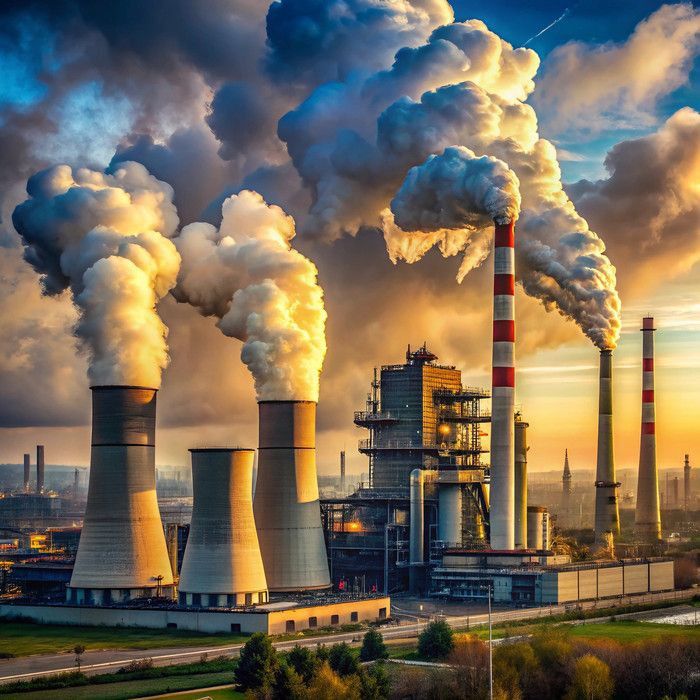
Throughout history, nations with control over valuable energy resources have often gained economic strength and political influence. At the same time, countries that rely heavily on imported energy can become vulnerable to price shocks, supply shortages, and international conflicts. As the world transitions toward cleaner energy, the politics surrounding energy resources are becoming even more complex.
Why Energy Is Politically Important
Energy is essential for modern economies. Factories, vehicles, homes, hospitals, and digital infrastructure all depend on stable energy supplies. Because of this dependence, access to energy resources directly affects national security, economic growth, and international relations.
Countries with large reserves of oil or natural gas often use these resources to strengthen their political and economic position globally. Energy exports can generate massive revenues and increase a nation’s influence over trading partners.
At the same time, countries that import energy may face risks if supplies are disrupted by political disputes, wars, sanctions, or market instability. Energy shortages can increase inflation, weaken economies, and create social unrest.
For these reasons, governments treat energy policy as a strategic priority rather than simply an economic issue.
The Global Importance of Oil and Natural Gas
Oil and natural gas remain the most influential energy resources in global politics. Major oil-producing regions, particularly the Middle East, have played a central role in international relations for decades.
Countries with large oil reserves often hold significant influence over global energy prices. Production decisions by major exporters can affect fuel prices, transportation costs, and inflation worldwide.
Natural gas has also become a critical geopolitical resource. Many countries depend on imported gas for electricity and heating. Pipelines, shipping routes, and export agreements create strong economic and political relationships between nations.
Control over these resources has sometimes led to political tensions and conflicts. Governments may compete for access to energy reserves, transportation routes, or strategic partnerships with exporting countries.
The Role of Major Energy Powers
Several countries and organizations have major influence over global energy markets. Nations with large energy reserves often shape international policies and economic conditions through production levels and trade agreements.
Organization of the Petroleum Exporting Countries, commonly known as OPEC, is one of the most influential energy organizations in the world. Its member countries coordinate oil production policies that can affect global oil prices.
Countries such as Saudi Arabia, Russia, and the United States are among the largest energy producers globally. Their decisions regarding production, exports, and sanctions often influence international markets and political relationships.
Meanwhile, rapidly growing economies such as China and India are increasing global energy demand, creating new geopolitical dynamics and competition for resources.
Energy and Geopolitical Conflicts
Energy resources have often been linked to international conflicts and political disputes. Competition over oil fields, gas pipelines, and maritime routes can increase tensions between countries.
In some cases, governments use energy supplies as political tools. Export restrictions, sanctions, and pricing strategies may be used to pressure rival nations or influence diplomatic negotiations.
Conflicts in energy-rich regions can also affect global markets. Political instability or military actions in major oil-producing areas often lead to concerns about supply disruptions and rising energy prices.
Energy infrastructure itself can become a strategic target during conflicts. Pipelines, refineries, power plants, and shipping routes are critical assets that governments seek to protect.
The Shift Toward Renewable Energy
The global transition toward renewable energy is changing the political landscape of energy. Solar, wind, hydroelectric, and battery technologies are reducing dependence on fossil fuels in many countries.
This shift has the potential to reduce the political influence of traditional oil-exporting nations over time. Countries investing heavily in renewable energy technologies may gain new economic advantages and technological leadership.
However, renewable energy also creates new geopolitical challenges. Technologies such as electric vehicles and battery storage require critical minerals including lithium, cobalt, and rare earth elements. Control over these resources is becoming increasingly important in global politics.
Countries with access to these materials may gain strategic importance similar to traditional oil-producing nations. Competition for mining rights and supply chains is already growing in several regions.
Energy Security and National Strategy
Energy security refers to a country’s ability to maintain stable and affordable access to energy supplies. Governments around the world invest heavily in strategies to protect energy security.
Some countries build strategic oil reserves to prepare for emergencies or supply disruptions. Others diversify energy sources by investing in nuclear power, renewable energy, and domestic production.
Energy independence has become a major political goal for many nations. Reducing reliance on foreign energy can improve economic stability and reduce vulnerability to international crises.
At the same time, complete energy independence is difficult in a globalized economy. Most countries remain connected through international energy markets and supply chains.
The Environmental and Ethical Debate
The politics of energy also involve environmental and ethical concerns. Fossil fuels have supported industrial growth for decades, but they are also major contributors to climate change and environmental pollution.
Governments face pressure to reduce carbon emissions while maintaining economic growth and affordable energy prices. This creates difficult political decisions regarding energy policies, taxes, and environmental regulations.
Developing countries argue that they need affordable energy to support economic growth, while wealthier nations push for faster climate action. These debates often shape international climate agreements and global energy policies.
Energy projects can also affect local communities through land use, environmental damage, and social displacement. As a result, energy politics involve not only governments and corporations but also environmental groups, activists, and citizens.
The Future of Global Energy Politics
The future of energy politics will likely be shaped by technological innovation, climate policies, and changing global power structures. Renewable energy, electric transportation, and energy storage systems are expected to transform how countries produce and consume energy.
At the same time, fossil fuels will continue to play a major role in the global economy for many years. Managing the transition between traditional and renewable energy sources will remain a major political challenge.
Countries that successfully adapt to changing energy systems may strengthen their economic and geopolitical influence. Those heavily dependent on outdated energy models could face economic difficulties and political instability.
Conclusion
Energy is far more than a source of power—it is a foundation of global politics, economic influence, and national security. Control over oil, natural gas, and emerging renewable resources shapes relationships between countries and affects the balance of global power.
Recent global developments have shown how energy supplies can influence economies, political decisions, and international stability. As the world moves toward cleaner energy systems, new opportunities and conflicts are likely to emerge.
Understanding the politics of energy is essential for understanding modern global affairs. The future of energy will not only determine how societies power their economies but also who holds influence in the international system.
Frequently Asked Questions (FAQs)
Why is energy important in global politics?
Energy is essential for economic growth, transportation, industry, and national security, making it a major factor in international relations.
What countries control most of the world’s oil?
Countries such as Saudi Arabia, Russia, the United States, and several OPEC members are among the largest oil producers globally.
What is OPEC?
OPEC is an international organization of oil-producing countries that coordinates oil production policies to influence global oil markets.
How do energy prices affect economies?
Higher energy prices can increase transportation and manufacturing costs, leading to inflation and slower economic growth.
What is energy security?
Energy security refers to a country’s ability to maintain reliable and affordable access to energy supplies.
How is renewable energy changing global politics?
Renewable energy reduces dependence on fossil fuels and creates new competition for critical minerals used in clean energy technologies.
Why do countries compete over energy resources?
Countries compete for energy resources because they are essential for economic stability, industrial growth, and political influence.
Can renewable energy replace fossil fuels completely?
Renewable energy is growing rapidly, but fossil fuels are still widely used. The transition to cleaner energy is expected to take many years.