
Media plays a powerful role in modern society. It informs people about current events, spreads knowledge, entertains audiences, and influences the way individuals think about social, political, and cultural issues. From newspapers and television to social media platforms and online news websites, media has become an essential part of daily life. Public opinion, which refers to the collective views and beliefs of people on important matters, is greatly shaped by the information presented through media channels.
In today’s digital world, media not only reports events but also affects how people understand and react to them. The language, images, headlines, and discussions presented in media can influence emotions, attitudes, and decisions.
Media as a Source of Information
One of the primary functions of media is to provide information. People depend on news channels, websites, radio stations, and social media for updates about politics, health, education, entertainment, and global affairs.
When media delivers accurate and balanced information, it helps citizens make informed decisions. For example, during elections, people learn about political parties, government policies, and public issues through media coverage. Similarly, during emergencies such as natural disasters or health crises, media becomes a critical tool for spreading awareness and safety instructions.
However, the way information is presented can strongly affect public understanding. Repeated coverage of certain topics often makes people consider those issues more important than others.
Influence of Social Media
Social media has transformed communication in recent years. Platforms such as Facebook, Instagram, X, and TikTok allow people to share opinions instantly with a global audience.
Unlike traditional media, social media gives ordinary individuals the ability to create and distribute content. This has increased freedom of expression and public participation in discussions. Viral posts, hashtags, and online campaigns can quickly shape public opinion and influence government actions or corporate decisions.
At the same time, social media can also spread misinformation and fake news. False information shared repeatedly may confuse audiences and create misunderstandings. Because of this, media literacy and fact-checking have become increasingly important.
Media and Politics
Media has a strong connection with politics. Political leaders use television interviews, speeches, advertisements, and social media campaigns to communicate with the public. News organizations also influence political debates by deciding which issues receive the most attention.
Sometimes, media coverage can positively encourage public participation in democratic processes. Investigative journalism can expose corruption and hold leaders accountable. On the other hand, biased reporting may influence voters unfairly by favoring certain political groups or viewpoints.
Political debates on television and online platforms often shape how citizens view candidates and national issues. As a result, media can directly affect election outcomes and government policies.
The Impact of Media on Society
Media influences not only politics but also social values and cultural trends. Television programs, films, advertisements, and online content affect how people view beauty, success, relationships, and lifestyle choices.
Positive media campaigns can encourage social change by promoting education, environmental protection, equality, and public health awareness. For example, campaigns against smoking or support for women’s rights have influenced public attitudes in many countries.
However, excessive exposure to negative or unrealistic content may also create fear, anxiety, or unhealthy social comparisons. Therefore, responsible media practices are necessary to maintain a balanced and informed society.
The Importance of Responsible Journalism
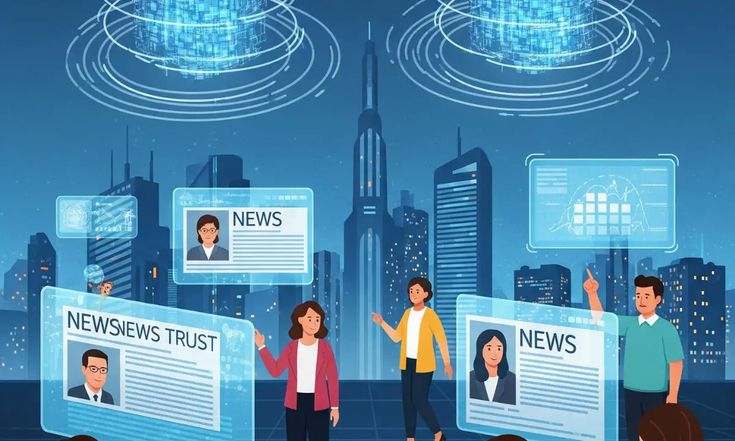
Responsible journalism is essential for maintaining public trust. Journalists and media organizations should present facts accurately, avoid spreading rumors, and provide balanced viewpoints.
Ethical media practices help protect democracy and encourage healthy public discussion. Audiences also share responsibility by verifying information before sharing it online. Critical thinking and media literacy allow people to distinguish between reliable reporting and misleading content.
Governments, educational institutions, and media companies must work together to promote truthful communication and prevent the harmful effects of misinformation.
Conclusion
Media is one of the most influential forces in shaping public opinion. It informs, educates, and connects people across the world. Through traditional broadcasting and digital platforms, media affects political decisions, social attitudes, and cultural values.
While media can promote awareness and positive change, it can also spread bias and misinformation if used irresponsibly. Therefore, both media organizations and audiences must act responsibly to ensure that information remains accurate, fair, and beneficial for society.
Frequently Asked Questions (FAQs)
1. What is public opinion?
Public opinion refers to the collective beliefs, attitudes, and views of people about social, political, and cultural issues.
2. How does media influence public opinion?
Media influences public opinion by selecting which stories to highlight, presenting information in certain ways, and shaping discussions through news, entertainment, and social media content.
3. Why is social media important in modern communication?
Social media allows people to communicate instantly, share ideas globally, and participate in public discussions more actively than traditional media.
4. What are the dangers of misinformation?
Misinformation can create confusion, spread fear, damage reputations, and influence public decisions based on false or misleading information.
5. What is responsible journalism?
Responsible journalism involves accurate reporting, fact-checking, fairness, and presenting balanced viewpoints without spreading false information.
6. How can people avoid fake news?
People can avoid fake news by checking reliable sources, verifying facts, reading from trusted organizations, and thinking critically before sharing information online.
7. Can media bring positive social change?
Yes, media can promote awareness about important issues such as education, health, equality, and environmental protection, encouraging positive social change.