

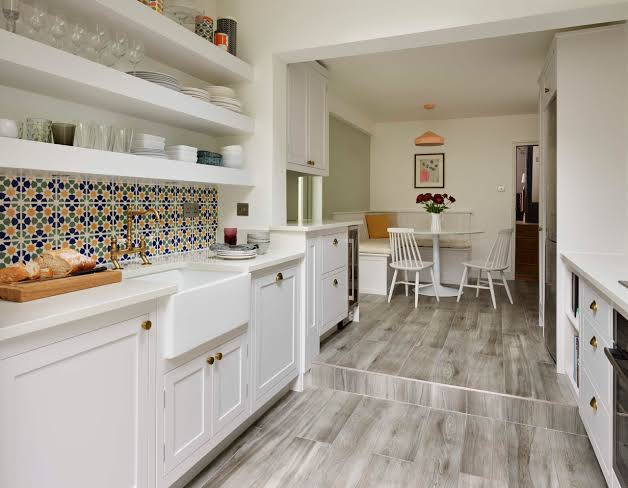
A modern bathroom can completely change the look, comfort, and functionality of a home. Whether you are renovating a small guest bathroom, updating a family bathroom, or creating a relaxing master bathroom, thoughtful design choices can make the space feel cleaner, brighter, and more comfortable.
Modern bathroom renovation is not only about choosing attractive tiles and fixtures. It is also about improving storage, lighting, ventilation, layout, accessibility, and everyday usability. Current bathroom renovation guidance emphasizes combining functional lighting, practical storage, suitable flooring, updated fixtures, and effective ventilation.
If you are planning a bathroom makeover, the following ideas can help you create a modern space that looks stylish while remaining practical.
1. Start With a Practical Bathroom Layout
Before choosing colors or fixtures, think carefully about the layout.
Consider where the shower, bathtub, toilet, vanity, storage, and door are positioned. A good layout should provide enough room to move comfortably while making everyday activities convenient.
If the existing plumbing locations already work well, keeping major fixtures in their current positions may reduce the complexity and cost of the renovation. If the layout is causing problems, however, moving fixtures may be worthwhile during a larger renovation.
The goal should be to create a bathroom that looks modern without sacrificing functionality.
2. Create a Walk-In Shower
Walk-in showers are one of the most popular features for contemporary bathrooms.
A glass-enclosed shower can make the bathroom appear more open because it creates fewer visual barriers. A curbless shower can provide an even more seamless appearance by reducing the transition between the bathroom floor and shower area.
For smaller bathrooms, a well-designed walk-in shower can also make better use of limited space.
Before removing a bathtub, consider your household’s needs. If the home has another bathtub that serves children or other household members, replacing one less-used tub with a shower may be more practical.
3. Use Frameless or Minimal-Frame Glass
Glass can be an excellent choice for creating a clean modern bathroom.
A frameless or minimally framed shower enclosure allows light to move through the space and keeps the shower visually connected to the rest of the room. This can be particularly helpful in smaller bathrooms.
A recent bathroom renovation example from Home Depot describes replacing a visually restrictive shower surround with glass to allow more light into the room and make the same-sized shower feel larger.
Clear glass also allows decorative shower tile to become part of the overall bathroom design.
4. Choose Large-Format Tiles
Large-format tiles can give a bathroom a clean and contemporary appearance.
Because larger tiles generally create fewer grout lines, they can produce a less fragmented visual effect. This can be especially useful in a smaller bathroom.
Large porcelain tiles can also provide the appearance of stone or marble while offering a practical surface for walls and floors.
Choose tiles according to the bathroom’s size, moisture conditions, maintenance requirements, and overall design.
5. Take Wall Tiles Toward the Ceiling
Extending wall tile upward can create a strong vertical effect.
Floor-to-ceiling tile can make the walls appear taller and create a more continuous appearance. A recent modern bathroom renovation example used floor-to-ceiling tile specifically to visually expand a small bathroom.
This approach can work particularly well with light-colored tiles and simple grout lines.
You do not necessarily have to tile every wall. A feature wall behind the vanity or shower can provide a similar design effect while controlling costs.
6. Select a Neutral Color Palette
Modern bathrooms often benefit from a simple color palette.
White, beige, gray, cream, natural stone tones, and soft earthy colors can create a calm foundation. You can then introduce stronger colors through towels, artwork, plants, accessories, or decorative pieces.
A neutral foundation can also make it easier to update the bathroom later without replacing permanent fixtures.
If you prefer darker colors, use them strategically rather than allowing them to dominate a small or poorly lit room.
7. Add a Floating Vanity
A floating vanity can give a bathroom a contemporary appearance while creating a sense of openness beneath the cabinet.
The open floor area can make the room feel less crowded, particularly in smaller bathrooms.
Floating vanities can also provide useful storage through drawers and cabinets. When choosing one, pay attention to the number of drawers, countertop space, sink position, and plumbing requirements.
Storage should be attractive but also easy to use.
8. Upgrade the Bathroom Vanity
The vanity is often one of the most noticeable pieces of bathroom furniture.
A modern vanity can combine storage, countertop space, a sink, and attractive finishes in one unit. Consider a vanity with deep drawers if you need convenient storage for toiletries and grooming products.
Home Depot’s bathroom remodeling guidance recommends considering quality cabinetry and roomy vanity drawers when updating a bathroom.
For a small bathroom, choose a vanity that provides enough storage without overwhelming the available floor area.
9. Install a Large Mirror
A large mirror can make a bathroom feel brighter and more spacious.
Instead of using a small mirror above the sink, consider a wider mirror that complements the vanity. In a double-sink bathroom, one large mirror can create a unified appearance, while two individual mirrors can provide a more structured design.
You can also choose a backlit or illuminated mirror for a modern appearance.
10. Improve Bathroom Lighting
Lighting is one of the most important parts of a bathroom renovation.
A modern bathroom should ideally have multiple layers of lighting rather than relying entirely on one ceiling fixture.
Ambient lighting provides general illumination, while task lighting around the vanity helps with grooming and daily activities. Accent lighting can be used to highlight architectural details or decorative features.
Modern bathroom renovation guidance recommends planning decorative, ambient, and task lighting together.
If the bathroom has a window, maximize natural light where privacy and design allow.
11. Add Under-Vanity Lighting
Under-vanity lighting can create a subtle modern effect.
LED lighting beneath a floating vanity can provide a soft glow at night without requiring bright overhead lighting. It can also emphasize the floating appearance of the cabinet.
Warm or neutral lighting can create a relaxing atmosphere, while brighter task lighting should be available around the mirror.
12. Choose Modern Bathroom Fixtures
Replacing outdated faucets, showerheads, handles, and other fixtures can make a surprisingly large difference.
Modern fixtures are available in finishes such as chrome, brushed nickel, matte black, brushed brass, and other styles.
Try to create consistency between the major finishes. Matching or coordinating the faucet, shower hardware, cabinet handles, towel bars, and lighting can make the bathroom look more professionally designed.
13. Consider Matte Black Fixtures
Matte black fixtures can create strong contrast against light walls and tiles.
A black faucet, shower frame, mirror frame, or cabinet hardware can become a design feature without requiring major structural changes.
However, avoid adding too many competing finishes. A simple combination of light surfaces and carefully selected dark hardware can create a sophisticated modern appearance.
14. Introduce Warm Wood Elements
Modern bathrooms do not have to feel cold or sterile.
Natural wood or wood-look finishes can introduce warmth into a bathroom dominated by tile, glass, and metal.
A wooden vanity, floating shelf, framed mirror, or small decorative stool can soften a minimalist design.
Choose materials that are appropriate for the bathroom environment and follow manufacturer recommendations for moisture exposure and maintenance.
15. Create a Walk-In Shower Niche
A recessed shower niche can provide convenient storage without taking up floor space.
Instead of placing bottles on the shower floor or using bulky external organizers, a properly waterproofed niche can keep toiletries neatly arranged.
A niche can also become a design feature when finished with contrasting tile or a complementary material.
Proper waterproofing is essential, so this is an area where professional installation may be appropriate.
16. Add a Shower Bench
If space permits, a built-in shower bench can add comfort and functionality.
A bench can be useful when shaving, bathing children, or simply taking a more relaxed shower. It can also provide a convenient place to keep certain shower products.
For accessibility, shower benches and other supportive features can be particularly valuable. Walk-in shower guidance also highlights benches as a useful feature when space and user needs justify them.
17. Upgrade the Shower System
A modern shower can include more than a traditional showerhead.
Depending on your budget and plumbing setup, you could consider a handheld showerhead, rainfall-style showerhead, body sprays, or a thermostatic or pressure-balanced system.
The right choice depends on personal preference, water pressure, plumbing configuration, and local requirements.
Avoid choosing complicated features simply because they look impressive. Prioritize features you will actually use.
18. Improve Bathroom Ventilation
Ventilation is one of the most important practical elements of a bathroom renovation.
Bathrooms naturally produce moisture from showers and baths. Without adequate ventilation, excessive humidity can contribute to mold, mildew, odors, and deterioration of some materials.
An appropriately sized exhaust fan can help remove moisture. Home Depot’s bathroom remodeling guidance recommends upgrading exhaust ventilation and selecting a fan designed for the size of the bathroom.
Make ventilation part of the renovation plan rather than treating it as an afterthought.
19. Choose Easy-to-Maintain Materials
A beautiful bathroom should also be easy to clean.
Large-format tiles, smooth countertops, practical shower surfaces, and well-designed storage can reduce cleaning difficulties.
When selecting materials, consider how they respond to water, cleaning products, humidity, and everyday use.
A modern bathroom should not require excessive maintenance simply to keep it looking attractive.
20. Use Slip-Resistant Flooring
Bathroom floors become wet, so safety should always be considered.
Choose flooring that is appropriate for wet environments and provides suitable traction. Porcelain and ceramic tiles are popular choices, but the specific product should be selected according to its intended use and manufacturer’s recommendations.
Texture, tile size, grout, and installation all influence how a bathroom floor performs.
Modern style should always work together with safety.
21. Consider Heated Flooring
If your budget allows, heated bathroom flooring can add comfort and a touch of luxury.
Stepping onto a warm floor after a shower can make the bathroom feel more comfortable, particularly in colder climates.
Electric underfloor heating systems can be incorporated during renovation, but installation should follow applicable electrical and building requirements.
This feature is easier to install when planned before the new flooring is completed.
22. Create a Spa-Like Atmosphere
You can make a modern bathroom feel more relaxing without turning it into an expensive luxury spa.
Soft lighting, natural materials, neutral colors, plants suitable for humid environments, attractive towels, and uncluttered surfaces can all contribute to a calming atmosphere.
A rainfall showerhead, built-in niche, bench, and warm wood accents can further reinforce the spa-inspired design.
The key is restraint. A modern bathroom often looks better when it has a few carefully selected features rather than dozens of decorative objects.
23. Use Smart Bathroom Technology
Technology can make a modern bathroom more convenient.
Depending on your budget, smart features can include illuminated mirrors, motion-activated lighting, smart ventilation controls, digital shower systems, heated seats, or other connected fixtures.
Not every bathroom needs advanced technology. Choose features that solve genuine problems or improve everyday convenience.
Technology should support the design rather than dominate it.
24. Add More Storage Without Making the Room Crowded
Storage is essential in a modern bathroom.
A cluttered countertop can quickly make even a newly renovated bathroom look untidy. Use vanity drawers, wall cabinets, recessed niches, shelves, and medicine cabinets to keep everyday items organized.
If floor space is limited, use vertical storage.
A recessed medicine cabinet can provide useful storage while maintaining a relatively clean wall appearance.
25. Use a Backlit Mirror
A backlit mirror can combine practical lighting with modern design.
The soft illumination around the mirror creates an attractive focal point and can provide useful light for grooming.
Some modern mirrors also include features such as anti-fog functions, adjustable lighting, or integrated controls.
Choose features based on your needs rather than selecting technology simply for appearance.
26. Add a Statement Wall
If you want more personality, create one feature wall.
A statement wall could use patterned tile, stone-look porcelain, textured material, or a contrasting paint color suitable for bathroom conditions.
The wall behind the vanity or shower is often a natural place for this feature.
Keeping the remaining surfaces relatively simple can prevent the design from becoming overwhelming.
27. Keep the Design Consistent
A modern bathroom looks more polished when the individual elements work together.
For example, brushed brass fixtures can be repeated through cabinet handles and lighting details. Similarly, black fixtures can be paired with a black-framed mirror or small black accents.
You do not need every element to match exactly, but the finishes should feel intentional.
28. Consider Accessibility From the Beginning
A bathroom renovation provides an opportunity to make the space easier and safer to use.
Depending on household needs, you might consider a curbless shower, wider entry, handheld showerhead, shower bench, strategically placed grab-bar reinforcement, or other accessibility features.
Some accessibility improvements are much easier to incorporate during a renovation than after the walls and flooring are finished.
Designing for accessibility can also make the bathroom more comfortable for people with different mobility needs.
29. Update Small Details
You do not always need to completely rebuild a bathroom to create a modern appearance.
New towel bars, cabinet handles, mirrors, lighting, faucets, shower hardware, and accessories can transform an older space.
A budget-friendly makeover can focus on high-visibility details while leaving functional elements such as plumbing locations unchanged.
This can be a practical approach when the existing layout works well.
30. Plan Your Budget Before Renovating
Bathroom renovations can become expensive when decisions are made without a clear budget.
Before starting, divide your budget between major categories such as fixtures, plumbing, electrical work, tile, cabinetry, lighting, ventilation, labor, and finishing touches.
Leave some money available for unexpected problems. Older bathrooms can sometimes reveal plumbing, moisture, electrical, or structural issues once work begins.
A realistic budget helps you decide where to spend more and where to simplify.
Modern Bathroom Renovation on a Budget
You do not need a luxury budget to create a modern bathroom.
Start by identifying the features that make the biggest visual difference. A new mirror, lighting fixture, faucet, vanity hardware, fresh paint, and updated accessories can create significant improvements.
If the shower and bathtub are still in good condition, you may be able to update the surrounding finishes and fixtures rather than replacing everything.
Similarly, if the existing vanity is structurally sound, repainting it or replacing the countertop and hardware may be more affordable than purchasing a completely new unit.
A recent budget bathroom makeover example demonstrates how tile, fixtures, and carefully selected updates can create a refreshed appearance without relying entirely on high-cost features.
Bathroom Renovation Mistakes to Avoid
One common mistake is choosing design features before considering the layout. A beautiful fixture will not solve a bathroom that has poor circulation or inadequate storage.
Another mistake is ignoring ventilation. Moisture management is essential for protecting the renovated space.
Choosing materials based only on appearance can also cause problems. Bathroom surfaces need to withstand water, humidity, cleaning, and everyday use.
Finally, avoid filling the bathroom with too many competing trends. A simple, coordinated design is more likely to remain attractive over time.
Final Thoughts
A modern bathroom should combine style, comfort, storage, safety, and practicality. You do not need to include every modern feature to achieve a beautiful result.
Start by improving the layout and lighting, then choose durable flooring, attractive wall finishes, practical storage, and fixtures that fit the size of the room. A walk-in shower, glass enclosure, floating vanity, large mirror, recessed niche, and coordinated hardware can all contribute to a contemporary appearance.
Most importantly, design the bathroom around the people who will use it. When functionality and aesthetics work together, a renovation can create a space that feels modern today and remains useful for years.
Frequently Asked Questions
1. What is the most popular modern bathroom renovation idea?
Walk-in showers, large-format tiles, floating vanities, glass shower enclosures, modern lighting, and minimalist fixtures are common elements in contemporary bathroom designs. The right combination depends on the size and needs of the bathroom.
2. How can I make a small bathroom look more modern?
Use a simple color palette, improve lighting, reduce visual clutter, install a large mirror, and consider a glass shower enclosure. Light-colored tiles and continuous surfaces can also make a compact bathroom feel more open.
3. Is a walk-in shower better than a bathtub?
It depends on your household. A walk-in shower can improve accessibility and make a bathroom feel more open, while a bathtub may be important for children or for homeowners who enjoy bathing. Consider how the bathroom will actually be used before making the change.
4. What colors are best for a modern bathroom?
Neutral colors such as white, gray, beige, cream, and natural stone tones are versatile choices. You can add stronger colors through accessories, artwork, towels, or a feature wall.
5. Are floating bathroom vanities a good idea?
Floating vanities can provide a clean modern appearance and make the floor underneath more visible. They can also provide useful drawer storage while keeping the bathroom visually less crowded.
6. How can I add storage to a small bathroom?
Use vanity drawers, recessed shower niches, medicine cabinets, wall shelves, and vertical cabinets. Recessed storage is especially useful because it can provide capacity without significantly reducing floor space.
7. What type of lighting should a modern bathroom have?
A combination of ambient, task, and accent lighting can provide better results than a single ceiling fixture. Task lighting around the vanity is particularly useful for grooming, while additional lighting can illuminate the shower and general room.
8. Should bathroom tiles go all the way to the ceiling?
Floor-to-ceiling tile can create a continuous appearance and emphasize vertical space. It can be particularly effective in small bathrooms, although the decision should also consider budget, maintenance, and the overall design.
9. How important is bathroom ventilation?
Ventilation is extremely important because bathrooms produce significant moisture. An appropriately sized exhaust fan can help remove humid air and reduce the risk of moisture-related problems.
10. How can I renovate a bathroom on a small budget?
Focus on high-impact improvements such as lighting, mirrors, faucets, hardware, paint, accessories, and storage. If the existing layout and major plumbing are functional, keeping them in place can help control renovation costs.
11. What flooring is best for a modern bathroom?
Ceramic and porcelain tile are common choices because they are available in many designs and are suitable for bathroom applications. Select flooring specifically intended for wet areas and consider slip resistance as part of the decision.
12. How can I make my bathroom feel like a spa?
Use neutral colors, soft lighting, natural textures, clean surfaces, comfortable towels, plants suitable for humid environments, and a well-designed shower. A bench, rainfall showerhead, and recessed niche can add additional comfort without requiring excessive decoration.