

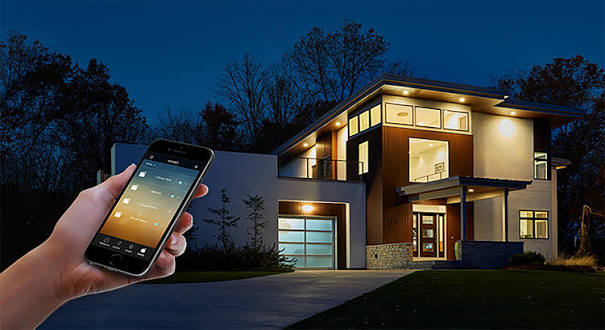
Lighting plays an important role in how a home looks, feels, and functions. While traditional light switches provide basic control, smart lighting systems can offer greater flexibility through features such as scheduling, dimming, remote control, automation, and voice commands.
Smart lighting can be useful in almost every room of the home. It can help create a comfortable atmosphere, make everyday routines more convenient, improve control over energy use, and add another layer of functionality to a modern home.
The key is to choose smart lighting features that genuinely fit your lifestyle rather than adding technology simply for its own sake.
What Is Smart Lighting?
Smart lighting refers to lighting products that can be controlled or automated through digital technology. Depending on the system, users may control lights through a smartphone app, remote control, voice assistant, motion sensor, or central smart-home platform.
Smart bulbs, smart switches, smart plugs, and connected lighting fixtures are some of the common options available.
Some systems can also connect different lights together, allowing homeowners to create customized scenes or routines.
Improve Everyday Convenience
One of the simplest advantages of smart lighting is convenience.
Instead of walking around the house to switch individual lights on or off, you can control connected lights from a phone or another compatible control system.
For example, you could turn off downstairs lights after getting into bed or switch on outdoor lighting before arriving home.
These small conveniences can make everyday routines easier.
Create Customized Lighting Scenes
Smart lighting allows different lights to be combined into scenes designed for particular activities.
A movie-night setting could reduce the brightness of the main lights, while a reading scene could provide brighter illumination in a specific area.
You can also create different settings for entertaining guests, relaxing in the evening, working, or preparing meals.
This flexibility can make the same room feel different depending on how it is being used.
Control Brightness More Easily
Dimming can have a major effect on the atmosphere of a room.
Smart bulbs and compatible smart switches can allow brightness levels to be adjusted without installing traditional dimmer controls, provided the products are designed to work together.
Lower lighting can create a softer atmosphere in bedrooms and living rooms, while brighter lighting can be useful for kitchens, home offices, and task-oriented activities.
Automate Your Lighting
Automation is one of the most useful features of smart lighting.
Lights can potentially be scheduled to turn on or off at particular times, depending on the system and configuration.
For example, bedroom lights could gradually turn on in the morning, hallway lighting could operate during particular hours, or outdoor lights could follow a programmed schedule.
Automation reduces the need to remember routine lighting tasks.
Use Motion Sensors
Motion sensors can make lighting more responsive.
A hallway light can turn on when someone enters the area and switch off after a period of inactivity. Similar arrangements can be useful in closets, garages, utility rooms, and other spaces where lights are often accidentally left on.
Sensor-based lighting can be particularly convenient when your hands are occupied.
Manage Lighting From Your Phone
Many smart lighting systems provide smartphone control.
This can allow homeowners to check lighting status, change settings, adjust brightness, or operate lights remotely when the system supports these features.
Remote control can be useful if you leave home and are unsure whether a particular light was switched off.
Integrate With Voice Control
Compatible smart lighting systems can often be connected to voice-control platforms.
This allows users to issue commands such as turning lights on, switching them off, or adjusting brightness without physically touching a switch.
Voice control can be especially convenient when entering a dark room, carrying objects, or relaxing on the sofa.
Support a More Energy-Conscious Home
Smart lighting can provide tools that help homeowners manage electricity use more effectively.
Scheduling and automation can reduce situations where lights remain on unnecessarily. Motion sensors can also switch lights off when areas are not being used.
However, smart technology itself does not automatically guarantee lower energy consumption. The efficiency of the bulbs, lighting habits, automation settings, and electricity use all influence the actual results.
Using efficient LED lighting alongside sensible controls can provide a practical approach to reducing lighting-related energy use.
Improve Home Security
Lighting can also play a role in home security.
Scheduled or automated lights can make a home appear occupied when residents are away. Outdoor lighting can also improve visibility around entrances, pathways, and other areas.
Smart lighting should not be considered a complete security system, but it can complement other security measures such as locks, cameras, alarms, and motion sensors.
Make Outdoor Areas More Functional
Smart lighting is not limited to indoor spaces.
Connected outdoor lights can be used around patios, pathways, gardens, garages, and entrances. Scheduling and sensor features can make outdoor lighting more convenient to manage.
When installing outdoor smart lighting, choose products specifically designed and rated for outdoor conditions.
Improve the Home Office
A well-designed lighting system can make a home office more comfortable and functional.
Smart controls allow users to adjust lighting according to the time of day and the task being performed. Brighter task lighting may be useful for detailed work, while softer lighting can be appropriate during breaks or less demanding activities.
The goal should be to create comfortable illumination while minimizing glare and distracting reflections.
Create a More Relaxing Bedroom
Bedrooms can benefit from lighting that changes according to different parts of the daily routine.
Lower-intensity lighting in the evening can create a calmer atmosphere, while scheduled lighting can provide gentle illumination in the morning.
Smart lighting also allows bedside lights to be controlled without getting out of bed, depending on the system.
Improve Kitchen Lighting
Kitchens typically require multiple types of lighting because they serve several purposes.
General ceiling lighting can provide overall illumination, while under-cabinet or task lighting can brighten food preparation areas.
Smart controls can allow different lighting zones to be adjusted independently, making it easier to adapt the kitchen to cooking, cleaning, dining, or entertaining.
Add Color Without Repainting
Some smart bulbs offer adjustable color temperatures or colored lighting.
Color-changing features can be useful for creating different moods or decorative effects. However, they are not necessary for every room.
For everyday residential lighting, adjustable white light can often provide more practical flexibility than frequently changing bright colors.
Connect Lighting With Other Smart Devices
Smart lighting can become more useful when integrated with other compatible smart-home devices.
For example, a motion sensor might trigger a hallway light, or a smart-home routine might coordinate lighting with other household functions.
The exact capabilities depend on the products, communication standards, apps, and platforms being used.
Before purchasing multiple products, check compatibility to avoid creating a collection of devices that cannot work together.
Consider Smart Switches Instead of Smart Bulbs
Smart bulbs are not the only way to create connected lighting.
Smart switches can control existing compatible light fixtures while providing features such as remote operation, scheduling, and automation.
This can be particularly useful when a room contains several bulbs controlled by one switch.
However, electrical work should be approached carefully. Where professional installation is required or local regulations apply, a qualified electrician should handle the work.
Think About Privacy and Security
Connected lighting systems can involve apps, wireless networks, accounts, and cloud services.
As with other connected devices, homeowners should pay attention to account security, software updates, permissions, and the privacy policies associated with the products they use.
Using strong account credentials and keeping compatible devices and apps updated can help reduce avoidable security risks.
Plan Your Smart Lighting Before Buying
It can be tempting to purchase smart bulbs one at a time without considering the larger system.
A better approach is to think about which rooms need smart controls, which features matter most, and whether the products will work together.
Consider whether you want app control, voice control, scheduling, motion detection, dimming, adjustable color temperature, or integration with other smart-home devices.
Planning ahead can prevent compatibility problems and unnecessary purchases.
Frequently Asked Questions
Is smart lighting worth it for a home?
Smart lighting can be useful for homeowners who value convenience, automation, remote control, scheduling, or integration with other smart-home devices. The benefits depend on how those features are used.
Can smart lighting save electricity?
It can help reduce unnecessary lighting through schedules, sensors, and remote control. Pairing smart controls with efficient LED bulbs can provide additional energy benefits, although actual savings depend on usage.
Can I control smart lights from my phone?
Many smart lighting systems support smartphone control through a dedicated app. Features vary between manufacturers and products.
Do smart lights work without Wi-Fi?
Some smart lighting systems can continue to provide basic local control without an internet connection, while others rely more heavily on Wi-Fi or cloud services. Check the specifications of the specific system before purchasing.
Can smart lighting improve home security?
Smart lighting can support security by providing scheduled or automated illumination and improving visibility. It should be considered a supplement to, rather than a replacement for, other security measures.
Are smart bulbs difficult to install?
Many smart bulbs can be installed similarly to conventional bulbs. Smart switches and hardwired fixtures may require electrical knowledge or professional installation.
Can smart lights be used in every room?
Smart lighting can be used in many areas of a home, including bedrooms, kitchens, living rooms, offices, hallways, garages, and suitable outdoor areas. Product selection should match the conditions of each location.
Conclusion
Smart lighting can improve a home by combining traditional illumination with greater control and automation. Features such as scheduling, dimming, motion detection, remote access, voice commands, and customized scenes can make everyday lighting more convenient and adaptable.
The most effective smart lighting setup does not necessarily need to be complicated. Start with the rooms and features that provide the most practical benefit, choose compatible products, and consider energy efficiency and security alongside convenience.
With thoughtful planning, smart lighting can become a useful part of a modern home while improving both functionality and atmosphere.