
Why Quito Is Worth Visiting
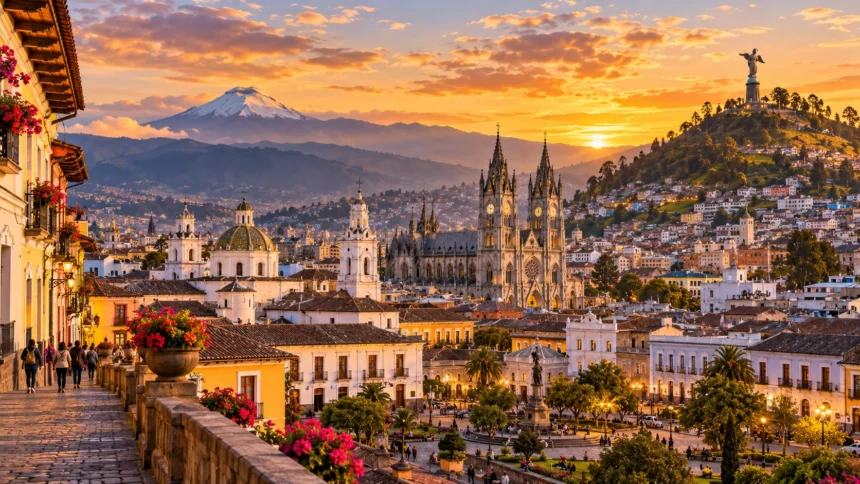
Quito is one of South America’s most fascinating capital cities, combining colonial architecture, dramatic mountain scenery, historic churches, lively neighborhoods, and traditional markets. Set high in the Andes, the city offers a distinctive atmosphere shaped by altitude, volcanic landscapes, and centuries of history. Travelers can experience impressive viewpoints, museums, local food, cultural landmarks, and outdoor adventures without traveling far from the urban center.
One of Quito’s greatest strengths is the contrast between its historic and modern areas. The old town contains grand plazas, narrow streets, ornate churches, and beautifully preserved buildings, while newer districts offer restaurants, cafés, nightlife, and contemporary culture. This variety makes Quito appealing to history lovers, photographers, food travelers, and visitors interested in experiencing everyday Ecuadorian life.
Quito can also serve as a useful base for exploring surrounding attractions in the Andes. Travelers can take day trips to nearby volcanoes, traditional towns, nature reserves, and the famous Equator monument area. Spending several days in the city allows enough time to appreciate its cultural depth while also adjusting gradually to the high elevation.
Explore Quito’s Historic Old Town
Quito’s historic center is one of the best places to begin exploring the city. Cobblestone streets, grand plazas, churches, government buildings, and traditional balconies create a memorable setting for walking. Plaza Grande forms the heart of the district and provides easy access to several important landmarks, making it a practical starting point for a self-guided sightseeing route.
The old town is best experienced slowly rather than by rushing between attractions. Walk through side streets, observe architectural details, and stop at local cafés or small shops along the way. Many buildings reflect Spanish colonial influences mixed with local artistic traditions, giving the district a character that feels both historic and distinctly Ecuadorian.
Morning is often a good time to explore because streets may feel calmer and temperatures are comfortable for walking. Wear supportive shoes because Quito’s hills and uneven surfaces can make sightseeing more tiring than expected. Taking regular breaks also helps visitors adjust to the city’s elevation while enjoying the historic surroundings at a relaxed pace.
Visit the Basilica del Voto Nacional
The Basilica del Voto Nacional is one of Quito’s most recognizable landmarks and offers an impressive combination of architecture and city views. Its Gothic-inspired design stands out from many other historic buildings in the capital. Visitors can explore parts of the church and appreciate the detailed stonework, stained glass, towers, and unusual decorative features.
One of the most memorable aspects of visiting the basilica is the opportunity to reach elevated sections that provide broad views across Quito. The city’s mountain setting becomes much easier to understand from above. Travelers who are comfortable with heights can enjoy dramatic perspectives, although some upper areas may feel challenging for visitors who dislike steep stairs.
Allow enough time to appreciate both the interior and exterior instead of treating the basilica as a quick photo stop. The surrounding streets also provide interesting viewpoints and local atmosphere. Combining this attraction with the historic center works well because several other major Quito landmarks are located within a relatively manageable walking distance.
See the Golden Interior of La Compañía de Jesús
La Compañía de Jesús is one of Quito’s most remarkable religious buildings and is known for its richly decorated interior. The church features elaborate details, gilded surfaces, carved elements, and artistic work that reflects the city’s colonial religious heritage. Even visitors who are not particularly interested in churches may find the level of craftsmanship impressive.
Take time to look closely at the decorative patterns rather than moving quickly through the space. The combination of gold, paintings, sculpture, and architectural details creates an overwhelming visual effect that rewards careful observation. A quiet visit also allows you to appreciate the atmosphere and understand why the church is considered an important cultural landmark.
Because this remains an active religious site, visitors should dress respectfully and behave quietly. Photography rules may vary, so always follow instructions posted inside. Including La Compañía in a walking route through central Quito is easy, and the visit adds a valuable artistic dimension to a day focused on historical sightseeing.
Ride the TelefériQo for Mountain Views
The TelefériQo is one of the best experiences in Quito for travelers who want dramatic views without leaving the city. The cable car climbs high above the urban area toward the slopes of Pichincha, offering impressive scenery throughout the journey. As you rise, Quito’s long valley, surrounding mountains, and distant peaks become increasingly visible.
At the upper station, visitors can enjoy viewpoints, walking areas, and fresh mountain air. The elevation is significantly higher than central Quito, so even travelers who feel comfortable in the city may notice the thinner air. Move slowly, stay hydrated, and avoid immediately attempting strenuous hiking if you are still adjusting to altitude.
Weather can change quickly at higher elevations, so bring an extra layer even if conditions feel warm downtown. Clouds may also appear suddenly and reduce visibility. Visiting earlier in the day can improve the chance of clearer views, while leaving enough time allows you to enjoy the scenery without feeling pressured to rush back down.
Visit the Middle of the World
The Middle of the World area is one of the most famous attractions near Quito and is associated with the Equator. Visitors come to photograph monuments, explore exhibitions, and learn about Ecuador’s location on the globe. It makes an easy half-day trip for travelers interested in geography, science, and unusual cultural experiences.
Several attractions in the wider area explore themes connected with the Equator, local traditions, and Ecuadorian culture. Some experiences are educational, while others are designed to be interactive and entertaining. Travelers should approach demonstrations with curiosity while remembering that different sites may present scientific concepts with varying levels of accuracy.
The journey from central Quito also provides a chance to see areas beyond the historic center. Combining the Equator visit with another nearby attraction can make the day more efficient. If you have limited time, however, focus on the experiences that interest you most rather than trying to visit every museum or exhibition in the area.
Explore La Ronda and Quito’s Evening Atmosphere
La Ronda is one of the most atmospheric streets in Quito’s historic center and is especially enjoyable in the late afternoon or evening. The narrow street contains traditional buildings, cafés, restaurants, small shops, and cultural spaces. It offers a more intimate setting than the large plazas found elsewhere in the old town.
Visitors can stop for traditional snacks, desserts, hot drinks, or local dishes while exploring the street. Small businesses often showcase crafts or products connected with Ecuadorian culture. The area can become livelier after dark, making it a good place to experience a more social side of the historic center.
As with any city, remain aware of your surroundings when exploring at night. Choose well-traveled areas and arrange reliable transportation back to your accommodation if needed. Visiting La Ronda as part of an early evening itinerary allows you to enjoy its atmosphere while combining dinner, walking, and cultural sightseeing in one convenient area.
Discover Quito’s Museums and Cultural Spaces
Quito has several museums that help visitors understand Ecuador’s history, art, Indigenous cultures, and social development. Spending time indoors can also provide a useful break from walking through steep streets or dealing with changing mountain weather. Museums work particularly well during afternoons when you want a slower pace after several hours of outdoor sightseeing.
Choose museums according to your interests rather than trying to see everything. Art lovers may prefer collections featuring colonial or modern work, while history-focused travelers can explore exhibitions connected with Ecuador’s political and cultural past. Cultural museums can provide useful context for traditions, clothing, communities, and regional identities found throughout the country.
A museum visit can also improve your understanding of landmarks you have already seen in the historic center. Once you learn more about religious art, Indigenous influence, or colonial history, churches and public buildings often become more meaningful. Combining outdoor sightseeing with one or two carefully selected museums creates a more balanced Quito itinerary.
Taste Traditional Ecuadorian Food
Food is an important part of experiencing Quito, and local dishes reflect ingredients and traditions from Ecuador’s highland regions. Travelers can try soups, roasted meats, potatoes, corn, cheese, plantains, and other staples prepared in different ways. Markets, casual restaurants, and traditional eateries provide opportunities to explore these flavors without needing an expensive dining experience.
Locro de papas is a popular potato soup that can be especially comforting in Quito’s cool mountain climate. Other dishes may include roasted pork, empanadas, corn-based snacks, and hearty plates designed for highland appetites. Trying several smaller meals across the trip is a good way to experience variety without overwhelming your schedule.
Markets can also introduce visitors to tropical fruits, juices, baked goods, and everyday local ingredients. Approach new dishes gradually if you are sensitive to unfamiliar foods, especially while adjusting to altitude. Food experiences are often most memorable when combined with conversation, neighborhood exploration, and a willingness to try something beyond familiar international options.
Visit Local Markets and Neighborhoods
Quito’s markets provide an energetic contrast to formal attractions such as churches and museums. Stalls selling fruit, vegetables, flowers, prepared food, clothing, and household goods reveal more about everyday city life. Walking through a local market can be one of the easiest ways to experience the colors, sounds, and routines of the capital.
Neighborhood exploration also helps visitors see beyond the historic center. Areas with cafés, restaurants, parks, and residential streets can show how modern Quito functions alongside its famous colonial landmarks. Spending time in different districts makes the city feel more complete and prevents the trip from becoming focused entirely on tourist attractions.
Use normal city precautions when carrying phones, cameras, or wallets in crowded locations. Keep valuables secure and avoid displaying unnecessary items. With sensible awareness, markets and neighborhoods can provide rewarding experiences, especially for travelers who enjoy observing local life and discovering places that are less formal than major sightseeing sites.
Take a Day Trip to Cotopaxi
Cotopaxi is one of Ecuador’s most recognizable volcanoes and a popular day trip from Quito. The surrounding landscape includes high-altitude plains, dramatic mountain scenery, and opportunities for hiking or photography. Even travelers who do not plan a demanding climb can appreciate the scale of the volcano and the beauty of the surrounding national park environment.
Because the area reaches significant elevation, travelers should take altitude seriously. Move gradually, stay hydrated, and avoid pushing yourself if you experience unusual fatigue, headaches, or shortness of breath. Weather can change quickly in the mountains, so layers, sun protection, and a waterproof outer layer are practical additions to your day-trip gear.
Organized tours can simplify transportation and provide useful information about the landscape. Independent travelers may prefer greater flexibility, but road and weather conditions should always be considered carefully. Cotopaxi makes an excellent addition to a Quito itinerary because it shows how quickly the environment changes once you leave the urban valley and enter the high Andes.
Adjust to Quito’s High Altitude
Quito sits at a high elevation, and some visitors notice the effects soon after arrival. Mild headaches, tiredness, or shortness of breath during uphill walks can occur while the body adjusts. Plan a gentle first day rather than immediately scheduling demanding hikes, long walking tours, or high-altitude excursions.
Drink enough water, eat normally, and avoid excessive alcohol during the first part of your stay. Walking slowly is especially important because Quito’s hills can make ordinary distances feel more challenging. Taking taxis or other transportation for steep sections can help conserve energy while still allowing you to enjoy the city’s major attractions.
If symptoms become severe or do not improve, seek medical attention rather than assuming altitude discomfort will disappear automatically. Most travelers adapt gradually, but everyone responds differently. Giving yourself time to acclimatize makes later activities such as TelefériQo or mountain day trips much more comfortable and enjoyable.
Plan the Perfect Quito Itinerary
Three days can provide a strong introduction to Quito. Spend your first day exploring the historic center, major churches, and central plazas. Use the second day for TelefériQo, museums, or neighborhoods, then dedicate the third day to the Middle of the World or another nearby attraction.
With four or five days, you can travel at a more relaxed pace and include a day trip to Cotopaxi or another Andean destination. Extra time is especially useful because altitude can make rushed sightseeing tiring. A slower itinerary also gives you more opportunities to enjoy cafés, markets, viewpoints, and local food between formal attractions.
Try to group nearby attractions together rather than crossing the city repeatedly. This saves transportation time and makes each day feel more organized. Leave some flexibility for weather changes because mountain conditions can shift quickly, and outdoor viewpoints may be better on one day than another depending on clouds and rain.
Conclusion
Quito offers an impressive combination of colonial history, mountain scenery, traditional food, museums, religious architecture, and cultural experiences. The historic center, Basilica del Voto Nacional, La Compañía, TelefériQo, and Middle of the World are among the most rewarding attractions for first-time visitors.
The city becomes even more memorable when you go beyond the major landmarks. Explore markets, try Ecuadorian dishes, spend time in different neighborhoods, and consider a mountain day trip if your schedule allows. These experiences reveal how Quito’s history, culture, and Andean environment come together in everyday life.
Three to five days is a comfortable amount of time for many travelers, especially when altitude and changing weather are considered. Plan a relaxed first day, group attractions by area, and leave space for spontaneous discoveries. With thoughtful pacing, Quito can become one of the most fascinating stops on an Ecuador itinerary.
FAQs
How many days do you need in Quito?
Three days is enough to cover major landmarks, the historic center, and several cultural attractions. Four or five days is better if you want a slower pace and a day trip outside the city.
What are the best things to do in Quito?
Top experiences include exploring the historic center, visiting the Basilica and La Compañía, riding the TelefériQo, seeing the Middle of the World, visiting museums, and trying traditional Ecuadorian food.
Is Quito difficult because of the altitude?
Some visitors experience mild headaches, fatigue, or shortness of breath. Taking your first day slowly, staying hydrated, and avoiding excessive physical activity can make adjusting to Quito’s elevation easier.
What is the best time to visit Quito?
Quito can be visited throughout the year, but weather often changes quickly because of its mountain location. Travelers should expect cool mornings, possible rain, and stronger sun whenever skies become clear.
Is Quito good for day trips?
Yes. Quito is a convenient base for visiting Cotopaxi, nearby valleys, traditional towns, natural areas, and Equator attractions. Choose day trips according to your interests and comfort with higher elevations.