

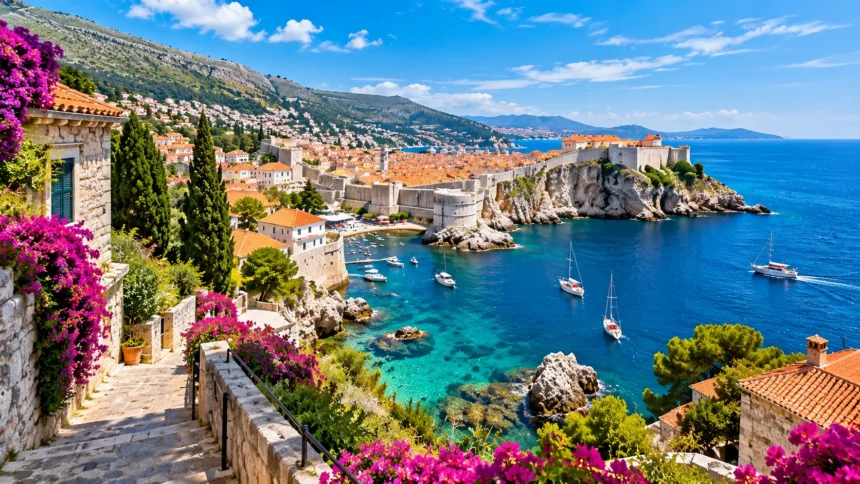
When Is the Best Time to Visit Croatia?
The best time to visit Croatia depends on what you want from your trip. For pleasant weather, manageable crowds, and comfortable sightseeing, late spring and early autumn are excellent choices. May, June, September, and early October often provide a good balance between warm temperatures, open attractions, and fewer visitors than the busiest summer months.
July and August are ideal for travelers focused on beaches, island hopping, sailing, and swimming in the Adriatic Sea. These months bring the hottest temperatures and most reliable sunshine along the Croatian coast. However, popular destinations such as Dubrovnik, Split, Hvar, and national parks can become crowded, while accommodation prices are generally higher.
Winter offers a completely different Croatia experience. Coastal destinations become much quieter, while Zagreb and other inland cities can feel more atmospheric during the colder months. Travelers interested in cultural attractions, local restaurants, Christmas markets, and lower accommodation prices may enjoy visiting outside the traditional beach season.
Croatia Weather Throughout the Year
Croatia has different climate conditions depending on where you travel. Coastal regions along the Adriatic generally experience hot, dry summers and mild, wetter winters. Inland destinations such as Zagreb have greater seasonal differences, including warmer summers, cold winters, and occasional snow during the colder part of the year.
Spring weather gradually becomes warmer from March through May. Coastal areas can feel pleasant earlier in the season, while inland destinations may still have cooler mornings and occasional rain. By late May, many travelers can comfortably enjoy outdoor sightseeing, hiking, coastal walks, and café terraces without dealing with the intense heat of midsummer.
Autumn begins warmly along the coast, particularly in September when sea temperatures can remain suitable for swimming. Conditions gradually become cooler and wetter through October and November. Travelers visiting during shoulder season should pack layers and light rain protection because sunny afternoons can quickly give way to cooler evenings or occasional showers.
Visiting Croatia in Spring
Spring is one of the best seasons for travelers who prefer sightseeing over crowded beaches. March can still feel cool and unpredictable, but April and May generally bring warmer days, greener landscapes, and longer daylight hours. Historic cities become more comfortable to explore on foot before summer heat makes midday sightseeing more tiring.
National parks are especially attractive during spring because waterfalls, forests, and rivers often benefit from seasonal rainfall. Plitvice Lakes and Krka can look particularly lush during this period. Trails may still be wet after rain, so comfortable walking shoes with good grip are useful for travelers planning nature-focused excursions.
May offers one of the best combinations of weather and visitor numbers. Restaurants, hotels, ferry connections, and seasonal attractions are increasingly active, while crowds remain more manageable than in July or August. Sea temperatures may still feel cool for some swimmers, but the coast is already enjoyable for boating, walking, and outdoor dining.
Visiting Croatia in Summer
Summer is peak travel season in Croatia, especially along the Adriatic coast and on popular islands. June usually begins with warm weather and increasingly active beach towns, while July and August bring high temperatures, strong sunshine, and busy tourist areas. These months are perfect for travelers who want a classic Mediterranean summer vacation.
Beach days, sailing trips, island hopping, kayaking, snorkeling, and evening waterfront dining are among the biggest summer attractions. Hvar, Brač, Korčula, and other islands become particularly lively during this period. Coastal cities also host outdoor events and nightlife, creating an energetic atmosphere that continues well after sunset.
The main disadvantages are crowds, heat, and higher prices. Popular landmarks may become busy during the middle of the day, particularly in Dubrovnik and Split. Booking accommodation and transportation early is helpful, while starting sightseeing in the morning and resting during hotter afternoon hours can make summer travel more comfortable.
Visiting Croatia in Autumn
September is one of the strongest months for visiting Croatia because the weather often remains warm while peak summer crowds begin to decrease. The Adriatic Sea can still be comfortable for swimming, making September particularly attractive for travelers who want beaches without the intensity of July and August.
October is better suited to cultural sightseeing, road trips, hiking, and food-focused travel. Temperatures become milder, and popular historic centers can feel more relaxed. Some seasonal businesses and ferry routes may begin reducing their schedules, so travelers visiting smaller islands should check transportation plans carefully when building an autumn itinerary.
By November, Croatia becomes noticeably quieter and wetter in many regions. Beach activities are limited, but urban destinations remain interesting for visitors who enjoy museums, architecture, restaurants, and everyday local life. Lower visitor numbers can provide a more relaxed atmosphere for travelers who are comfortable with cooler and less predictable weather.
Visiting Croatia in Winter
Winter is Croatia’s quietest travel season, particularly along the coast. Dubrovnik, Split, Zadar, and many island communities receive fewer international visitors, allowing travelers to experience historic centers without summer crowds. Some tourism-focused restaurants, hotels, and activities may operate on reduced schedules, especially on smaller islands.
Zagreb becomes particularly appealing during the festive season. Holiday decorations, seasonal markets, cafés, museums, and cultural events provide an urban winter experience that feels very different from Croatia’s summer image. Inland temperatures can become cold, so warm coats, comfortable footwear, and layers are essential for extended sightseeing.
Winter can also suit travelers prioritizing lower costs and cultural immersion over beaches. Accommodation may be more affordable, and popular landmarks can be easier to enjoy without long lines. However, shorter daylight hours and unpredictable weather mean visitors should build flexible schedules with a mixture of indoor and outdoor activities.
Best Time to Visit Croatia for Beaches
For a traditional beach vacation, late June through early September provides the warmest and most dependable conditions. July and August offer the hottest weather and warm sea temperatures, making them ideal for swimming, snorkeling, and spending long days beside the Adriatic. Beach resorts and islands are also fully active during this period.
Travelers who prefer fewer crowds should consider June or September. Both months can provide excellent coastal weather while avoiding some of the busiest summer conditions. September is particularly appealing because the sea retains much of its summer warmth even as daytime temperatures gradually become more comfortable for sightseeing.
May and early October can also provide beautiful sunny days, but swimming conditions depend more heavily on personal preference and changing weather. These months are better for travelers who see beaches as part of a wider sightseeing trip rather than the main purpose of the vacation.
Best Time for Dubrovnik and Split
Dubrovnik and Split are among Croatia’s most popular cities, and timing can greatly influence the experience. Late spring and early autumn are excellent because temperatures remain pleasant while major historic areas are generally easier to explore. Walking ancient streets and city walls can feel much more comfortable without intense midsummer heat.
July and August bring the liveliest atmosphere but also the highest visitor numbers. Cruise arrivals and holiday travelers can make central areas particularly busy during daytime hours. If you visit in summer, explore major landmarks early in the morning or later in the afternoon, leaving the hottest part of the day for meals or indoor attractions.
October and winter months offer another option for travelers focused primarily on history and architecture. The cities become quieter, although some activities may have reduced schedules. This period can be rewarding if you value relaxed walks, photography, museums, and local dining more than beaches or island excursions.
Best Time for Croatian Island Hopping
Island hopping works best from late spring through early autumn when ferry connections are more frequent and seasonal businesses are operating fully. June, July, August, and September provide the widest choice of routes between popular islands and coastal cities. This makes planning multi-stop itineraries considerably easier than during winter.
June and September are especially good for travelers who want warm weather with somewhat less congestion. Islands such as Hvar, Brač, Korčula, and Vis remain active, but the atmosphere may feel more relaxed than during peak summer weeks. Accommodation can also be easier to secure compared with the busiest travel dates.
Outside the main season, ferry schedules can become more limited and some tourism businesses may close temporarily. Island travel is still possible, but itineraries need additional planning. Travelers visiting in late autumn or winter should focus on fewer destinations rather than relying on frequent connections between several smaller islands.
Best Time to Visit Croatia’s National Parks
Spring and early autumn are excellent seasons for visiting Croatia’s famous national parks. Temperatures are generally comfortable for walking, and landscapes can feel greener than during the hottest summer period. Plitvice Lakes, Krka, Paklenica, and other natural areas each offer different scenery and outdoor experiences.
Summer remains popular, but heat and crowds can make some parks feel less peaceful. Arriving early is one of the best strategies for enjoying major viewpoints and walking routes before larger groups arrive. Bring water, sun protection, and comfortable shoes if you plan to spend several hours exploring exposed trails.
Autumn adds another visual dimension as foliage begins changing color, especially in forested inland regions. Cooler temperatures can make longer walks more comfortable. Weather becomes less predictable later in the season, so checking conditions and bringing suitable layers can help you enjoy outdoor attractions without unnecessary discomfort.
Best Time to Visit Croatia on a Budget
Travelers looking to save money should generally avoid the busiest weeks of July and August. Accommodation, tours, and transportation can become more expensive when demand is highest. Visiting during April, May, October, or parts of the winter season can provide better value, particularly in major cities and coastal destinations.
June and September can offer a useful middle ground between price and weather. You may still enjoy warm days and active tourism services while avoiding some peak-season costs. Booking in advance remains worthwhile because popular properties can still fill quickly during these increasingly popular shoulder-season months.
Budget travelers should also consider staying slightly outside the most famous historic centers. Public transportation or short walks can connect you with major attractions while reducing accommodation expenses. Combining affordable lodging with local bakeries, markets, and casual restaurants can help control costs without reducing the overall quality of the Croatia experience.
What to Pack for Croatia by Season
Summer travelers should pack lightweight clothing, comfortable walking shoes, swimwear, sunglasses, sunscreen, and a reusable water bottle. A hat is useful for long sightseeing days, particularly around historic coastal cities with limited shade. Bringing a light layer for evenings or boat trips can also be helpful when breezes make temperatures feel cooler.
Spring and autumn require greater flexibility. Pack breathable clothing alongside a light jacket, sweater, and rain protection so you can adjust as conditions change. Comfortable shoes are especially important because many Croatian historic centers feature stone streets that can become slippery after rain and tiring during long walking days.
Winter travelers should bring warmer layers, particularly when visiting Zagreb or other inland destinations. A waterproof outer layer can be useful along the coast, where cool wind and rain occasionally create damp conditions. Dressing in layers makes it easier to adapt when moving between heated indoor spaces and colder outdoor sightseeing areas.
Tips for Choosing the Right Travel Dates
Begin by deciding whether beaches, sightseeing, outdoor activities, or budget matter most to you. Travelers focused on swimming should prioritize summer or early September, while those interested in historic cities may prefer May, June, September, or October. Matching the season with your priorities prevents disappointment after arrival.
Consider how you feel about crowds and heat as well. Peak summer offers the strongest beach atmosphere but can make popular destinations busy and expensive. Shoulder season generally provides a more balanced experience, particularly for travelers who want to combine coastal destinations with national parks, road trips, and cultural sightseeing.
Finally, leave some flexibility in your schedule regardless of when you travel. Weather can change, ferries may be affected by conditions, and you may discover places worth exploring longer than expected. A slightly slower Croatia itinerary often creates a better experience than trying to fit several distant destinations into every available day.
Conclusion
The best time to visit Croatia depends on your preferred weather, activities, and travel style. May, June, September, and early October are excellent for travelers seeking comfortable temperatures and fewer crowds, while July and August provide the classic hot and lively Adriatic summer experience.
Beach lovers and island hoppers will usually prefer summer, while hikers, photographers, and cultural travelers may appreciate spring or autumn. Winter offers quieter cities, lower visitor numbers, and a more local atmosphere, although beach activities and some seasonal tourism services become limited.
Whatever season you choose, build your itinerary around regional conditions rather than assuming Croatia has the same weather everywhere. With thoughtful planning, comfortable clothing, and realistic expectations, Croatia can deliver beautiful landscapes, historic cities, island adventures, and memorable experiences throughout the year.
FAQs
What is the best month to visit Croatia?
September is one of the best months because temperatures usually remain warm, the Adriatic Sea is comfortable for swimming, and summer crowds begin decreasing. May and June are also excellent choices.
When is Croatia the hottest?
July and August are generally the hottest months, particularly along the Adriatic coast. These months are excellent for beach vacations but can bring strong midday heat and large crowds in popular destinations.
What is the cheapest time to visit Croatia?
Late autumn, winter, and early spring generally offer lower accommodation prices outside major events. April, May, and October can also provide good value while still offering better weather for sightseeing.
Is Croatia worth visiting in October?
Yes. October can be excellent for city sightseeing, road trips, hiking, and food experiences. Temperatures are cooler, crowds are smaller, although swimming and island services become less reliable later in the month.
How many days are enough for a Croatia trip?
Seven to ten days works well for combining several highlights without rushing. Travelers wanting Dubrovnik, Split, islands, and national parks may prefer ten to fourteen days for a more comfortable itinerary.