

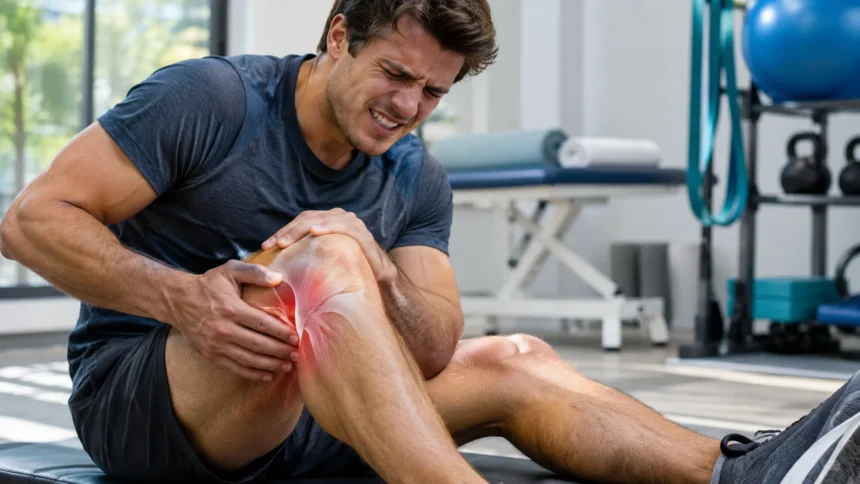
Lateral collateral ligament pain can make walking, bending, and everyday movements uncomfortable. This pain usually develops along the outside of the knee after an injury, sudden twist, or repeated stress. Understanding the possible causes can help you recognize symptoms and choose appropriate treatment.
The lateral collateral ligament, commonly called the LCL, plays an important role in keeping your knee stable. When this ligament becomes stretched or torn, you may experience pain, tenderness, or difficulty moving comfortably. Fortunately, many LCL injuries improve with proper care, rehabilitation, and enough recovery time.
What Is Lateral Collateral Ligament Pain?
Lateral collateral ligament pain refers to discomfort caused by irritation, stretching, or damage to the LCL. This strong band of tissue runs along the outside of your knee, connecting your thigh bone to your fibula. Its main function is to support the knee joint and prevent excessive sideways movement during physical activities.
The LCL works alongside other knee ligaments to provide stability while walking, running, and changing direction. Unlike some other knee ligaments, it is located outside the main joint capsule. This position makes it particularly vulnerable when unusual force pushes the knee sideways or places excessive stress on its outer structures.
An LCL injury can range from a mild sprain to a complete ligament tear. Minor injuries may cause temporary tenderness, while more serious damage can make the knee feel unstable. Recognizing the difference is important because treatment depends on the severity of the injury and whether other knee structures are involved.
Where Is Lateral Collateral Ligament Pain Located?
Lateral collateral ligament pain usually appears on the outer side of the knee joint. You may notice tenderness around the area between the lower thigh and the upper fibula. The discomfort can become more noticeable when touching the affected area, changing direction, or placing pressure on the injured leg during movement.
Some people experience a sharp sensation immediately after an injury, while others notice a persistent ache afterward. Pain may increase during activities that put sideways stress on the knee. Walking on uneven surfaces, turning suddenly, or participating in sports can sometimes make these symptoms worse, particularly when the ligament has not fully recovered.
Pain along the outside of the knee does not always mean the LCL is injured. Other structures, including the lateral meniscus, tendons, and iliotibial band, can produce similar discomfort. A healthcare professional can examine the knee and help identify which structure is responsible for the symptoms.
Common Causes of Lateral Collateral Ligament Pain
One common cause of LCL pain is a direct impact against the inner side of the knee. This force can push the knee outward and stretch the ligament beyond its normal range. Contact sports such as football, rugby, and basketball involve movements and collisions that can increase the risk of this type of injury.
Sudden changes in direction can also contribute to lateral collateral ligament injuries. When the foot stays planted while the body moves awkwardly, the knee may experience excessive sideways stress. Unexpected landings, awkward twisting movements, and certain hyperextension injuries can damage the ligament, especially when several forces affect the joint at once.
Poor movement control, previous knee injuries, and returning to demanding activities before recovery may increase vulnerability to further problems. However, repetitive activity alone does not necessarily cause an LCL tear. Persistent discomfort from running or exercise may involve surrounding tissues instead, making an accurate diagnosis important before selecting treatment.
Signs and Symptoms of an LCL Injury
Pain along the outside of the knee is one of the most recognizable symptoms of an LCL injury. The discomfort may begin immediately after a sudden movement or direct impact. Some individuals also experience tenderness, swelling, or stiffness that makes normal bending and straightening movements difficult during the early stages of recovery.
Another important symptom is knee instability, which may feel like the joint is shifting or giving way. This sensation can become more noticeable when turning, walking on uneven ground, or changing direction. More significant injuries may affect confidence in weight-bearing activities because the knee no longer feels properly supported.
Some injuries are accompanied by a popping sensation at the time of trauma. However, a popping sound alone cannot confirm a ligament tear, and serious injuries do not always produce obvious swelling. Numbness, tingling, or weakness in the foot after a knee injury may indicate nerve involvement and requires prompt medical assessment.
Different Grades of Lateral Collateral Ligament Injuries
A Grade 1 LCL injury is a mild sprain involving stretching or small-scale damage to ligament fibers. The knee generally remains stable, although tenderness and discomfort may occur during movement. Many people with mild injuries can continue basic daily activities, but reducing painful movements is important to avoid unnecessary irritation.
A Grade 2 injury involves a partial tear of the ligament and usually produces more noticeable symptoms. Pain, tenderness, and some joint looseness may affect walking or physical activity. These injuries often require a structured rehabilitation program, and a healthcare professional may recommend temporary bracing depending on the examination findings.
A Grade 3 injury means the ligament has torn completely and may cause considerable knee instability. Complete LCL tears can occur alongside injuries to other important supporting structures, including the posterolateral corner. These cases require specialist evaluation because treatment may involve more extensive rehabilitation or surgery, depending on the damage.
Other Conditions That Can Cause Outer Knee Pain
Iliotibial band syndrome is another common explanation for pain along the outside of the knee. It often develops in people who repeatedly bend and straighten the knee during running or cycling. The discomfort is usually related to activity and may appear gradually, unlike many LCL injuries that follow a specific traumatic event.
A lateral meniscus injury can also produce discomfort in a similar location. The meniscus is a cartilage structure that helps cushion the knee and distribute pressure across the joint. Damage may cause swelling, catching, locking, or pain during twisting movements, although these symptoms can overlap with those of ligament injuries.
Other possible causes include biceps femoris tendon problems, irritation around the fibular head, and certain forms of knee arthritis. Some conditions may create pain that spreads toward the lower leg. Because several structures share the same region, professional assessment is useful when discomfort persists, worsens, or follows a significant injury.
How Is Lateral Collateral Ligament Pain Diagnosed?
Diagnosing an LCL injury usually begins with a discussion about symptoms and how the discomfort developed. A healthcare professional may ask whether the knee experienced a direct impact, sudden twist, or awkward landing. Information about swelling, instability, walking difficulties, and previous injuries helps determine which structures may be affected.
During a physical examination, the clinician checks tenderness, joint movement, and stability. Specific examination techniques can assess whether the LCL is providing normal resistance against sideways forces. The examiner may also evaluate nearby ligaments, tendons, nerves, and other structures because more serious knee injuries frequently involve several tissues.
Imaging is sometimes needed to confirm the diagnosis or identify additional damage. X-rays can help detect fractures or other bone problems, while MRI scans provide detailed information about ligaments and surrounding soft tissues. Not every mild knee injury requires advanced imaging, so the decision depends on symptoms and examination findings.
Immediate Care for Lateral Collateral Ligament Pain
Early care focuses on protecting the injured knee and avoiding activities that increase discomfort. Relative rest means temporarily reducing running, jumping, sudden turns, and other demanding movements rather than avoiding all movement indefinitely. If walking is difficult or the knee feels unstable, medical assessment is important before continuing weight-bearing activities.
Applying a cold pack may temporarily reduce pain and swelling during the early stages of an injury. Wrap the pack in a towel rather than placing it directly against your skin, and use it for short periods. Gentle compression and elevating the leg while resting may also help manage swelling and improve comfort.
Avoid forcing the knee into painful positions or repeatedly testing whether the ligament feels stable. Aggressive stretching, deep bending, and early sports participation may aggravate an injured ligament. When symptoms are more than mild, a clinician can recommend appropriate protection and determine when controlled movement should begin.
Effective Ways to Relieve LCL Pain
Pain management depends on the severity of the injury and the activities that trigger symptoms. Reducing painful movements while maintaining comfortable mobility can help prevent unnecessary stiffness. Supportive footwear and avoiding uneven surfaces may also make everyday walking easier while the knee is sensitive or recovering from an injury.
Some people benefit from over-the-counter pain medications, including appropriate anti-inflammatory treatments. However, these medicines are not suitable for everyone and can cause side effects or interact with other medications. Ask a healthcare professional or pharmacist about suitable options, especially if you have existing medical conditions or take other medicines.
A knee brace may provide additional support when ligament damage affects joint stability. Different injuries require different types of braces, and some individuals do not need one at all. A properly selected brace should complement rehabilitation rather than replace strengthening, gradual activity progression, or medical evaluation when the knee remains unstable.
Rehabilitation Exercises for LCL Pain Recovery
Rehabilitation usually begins with gentle movements designed to restore comfortable knee motion. A physiotherapist may recommend controlled bending and straightening exercises when the injury is stable enough. The aim is to gradually improve flexibility without placing excessive sideways stress on the ligament or creating additional pain during the healing process.
As symptoms improve, strengthening exercises can help rebuild support around the knee joint. Activities targeting the quadriceps, hamstrings, hips, and gluteal muscles may improve overall control during walking and other movements. Exercises such as supported knee extensions or carefully supervised leg raises may be introduced depending on the injury and recovery stage.
Later rehabilitation often includes balance training, movement control, and gradual preparation for normal physical activities. Athletes may need additional exercises that restore safe turning, landing, and direction changes. These movements should only progress when strength, stability, and comfort have improved, particularly after moderate or severe LCL injuries.
How Long Does Lateral Collateral Ligament Pain Take to Heal?
Recovery time varies according to the grade of injury, overall knee condition, and consistency of rehabilitation. A mild Grade 1 sprain may improve within a few weeks when the ligament receives appropriate protection. However, pain reduction does not always mean the tissue has completely healed or that the knee is ready for demanding activities.
Grade 2 injuries often require several weeks to a few months for satisfactory recovery. A Grade 3 tear may take several months or longer, especially when surgery or treatment for additional knee injuries is necessary. Individual timelines vary, and returning too early can increase the risk of further problems.
A safe return to exercise depends on more than the number of weeks since the injury. The knee should demonstrate adequate movement, strength, stability, and control before demanding activities resume. Following a structured rehabilitation program and progressing gradually can support recovery while reducing the likelihood of repeated ligament injuries.
When Should You See a Doctor for LCL Pain?
Medical assessment is recommended when knee pain follows a significant impact, twisting injury, or sudden loss of stability. Increasing swelling, difficulty bearing weight, or persistent symptoms also deserve attention. A clinician can distinguish a mild sprain from more serious ligament damage and determine whether imaging or specialist treatment is necessary.
Seek urgent medical attention if the knee appears deformed, you cannot bear weight after an injury, or the joint is severely unstable. A cold or pale foot, new numbness, or weakness below the knee can indicate complications requiring immediate evaluation. Severe pain after major trauma should not be managed through home remedies alone.
You should also arrange an appointment when mild discomfort does not improve with appropriate activity changes or repeatedly returns during exercise. Ongoing instability can affect the knee’s supporting structures and make everyday movements less predictable. Early guidance can help you choose suitable rehabilitation exercises and avoid activities that interfere with recovery.
Conclusion
Lateral collateral ligament pain commonly affects the outer part of the knee and may develop after direct impact, awkward twisting, or excessive sideways stress. Symptoms range from mild tenderness to significant joint instability, depending on the extent of ligament damage.
Many mild LCL injuries improve with appropriate protection, symptom management, and gradual rehabilitation. More serious injuries may require bracing, specialist treatment, or surgery, particularly when other knee structures are damaged.
Understanding the possible causes and recognizing warning signs can help you make informed decisions about knee care. If pain continues, walking becomes difficult, or the joint feels unstable, seek medical advice rather than attempting to push through the symptoms.
Frequently Asked Questions
Can You Walk With a Lateral Collateral Ligament Injury?
Walking may be possible with a mild LCL sprain, but moderate or severe injuries can make weight-bearing painful or unstable. Avoid forcing movement and seek assessment if walking is difficult.
What Is the Fastest Way to Relieve LCL Pain?
Reducing painful activities, applying cold packs for comfort, and following suitable rehabilitation advice may help. Recovery cannot safely be rushed, and persistent instability requires professional evaluation.
Does LCL Pain Go Away on Its Own?
Mild LCL sprains often improve with time and appropriate care. Partial or complete tears may require structured treatment, especially if the knee remains unstable or additional structures are injured.
Is Heat or Ice Better for LCL Pain?
Cold packs are commonly used for short-term comfort after a recent injury. Gentle warmth may help some people with later stiffness, but avoid applying heat to an acutely swollen knee.
Can an LCL Injury Heal Without Surgery?
Many isolated Grade 1 and Grade 2 injuries recover without surgery. Complete tears or injuries involving other knee structures may require surgical treatment after evaluation by an orthopedic specialist.