

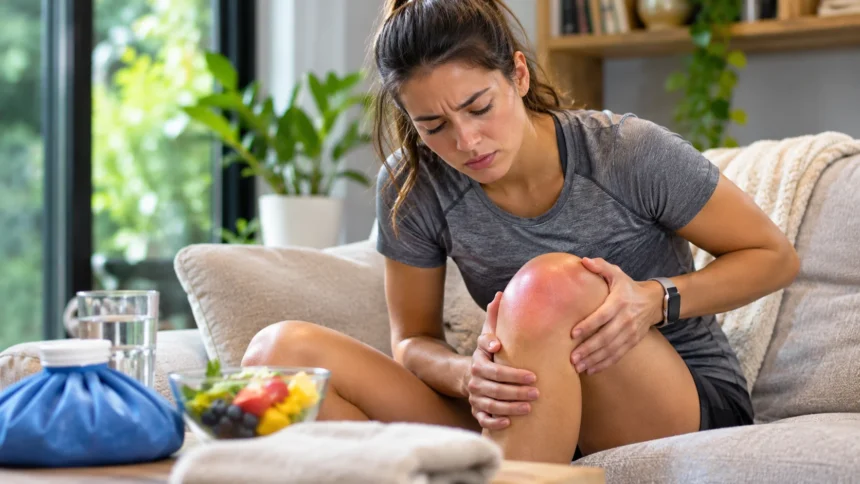
Knee swelling can make everyday activities like walking, bending, and climbing stairs uncomfortable. It often develops when excess fluid builds up inside or around the knee joint because of injury, inflammation, or an underlying medical condition. Although mild swelling sometimes improves with home care, other cases require medical attention. Understanding how to reduce swelling in knee quickly can help you recognize suitable relief methods and avoid making the problem worse.
The best approach depends on what caused the swelling and how severe your symptoms are. Resting the affected knee, applying cold compresses, and elevating your leg may provide temporary relief in mild cases. However, sudden severe swelling, fever, redness, or difficulty bearing weight can indicate a serious problem. This guide explains common causes, safe home remedies, treatment options, and warning signs that should never be ignored.
What Causes Swelling in the Knee?
Knee swelling occurs when fluid accumulates inside the joint or surrounding tissues. Healthcare professionals may call fluid buildup inside the knee joint a knee effusion, sometimes described as water on the knee. This condition can develop after an injury, repeated physical stress, or inflammation. The affected knee may appear larger than usual and feel uncomfortable during movement.
Injuries are among the most common reasons for sudden knee swelling. A fall, awkward twist, or sports-related accident can damage ligaments, cartilage, or other structures around the joint. Such damage may trigger inflammation and fluid accumulation. The severity of swelling depends on the injury and the tissues involved.
Medical conditions can also contribute to persistent or recurring knee swelling. Arthritis, gout, bursitis, and certain infections may cause inflammation around the joint. Sometimes the knee becomes swollen without an obvious injury or recent physical activity. Identifying the underlying cause is important because different conditions require different treatments.
Common Symptoms of a Swollen Knee
The most noticeable symptom of knee swelling is an increase in size around the kneecap or surrounding joint. One knee may appear visibly larger than the other, especially when viewed from the front. The skin can feel tight because of the additional fluid. Some people also experience tenderness when touching the affected area.
Stiffness is another common symptom associated with a swollen knee joint. Excess fluid can make bending or straightening the leg more difficult than usual. Activities such as sitting down, standing up, or using stairs may become uncomfortable. The amount of stiffness can vary depending on the cause and severity of inflammation.
Knee swelling may also occur with pain, warmth, or changes in skin color. These symptoms can provide clues about possible inflammation or injury, but they do not establish a diagnosis. A knee that becomes suddenly very painful, hot, or difficult to move requires prompt medical assessment. Fever or feeling generally unwell makes urgent evaluation particularly important.
How to Reduce Swelling in Knee Quickly at Home
For mild knee swelling without warning signs, initial home care often focuses on reducing irritation and protecting the joint. Rest, cold therapy, gentle compression, and elevation are commonly recommended measures. These approaches may help relieve discomfort and limit further swelling. However, the speed of improvement depends on the underlying problem rather than the treatment alone.
Avoid activities that increase pain or place unnecessary pressure on the affected knee. Running, jumping, heavy lifting, and repeated squatting may worsen symptoms when the joint is already irritated. Short periods of relative rest can help protect the area. Complete inactivity for extended periods is not always beneficial, so follow professional advice about safe movement.
Monitor your symptoms while using basic self-care measures. Mild swelling caused by temporary irritation may begin improving within a few days, although recovery times vary. If the swelling increases, becomes severe, or develops without a clear reason, contact a healthcare professional. Home remedies should not delay treatment for a significant injury or possible infection.
Apply Ice to Help Reduce Knee Inflammation
Cold therapy is a commonly recommended method for managing swelling after minor knee injuries. Applying a cold pack may help reduce discomfort and temporarily limit inflammation around the affected tissues. It can be particularly useful during the early stages of an injury. However, ice does not repair damaged ligaments or treat underlying joint diseases.
A cold pack should be wrapped in a thin towel rather than placed directly against the skin. For minor injuries, healthcare guidance commonly recommends applications lasting about 15 to 20 minutes at a time. Allow the skin to return to its normal temperature between applications. Avoid prolonged exposure because excessive cold can damage sensitive tissues.
People with reduced skin sensation, poor circulation, or certain medical conditions should seek professional advice before using cold therapy. Stop the application if you notice unusual skin changes or increasing discomfort. Cold treatment may ease symptoms, but it cannot identify the reason for swelling. Persistent inflammation should be evaluated rather than repeatedly treated without understanding its cause.
Use Compression and Elevation for Knee Swelling Relief
Compression can help control mild swelling by providing gentle pressure around the affected knee. Elastic bandages and properly fitted compression supports are commonly used for this purpose. However, compression should feel supportive rather than painfully tight. Excessive pressure can interfere with circulation and make symptoms worse.
A compression wrap should not cause numbness, tingling, increasing pain, or changes in skin temperature. If these symptoms develop, the wrap may be too tight and should be loosened or removed. Compression is not a substitute for medical assessment after a serious injury. A support sleeve also cannot reliably stabilize every type of damaged knee structure.
Elevation is another simple measure that may reduce fluid accumulation. While resting, supporting the leg on pillows so the knee is above heart level can encourage fluid drainage. Combining elevation with suitable rest may help relieve temporary swelling. Nevertheless, significant or unexplained fluid buildup requires further evaluation to determine the underlying cause.
Understand Knee Swelling From Injuries and Overuse
Physical injuries are a frequent cause of swelling around the knee joint. Ligament sprains, meniscus tears, and bone injuries can produce pain, stiffness, and fluid accumulation. Swelling may appear quickly after trauma or develop gradually over several hours. The timing alone cannot reliably determine which structure has been injured.
Overuse can also contribute to knee discomfort and inflammation. Repeated movements during sports, work, or other physical activities may irritate tendons or surrounding tissues. These problems sometimes develop without a single noticeable accident. The affected knee may become uncomfortable during activity and feel increasingly stiff afterward.
Serious injuries should not be managed through home remedies alone. Seek prompt assessment if you experience major swelling, a visible change in knee shape, instability, or difficulty bearing weight. A healthcare professional can examine the joint and determine whether further testing is necessary. Appropriate diagnosis helps prevent complications and supports safer recovery.
Can Arthritis, Gout, and Bursitis Cause Knee Swelling?
Arthritis is an important cause of recurring knee swelling, especially when symptoms develop over time. Osteoarthritis involves changes in the joint that may produce pain, stiffness, and occasional inflammation. Other inflammatory forms of arthritis can cause more persistent swelling. The appropriate treatment depends on the specific condition and its severity.
Gout is another condition that can cause sudden joint pain and swelling. It develops when urate crystals trigger an inflammatory response inside a joint. Although gout commonly affects the big toe, it can also involve the knee. A sudden, intensely painful swollen joint should be assessed because infection can cause similar symptoms.
Bursitis occurs when a small fluid-filled sac that cushions tissues near a joint becomes inflamed. Knee bursitis may develop from repeated pressure, injury, or other causes. Swelling can appear around a particular area rather than throughout the entire joint. Some cases involve infection, making accurate medical evaluation important when warmth, redness, or significant pain occurs.
Are Medicines Helpful for Swollen Knee Pain?
Some medicines can help manage pain or inflammation associated with a swollen knee. Nonsteroidal anti-inflammatory drugs, commonly called NSAIDs, are sometimes used for inflammatory discomfort. Other pain relievers may reduce pain without directly addressing swelling. Medication choice depends on the person’s age, health conditions, and the underlying cause.
Not every pain medicine is suitable for everyone. Certain anti-inflammatory medicines can cause side effects or interact with other medications. People with kidney problems, stomach conditions, or other health concerns may need additional precautions. Children and teenagers should seek advice from a parent or guardian and an appropriate healthcare professional before using medicines.
Pain relief should never be mistaken for complete recovery from an injury. Symptoms may temporarily improve even when the underlying problem remains untreated. Avoid using medication simply to continue activities that worsen knee discomfort. If pain or swelling persists, a healthcare professional can recommend treatment suited to the actual diagnosis.
Should You Exercise With a Swollen Knee?
Movement can play a useful role in recovery, but the appropriate activity depends on the cause of swelling. A mildly irritated knee may benefit from gentle movement once pain begins settling. In contrast, exercising through a serious injury can worsen tissue damage. Understanding this difference is important before returning to regular physical activity.
Avoid forcing the knee into movements that produce sharp pain or significant discomfort. If a healthcare professional recommends rehabilitation, exercises may focus on restoring comfortable movement and improving surrounding muscle strength. Physiotherapists can help select activities based on individual needs. Gradually rebuilding function is generally safer than immediately returning to demanding exercise.
Persistent swelling, instability, or difficulty walking should be assessed before beginning a new exercise routine. Activities that feel manageable for one condition may be unsuitable for another. Rehabilitation should follow the body’s response and any professional instructions. The goal is to restore comfortable function without repeatedly irritating the affected tissues.
When Should You See a Doctor for Knee Swelling?
Some cases of knee swelling require urgent medical attention rather than home treatment. Seek urgent care if the knee becomes severely painful, rapidly swollen, unusually hot, or difficult to move. Fever, chills, or a red and swollen joint can indicate a possible infection. Joint infections need prompt treatment because delays can cause serious complications.
Medical assessment is also important after a significant fall, twisting injury, or accident. Inability to bear weight, visible deformity, or the knee repeatedly giving way may indicate structural damage. New numbness or circulation changes after an injury are additional warning signs. Do not attempt to force a painful joint back into position.
Even without severe symptoms, recurring or unexplained swelling deserves medical evaluation. Contact a healthcare professional if mild swelling fails to improve with appropriate self-care or continues returning. Keeping track of when symptoms began and what makes them worse may help during the appointment. Early assessment can identify treatable problems before they interfere further with daily activities.
How Doctors Diagnose and Treat a Swollen Knee
A healthcare professional usually begins by asking about symptoms, recent injuries, physical activities, and medical history. They may examine the knee for swelling, tenderness, warmth, and movement limitations. Comparing both knees can provide useful information. The findings help determine whether further investigation is necessary.
Depending on the suspected cause, diagnostic tests may include X-rays, ultrasound, or magnetic resonance imaging. Blood tests can sometimes help investigate inflammatory conditions or possible infections. In selected cases, a clinician may collect a sample of joint fluid for analysis. These investigations help distinguish injuries from medical conditions that produce similar symptoms.
Treatment depends on the diagnosis rather than the appearance of swelling alone. Options may include appropriate medication, physical therapy, supportive devices, or treatment for an underlying inflammatory condition. Some injuries require specialist procedures, while infections may need urgent hospital care. Identifying the cause helps clinicians select treatment that addresses more than temporary discomfort.
How to Prevent Knee Swelling in the Future
Preventing knee swelling involves reducing avoidable strain and maintaining healthy movement habits. Sudden increases in physical activity can place excessive demands on muscles and joints. Gradually adapting to new activities gives the body time to respond. Appropriate preparation may reduce the risk of certain overuse problems.
Comfortable footwear and suitable exercise technique can also support knee function during daily activities. People who participate in sports may benefit from strength, balance, and movement training appropriate to their abilities. Taking breaks from repetitive tasks can reduce continuous pressure on sensitive tissues. These habits support joint health without guaranteeing that injuries will never occur.
People with existing knee conditions should follow personalized management advice from their healthcare professionals. Ongoing rehabilitation, appropriate activity adjustments, and monitoring recurring symptoms may help maintain function. Do not ignore swelling that repeatedly returns after ordinary activities. Addressing the underlying cause is more effective than relying only on temporary relief measures.
Conclusion
Understanding how to reduce swelling in knee quickly begins with identifying the possible cause and recognizing the severity of symptoms. Mild swelling may improve with relative rest, cold therapy, gentle compression, and elevation. However, these measures provide symptom relief rather than guaranteed immediate recovery. The appropriate treatment depends on whether swelling comes from an injury, overuse, or an underlying condition.
Knee swelling can occur alongside pain, stiffness, warmth, and reduced movement. While some cases settle with basic care, others require medical testing or professional treatment. Sudden severe pain, fever, significant redness, or inability to bear weight should never be ignored. Prompt assessment is especially important when an infection or serious injury is possible.
Protecting knee health also involves avoiding unnecessary strain and returning to normal activities carefully. Following suitable rehabilitation guidance and addressing recurring symptoms can support longer-term recovery. If swelling continues or becomes worse, seek advice from a qualified healthcare professional. Early attention to the underlying problem can help restore comfort and protect joint function.
Frequently Asked Questions
What Is the Fastest Way to Reduce Knee Swelling?
For mild swelling, relative rest, a wrapped cold pack, gentle compression, and elevation may help. However, significant swelling or symptoms suggesting infection or serious injury require prompt medical evaluation.
How Long Does a Swollen Knee Take to Heal?
Recovery time depends on the cause and severity of swelling. Mild irritation may improve within days, while ligament injuries, arthritis, or other medical conditions can require longer treatment and rehabilitation.
Is Heat or Ice Better for a Swollen Knee?
Cold therapy is generally preferred for recent injuries with swelling. Heat may help some forms of stiffness, but applying warmth to a newly injured or actively swollen knee can sometimes worsen discomfort.
Can Knee Swelling Go Away Without Treatment?
Mild swelling from temporary irritation may improve with appropriate self-care. However, persistent, recurring, unexplained, or severe swelling should be assessed because some underlying conditions require specific medical treatment.
When Is Knee Swelling an Emergency?
Seek urgent medical help if swelling occurs with severe pain, fever, a hot or red joint, major injury, deformity, or inability to bear weight. These symptoms may indicate serious problems.