

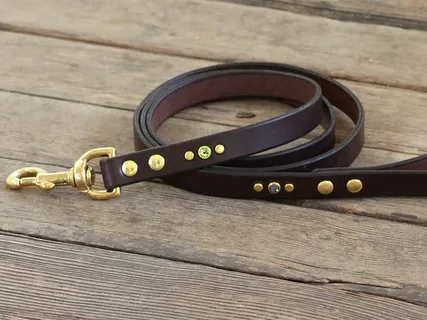
The right walking setup gives you calm, reliable control without fussing with extra hardware at the door. Integrated flat leather leads with a built-in collar shine during quick training reps and streamlined outings, while separate collars and leashes remain ideal when your dog needs full-time ID tags and flexible daily wear.
How Do Integrated Leads Compare With Separate Collars and Leashes?
An integrated lead and collar is a single walking unit where the leash attaches directly to or forms part of a slip or loop collar rather than clipping onto a separate buckle collar. This design reduces loose hardware and lets you put the gear on in one smooth motion.
Handlers who want quick on-and-off handling during structured sessions often look at flat leather dog leads with collar to combine lead control and neck fit in one piece. That single-piece convenience works well for active outings, though it serves a different purpose than leaving a collar on around the house.
Separate collars and leashes split the job into two parts: a collar worn on the neck and a clip leash attached when you head outside. Many owners like this separation because their dog can wear an everyday collar with identification while the leash stays by the door.
Flat Leather vs. Separate Collars and Leashes: Side-by-Side Trade-Offs
Choosing between an integrated flat leather setup and a separate collar-and-leash pairing depends on how often you clip and unclip, how your dog wears tags, and how your dog responds on leash. Flat leather offers a smooth, flat profile that distributes pull across a wider surface than thin cord.
With regular use, oak vegetable-tanned leather and hand-stitched construction soften in the hand while holding strong against daily tugs. Solid brass rings and hardware also resist rust and add dependable strength when paired with proper handling.
| Feature | Integrated Flat Leather Lead & Collar | Separate Collar + Clip Leash |
| Putting On & Off | Fast one-piece slip or loop fit for active sessions | Requires clipping snap hardware onto a collar ring |
| ID Tag Carrying | Less suited for continuous off-leash ID wear | Easy to keep ID and rabies tags on a daily collar |
| Hardware Bulk | Fewer separate clips and join points | Adds a leash snap and collar ring connection |
| Everyday Flexibility | Best for walks, classes, and structured handling | Easy to swap leashes or leave a collar on indoors |
What Matters Most for Safe, Controlled Everyday Walks?
Safe everyday control starts with proper collar sizing and gentle, consistent handling rather than forcing compliance through discomfort. Even strong gear can cause rubbing or loss of control if the size is off or the dog panics.
According to American Kennel Club collar fitting guidelines, you should be able to slide two fingers under a properly fitted collar so it isn’t too tight or loose enough to slip over the head. Pairing that fit with American Kennel Club leash selection guidance also helps you pick a sensible length and check clips, stitching, and straps for wear before each walk.
“Choke and prong collars have been associated with more pronounced behavioral indicators of stress and lower owner satisfaction with the dog’s lead-walking behavior.” American Veterinary Medical Association leash-walking research.
Choosing non-aversive gear and keeping a steady, calm pace helps your dog focus on you instead of reacting to sudden tension. Good handling is a partnership built through clear cues and patient practice.
When Should You Choose One Setup Over the Other?
Pick the setup that matches how you actually spend time with your dog each week. If you take quick neighborhood walks, practice heel work, or move between training spots, an integrated flat leather lead and collar keeps your hands free of extra clips.
If your dog needs identification tags at all times, shares walks with family members who grab whatever leash is handy, or pulls hard when excited, a separate collar or harness paired with a sturdy leash may fit better. You can also keep a backup leash in your car or bag so you’re never caught off guard.
Before your next walk, measure your dog’s neck, test the two-finger fit rule, and check all metal rings and stitching for wear. Start with calm indoor or yard practice so your dog gets used to the feel of the strap before heading into busy streets.
Conclusion
Both integrated flat leather leads and separate collars with leashes can support steady everyday control when sized right and used thoughtfully. Focus on comfortable fit, dependable hardware, and calm handling habits so every walk builds trust and ease for both of you.