
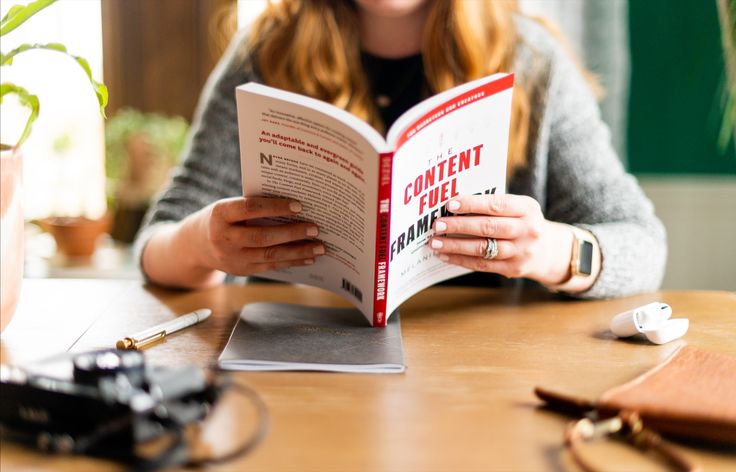
Reading is more than just a pastime; it’s a gateway to continuous learning and personal growth. Whether you’re diving into fiction or exploring non-fiction, reading opens up new worlds of knowledge and understanding. It sharpens your mind, fuels creativity, and expands your horizons in ways that are both profound and practical. With so much content available at our fingertips, the opportunity to enhance our skills and broaden our perspectives has never been greater.
In today’s fast-paced world, carving out time for regular reading can be a game-changer. It’s not only about entertaining yourself but also about investing in your future. So why should you prioritize this habit? Let’s explore how making reading a part of your daily routine can lead to remarkable improvements in both knowledge and skills.
The Benefits of Regular Reading
Regular reading opens doors to a wealth of knowledge. It exposes you to ideas, cultures, and perspectives that might otherwise remain unknown. Each book offers a new lens through which to view the world.
Engaging with diverse materials stimulates your imagination. Whether fiction or non-fiction, stories spark creativity and inspire innovation in everyday life.
Additionally, reading can enhance cognitive function. It improves focus and concentration while building vocabulary and comprehension skills. The more you read, the sharper your mind becomes.
Moreover, regular readers often experience reduced stress levels. Losing yourself in a good book provides an escape from daily pressures and promotes relaxation.
There’s something deeply fulfilling about finishing a book—an achievement that reinforces discipline and commitment over time. This sense of accomplishment fuels further exploration into new topics or genres.
Improving Knowledge Through Different Types of Reading
Reading offers a rich tapestry of knowledge, woven through various genres and formats. Each type serves a unique purpose and enriches our understanding in different ways.
Fiction opens windows to diverse cultures, ideas, and human emotions. It encourages empathy by allowing readers to step into the shoes of characters facing complex situations.
Non-fiction is an invaluable resource for acquiring factual information. Biographies bring historical figures to life, while self-help books provide insights into personal development or specific skill sets.
Scholarly articles dive deep into research findings and advanced theories, pushing the boundaries of your expertise. They challenge your critical thinking abilities while expanding your academic horizons.
Even graphic novels can pack a powerful punch! Their visual storytelling engages readers differently but still conveys profound messages that resonate deeply with real-world issues. Embracing variety ensures that each reading experience contributes something meaningful to our lives.
Developing Skills Through Reading
Reading isn’t just a way to pass the time; it’s a powerful tool for skill development. Each page turned introduces new concepts and ideas, shaping our understanding of various subjects.
When you dive into instructional books or how-to guides, you’re often exposed to practical skills that can be applied in real life. Whether it’s learning coding through tech manuals or mastering cooking techniques from culinary texts, reading fosters hands-on abilities.
Moreover, literature enhances critical thinking. Engaging with complex characters and plots encourages analysis and interpretation. This practice sharpens problem-solving skills that extend beyond the pages into everyday situations.
Additionally, reading improves communication skills. The more you read, the more vocabulary you acquire. This expanded lexicon allows for clearer expression of thoughts and ideas in both writing and conversation.
Every book is an opportunity to refine your abilities while broadening your horizons. Embrace this journey—each story holds potential waiting to be unlocked.
Tips for Incorporating Regular Reading into Your Routine
Finding time to read can be challenging, but small changes can make a big difference. Start by setting aside just ten minutes each day. This small commitment can grow into a daily habit.
Consider carrying a book or e-reader wherever you go. You never know when you might find a few spare moments to dive into a story or learn something new.
Try pairing reading with another routine activity. For instance, read during your commute or while waiting for appointments. These pockets of time add up quickly.
Join a book club or engage in online discussions about books that interest you. Connecting with others who share your passion for reading keeps motivation high and introduces new titles.
Keep your reading material varied and exciting. Switch between genres to maintain enthusiasm and discover fresh perspectives on familiar topics.
How to Choose the Right Books to Read
Choosing the right books can be a transformative experience. Start by identifying your interests. What topics ignite your curiosity? Fiction, non-fiction, self-help, or history—there’s something for everyone.
Next, consider your goals. Are you looking to learn a new skill, gain insight into a particular subject, or simply escape into another world? Your objectives will guide your selection process.
Don’t shy away from recommendations. Ask friends or explore online communities. Sometimes the best discoveries come from others’ experiences.
Reading reviews can also help narrow down choices. Websites and social media platforms offer insights that might resonate with you.
Trust your instincts. If a book intrigues you at first glance, give it a chance! The right book will engage and inspire you in ways you never expected.
Conclusion: The Power of Reading for Personal Growth and Development
Reading is more than just a pastime; it’s a gateway to endless possibilities. The act of immersing oneself in different texts enriches the mind and broadens horizons. Each book offers unique insights, new perspectives, and valuable information that can be applied in everyday life.
As you embrace regular reading, you’ll notice improvement not only in your knowledge but also in various skills such as critical thinking, empathy, and communication. The stories we read shape our understanding of the world around us and foster connections with others.
By integrating reading into your daily routine—no matter how small—that commitment will pay off over time. Choose books that resonate with you personally or challenge your current beliefs to keep things engaging.
The journey of personal growth through reading is ongoing and transformative. It’s an investment that pays dividends long after the last page has been turned. So pick up a book today; who knows what new adventure awaits?