

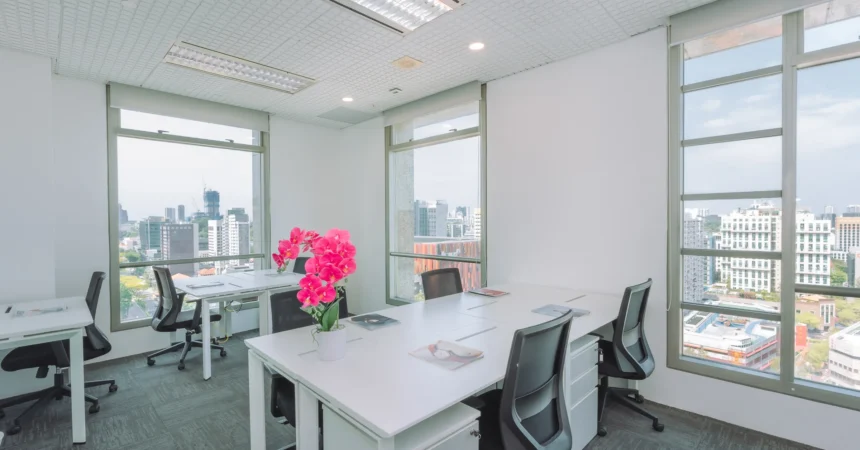
The way businesses use office space has changed considerably in recent years. Companies are no longer limited to choosing between a large traditional office and working entirely from home. Today, organizations can select workspace arrangements that reflect their team size, business model, working style, and growth plans.
For businesses operating in Singapore, a private office rental Singapore solution can offer an effective middle ground. It provides the independence of a dedicated workplace while allowing companies to take advantage of a more flexible approach to office management. Whether a company is establishing its first physical presence, expanding an existing team, or looking for a more efficient workplace, choosing the right private office can make a meaningful difference.
Understanding the Modern Office Requirement
The purpose of an office is no longer limited to providing employees with desks. Modern workplaces support collaboration, communication, meetings, planning, creativity, and client engagement.
This means companies need to think carefully about how their employees actually use workspace.
A business with a small team may not need an entire commercial floor. Likewise, a company with a hybrid workforce may not require a permanent workstation for every employee.
Private offices can provide a more targeted solution. Businesses can secure a dedicated environment that is appropriate for their current operations without automatically taking on unnecessary space.
A Dedicated Base for Business Operations
One of the most practical benefits of a private office is having a consistent place where the business operates.
Employees know where to work, clients know where to meet the company, and business activities can be organized around a permanent professional environment.
This consistency can be valuable for businesses that have previously operated from homes, cafés, temporary locations, or fully shared workspaces.
A dedicated office can create a stronger sense of structure while providing employees with a clear place for professional activities.
Helping Teams Work More Effectively
Different employees have different working styles. Some tasks require collaboration, while others require concentration.
A private office gives teams an environment where they can establish working arrangements that suit their responsibilities.
For example, employees may begin the day with a team discussion before separating into focused work. Later, they might gather for a project review or client meeting.
Having a dedicated office makes these transitions easier because the team does not have to continually search for suitable workspace.
Supporting Confidentiality
Privacy can be a significant consideration when selecting an office.
Businesses may handle contracts, employee information, financial records, customer data, product plans, and other sensitive material. These activities may not be appropriate for completely open working environments.
A private office creates a dedicated space where sensitive conversations can take place with greater discretion.
This is particularly relevant for businesses whose employees regularly conduct consultations, interviews, financial discussions, or strategic meetings.
A Professional Address for Business
A business location can influence how customers and partners interact with an organization.
Having a professional office provides a suitable environment for receiving visitors. Meetings can be conducted in dedicated spaces rather than public locations, creating a more structured experience.
For startups and emerging companies, this can be useful when establishing credibility with prospective customers, investors, suppliers, and business partners.
A professional workplace does not guarantee business success, but it can contribute positively to the overall experience associated with a company.
A Practical Solution for Small Businesses
Small businesses often have to make careful decisions about how they allocate their resources.
Spending heavily on office construction, furniture, technology, and long-term premises may not always be practical when the team is still developing.
A private office can provide access to a professional environment without requiring the business to independently manage every aspect of setting up an office.
This allows small business owners to dedicate more time to revenue-generating activities, customer relationships, hiring, and strategic planning.
Flexibility During Business Expansion
Growth is one of the most common reasons companies reconsider their workspace.
When a business adds employees, introduces new departments, or takes on larger projects, its office requirements can change.
A flexible private office environment can make this transition easier. Companies can assess their needs periodically and explore additional space when necessary.
This can be more practical than entering a long-term arrangement for a large office before the business is ready for it.
An Advantage for Hybrid Teams
Hybrid working has created a new challenge for businesses: how to provide a professional physical workplace without maintaining excessive unused space.
Private offices can help address this issue.
A hybrid team may use its office on selected days for collaboration, training, presentations, and important meetings. Employees can work remotely when tasks do not require physical attendance.
This allows the office to serve a specific purpose rather than simply being a mandatory location for employees every day.
Choosing a Strategic Location
The location of an office affects employees, clients, and business operations.
A workplace that is easy to access can make commuting more convenient and improve the experience for visitors. Singapore’s extensive public transportation network makes accessibility an important consideration when comparing different office locations.
Businesses should also look at what is available nearby. Restaurants, cafés, hotels, banks, retail outlets, and transport connections can all make a workplace more convenient.
A well-connected office can also help businesses attract employees who value accessibility.
Technology for Today’s Business Environment
Technology is central to modern office operations. Employees depend on cloud platforms, video conferencing, digital communication, online storage, and project management applications.
A private office should therefore have reliable infrastructure that can support these activities.
High-speed internet is essential, but businesses should also consider meeting room technology, printing facilities, secure access systems, adequate electrical capacity, and spaces suitable for virtual meetings.
A technology-ready workplace allows employees to focus on their work rather than dealing with infrastructure limitations.
More Than Just an Enclosed Room
A good private office environment should provide access to more than the team’s primary workspace.
Shared facilities can make the office considerably more versatile. Meeting rooms can be used for larger discussions, while breakout areas can provide space for informal conversations.
Common areas can also allow employees to take breaks or work temporarily outside their private office.
This creates a workplace with multiple functions while preserving privacy for the company’s core working area.
Considering the Employee Experience
Office decisions should not be based solely on business costs.
Employees interact with their workplace every day, making comfort and usability important considerations.
Appropriate furniture, good lighting, ventilation, temperature control, quiet areas, and convenient facilities can all contribute to a better working experience.
A well-designed office can also support employee morale by giving people a professional and comfortable environment in which to perform their responsibilities.
Understanding the Total Cost
When comparing private office options, businesses should look beyond the basic rental figure.
The total cost can include multiple elements such as utilities, internet services, furniture, maintenance, cleaning, meeting room usage, security, and administrative services.
A workspace that appears inexpensive initially may become more costly if many essential services are charged separately.
Companies should therefore compare the complete package and understand exactly what is included before making a decision.
Reviewing Rental Terms Carefully
Flexibility is valuable, but businesses should understand the specific terms attached to their office arrangement.
Important areas to review include rental duration, deposits, renewal conditions, access policies, additional fees, notice requirements, and options for changing the size of the workspace.
Clear terms can help businesses plan their expenses and avoid surprises later.
Companies should also consider how easily they can adjust their office arrangement if their workforce changes.
Preparing for Future Requirements
The best office decision considers both current and future needs.
Businesses should ask whether the workspace can support expected recruitment, new projects, changing work patterns, and potential expansion.
At the same time, companies should avoid choosing significantly more space than they realistically need.
Finding this balance can help organizations maintain operational efficiency while avoiding unnecessary workspace expenses.
Final Thoughts
Private offices have become an increasingly practical option for businesses that want a professional workplace without being tied to the traditional office model.
They can provide privacy for sensitive work, a dedicated environment for employees, a professional setting for clients, and flexibility for organizations with changing requirements.
For startups, established companies, consultants, project teams, and hybrid organizations, a well-selected private office can support productivity while creating a stronger foundation for business operations.
The most successful workspace decision is one that considers the complete picture: location, privacy, facilities, technology, employee needs, cost, and future growth.
In Singapore’s dynamic business environment, companies that approach office selection strategically can create workplaces that are not only practical today but also adaptable enough to support the opportunities and challenges that come tomorrow.