

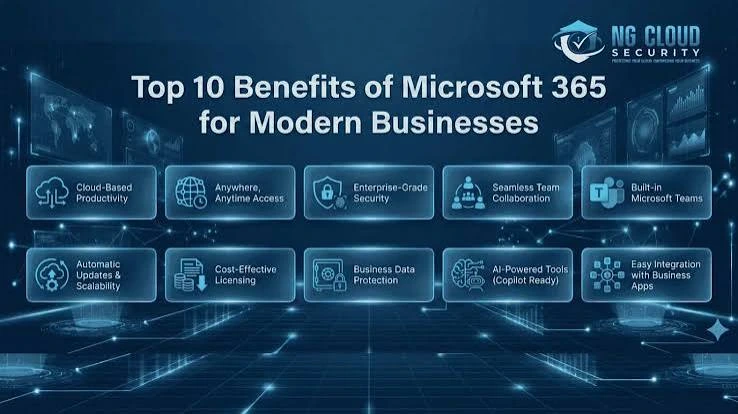
Microsoft 365 has become the backbone of daily operations for millions of businesses across the United States. From email and document collaboration to video conferencing and cloud storage, the platform offers an enormous range of tools that, when used correctly, can sharpen productivity and reduce overhead. The problem is that most organizations only scratch the surface of what M365 can do, leaving significant value — and security — on the table.
Working with an experienced IT Firm gives businesses a clearer path to configuring Microsoft 365 in ways that align with how the organization actually operates. That means moving beyond default settings and building an environment where governance, access control, and compliance are baked in from the start rather than bolted on after something goes wrong.
One of the most important foundational steps is enabling multi-factor authentication across every account in the tenant. This single control dramatically reduces the risk of credential-based attacks, which remain one of the most common entry points for unauthorized access. Paired with Conditional Access policies, MFA can be configured to respond intelligently to risk signals — blocking logins from unfamiliar locations or unmanaged devices without disrupting employees who are working normally. Many businesses skip these configurations simply because the defaults appear functional, but functional and secure are not the same thing.
License management is another area where organizations consistently leave money behind. Microsoft 365 subscriptions come in multiple tiers, and it is common to find users assigned to plans with features they will never use, while others lack access to tools that would genuinely help them. A regular license audit, ideally conducted quarterly, helps align spend with actual usage and ensures that advanced features like Microsoft Defender or Intune are available to the people who need them.
Data governance deserves serious attention as well. Retention policies, sensitivity labels, and data loss prevention rules are all available within M365 but require deliberate configuration. Businesses operating in regulated industries — healthcare, financial services, legal — need these controls to be tightly aligned with their compliance obligations. This is where Cybersecurity Compliance requirements such as HIPAA and PCI standards directly influence how an M365 environment should be structured. Ignoring these configurations does not make the obligations disappear; it just makes violations more likely.
SharePoint and Teams governance also matters more than most people realize. Without clear policies around channel creation, file storage, and external sharing, organizations end up with sprawling, unmanaged environments that are difficult to audit and nearly impossible to secure consistently. Setting naming conventions, restricting who can create Teams, and defining external sharing boundaries are practical steps that make the environment more maintainable over time.
Backup is another consideration that surprises many businesses when they first hear it. Microsoft 365 is a cloud service, but it is not a backup solution. Microsoft protects the infrastructure, not your data in the event of accidental deletion, ransomware, or a malicious insider. Third-party backup tools designed specifically for M365 provide the kind of recovery capability that a business actually needs when something goes wrong.
Finally, ongoing monitoring and reporting should be part of any mature M365 deployment. The platform generates a substantial amount of telemetry that can surface unusual activity, compliance gaps, or licensing inefficiencies. Without someone reviewing that data regularly, the insights go unused. Businesses that have access to comprehensive IT Services are far better positioned to keep Microsoft 365 running securely and efficiently, because they have the expertise and tooling to act on what the platform is telling them.
If your organization is ready to get more out of Microsoft 365 without the guesswork, reach out to Roxie I.T. to learn more about how they can help.