

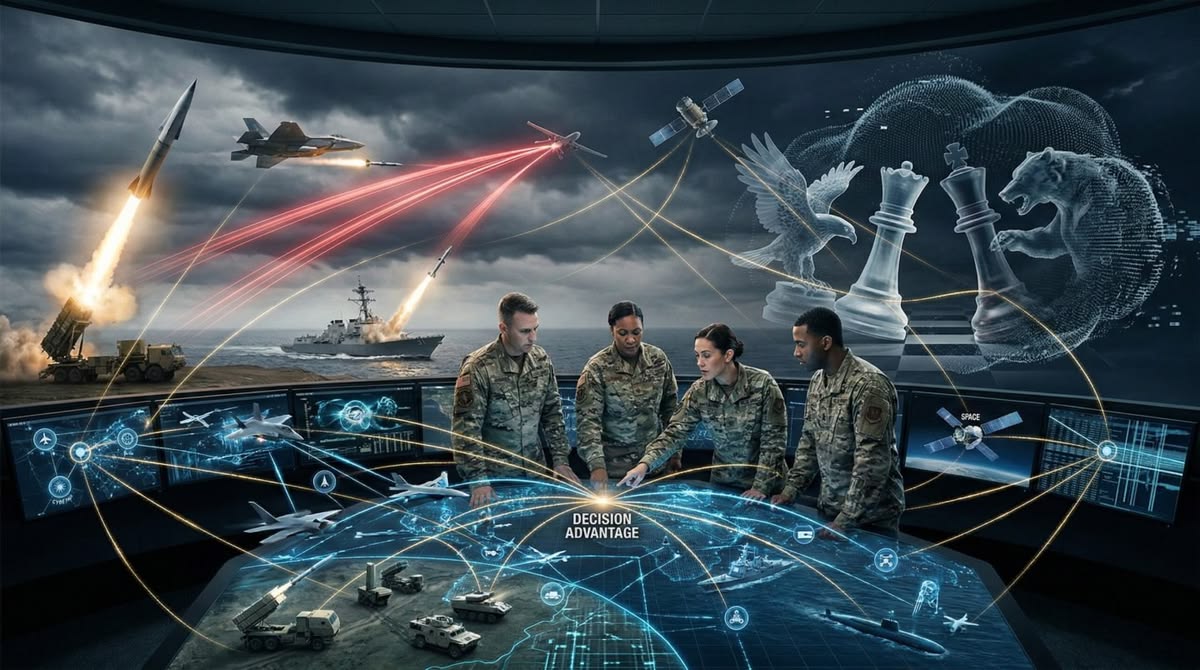
Warfare has shaped human civilization for centuries. From ancient sword fights and cavalry charges to modern drone strikes and cyberattacks, the methods of conflict have continuously evolved alongside technology and society. Today, nations no longer fight only on physical battlefields; they also compete in digital spaces where information, networks, and data have become strategic weapons. This transformation has redefined military power, national security, and global politics.
Ancient Warfare: Strength and Strategy
In ancient times, warfare depended heavily on physical strength, numbers, and battlefield tactics. Early civilizations such as the Romans, Greeks, Persians, and Egyptians built powerful armies equipped with swords, spears, shields, and bows.
Military success relied on:
- Strong leadership
- Well-trained soldiers
- Tactical formations
- Geographic advantage
The Roman Empire, for example, became dominant because of disciplined legions and advanced military organization. Battles were fought face-to-face, and victory often depended on courage and direct combat skills.
The Middle Ages and the Rise of Gunpowder
During the medieval era, castles, knights, and armored warfare became common. Feudal societies depended on heavily armed cavalry and defensive fortifications. However, the invention of gunpowder changed warfare forever.
Cannons and firearms reduced the effectiveness of castles and traditional armor. Armies began shifting toward gun-based combat, leading to:
- Larger standing armies
- More organized military structures
- Increased importance of weapon manufacturing
This period marked the beginning of technological influence in warfare.
Industrial Warfare: Machines Change the Battlefield
The Industrial Revolution introduced mass production, railways, telegraphs, and advanced weapons. Wars became larger, deadlier, and more organized.
World War I
World War I demonstrated the destructive power of industrial warfare through:
- Machine guns
- Tanks
- Poison gas
- Trench warfare
Millions of soldiers died in battles where technology outpaced traditional military tactics.
World War II
World War II further accelerated military innovation. Radar systems, submarines, aircraft carriers, and atomic bombs transformed global conflict. The use of nuclear weapons on Hiroshima and Nagasaki revealed the devastating potential of modern warfare.
This era also introduced intelligence gathering and electronic communication as essential parts of military operations.
The Cold War: Fear Without Direct Battle
After World War II, the world entered the Cold War period, mainly between the United States and the Soviet Union. Unlike previous wars, this conflict was driven by political influence, nuclear deterrence, and ideological competition rather than direct military confrontation.
Key features included:
- Nuclear arms race
- Space competition
- Espionage and intelligence operations
- Proxy wars in developing nations
The fear of mutually assured destruction prevented large-scale direct warfare between superpowers.
The Digital Revolution and Modern Warfare
The rise of computers and the internet transformed military operations in the late 20th and early 21st centuries. Information became a critical weapon.
Modern militaries now use:
- Satellite surveillance
- Artificial intelligence
- Precision-guided missiles
- Autonomous drones
- Real-time communication systems
Wars today are often faster, data-driven, and technologically advanced. Military operations rely heavily on digital infrastructure and cyber capabilities.
Cyber Warfare: The New Battlefield
Cyber warfare refers to the use of digital attacks against governments, organizations, or critical infrastructure. Unlike traditional warfare, cyberattacks can occur without soldiers crossing borders.
Cyber warfare targets may include:
- Power grids
- Financial systems
- Military databases
- Communication networks
- Transportation systems
Hackers can disrupt entire nations by attacking digital systems. Governments worldwide now invest heavily in cybersecurity and cyber defense units.
Characteristics of Cyber Warfare
Cyber warfare differs from traditional warfare in several ways:
| Traditional Warfare | Cyber Warfare |
|---|---|
| Physical destruction | Digital disruption |
| Soldiers and weapons | Hackers and malware |
| Geographic boundaries | Borderless attacks |
| Visible conflict | Often invisible |
| High physical casualties | Economic and informational damage |
Cyberattacks can be difficult to trace, making accountability and retaliation more complicated.
The Role of Artificial Intelligence in Warfare
Artificial intelligence (AI) is becoming increasingly important in military strategy. AI systems can analyze massive amounts of data, identify threats, and automate decision-making processes.
Examples include:
- Autonomous drones
- Facial recognition systems
- Predictive threat analysis
- Robotic defense systems
While AI improves efficiency, it also raises ethical concerns about autonomous weapons and human control in combat situations.
Information Warfare and Propaganda
Modern conflicts are not fought only with weapons but also with information. Social media platforms and digital communication have created new methods of influence.
Governments and organizations use information warfare to:
- Spread propaganda
- Manipulate public opinion
- Influence elections
- Create political instability
Fake news and disinformation campaigns can weaken societies without direct military action.
Ethical and Security Challenges
The evolution of warfare presents several challenges for humanity:
Civilian Vulnerability
Cyberattacks can affect hospitals, transportation systems, and public utilities, putting civilians at risk.
Lack of International Regulation
Cyber warfare laws remain unclear, making it difficult to establish global accountability.
Privacy Concerns
Advanced surveillance technologies can threaten personal privacy and civil liberties.
Escalation Risks
Digital conflicts may quickly escalate into physical military confrontations between nations.
The Future of Warfare
The future battlefield will likely combine physical combat with digital conflict. Emerging technologies such as quantum computing, AI-driven weapons, and space-based defense systems may further redefine warfare.
Future wars may involve:
- Autonomous military robots
- Cyber sabotage
- Space warfare
- Advanced AI combat systems
- Biological and technological hybrid threats
Nations that control technology and information may hold the greatest strategic advantage.
Conclusion
The evolution of warfare reflects humanity’s technological progress and changing political landscape. From ancient battlefields filled with swords and shields to invisible cyberfields dominated by algorithms and data, warfare has transformed dramatically over time.
Today, military power is no longer measured only by the size of armies or the strength of weapons. Cyber capabilities, digital infrastructure, artificial intelligence, and information control have become equally important. As warfare continues to evolve, nations must balance technological advancement with ethical responsibility and global security.
FAQs
What is cyber warfare?
Cyber warfare involves digital attacks on computer systems, networks, or infrastructure to disrupt, damage, or gain strategic advantages over another nation or organization.
How is modern warfare different from ancient warfare?
Ancient warfare relied mainly on physical combat and direct battles, while modern warfare uses advanced technology, cyber systems, drones, and information networks.
Why is cybersecurity important in warfare?
Modern societies depend heavily on digital systems. A cyberattack can disrupt banking, communication, transportation, and national security operations.
What role does artificial intelligence play in warfare?
AI helps militaries analyze data, automate defense systems, operate drones, and improve strategic decision-making.
Can cyber warfare replace traditional warfare?
Cyber warfare may not completely replace traditional warfare, but it has become a major component of modern military strategy and global conflict.