
Pop culture has become one of the most powerful forces shaping modern society. From movies and music to social media trends and celebrity influence, popular culture affects how people think, communicate, dress, and interact with the world. In today’s interconnected digital age, pop culture spreads rapidly across borders, creating shared experiences among people from different countries and backgrounds.
The influence of pop culture extends beyond entertainment. It impacts social values, consumer behavior, political discussions, and even cultural identities. Understanding its role helps us better recognize how global society is evolving in the 21st century.
What Is Pop Culture?
Pop culture, short for popular culture, refers to ideas, trends, entertainment, fashion, technology, and media that are widely accepted and enjoyed by the general public. It includes movies, television shows, music, sports, video games, social media content, and internet trends.
Unlike traditional culture, which is often passed down through generations, pop culture changes quickly and adapts to current interests and technological advancements. This dynamic nature makes it a significant force in shaping contemporary society.
The Global Reach of Entertainment Media
The rise of the internet and digital platforms has enabled pop culture to reach audiences worldwide. Streaming services, social media networks, and video-sharing platforms allow people to access content from virtually any country.
For example, Korean pop music, commonly known as K-pop, has gained millions of fans globally. Similarly, Hollywood movies, international television series, and viral online content influence audiences far beyond their countries of origin. This global exchange of entertainment has helped create a more connected world while introducing people to diverse cultures and perspectives.
Pop Culture and Social Change
Pop culture often serves as a reflection of societal values and concerns. Movies, television programs, music, and online content frequently address issues such as equality, mental health, environmental protection, and human rights.
By bringing attention to important social topics, pop culture can inspire conversations and encourage positive change. Celebrities and influencers often use their platforms to raise awareness about global challenges, motivating audiences to become more informed and engaged citizens.
Impact on Consumer Behavior
Businesses and marketers closely follow pop culture trends because they significantly influence consumer decisions. Popular celebrities, viral trends, and social media personalities often shape purchasing habits and brand preferences.
Fashion trends, technology products, and lifestyle choices frequently emerge from popular culture. Companies use these trends to create marketing campaigns that resonate with target audiences, making pop culture a major driver of economic activity and consumer demand.
The Role of Social Media
Social media has transformed the way pop culture spreads and evolves. Platforms such as Instagram, TikTok, YouTube, and X enable trends to reach millions of people within hours.
Users are no longer just consumers of content; they actively participate in creating and sharing it. Memes, challenges, viral videos, and online discussions have become central elements of modern pop culture. This interactive environment allows trends to develop rapidly and influence public opinion on a global scale.
Cultural Exchange and Diversity
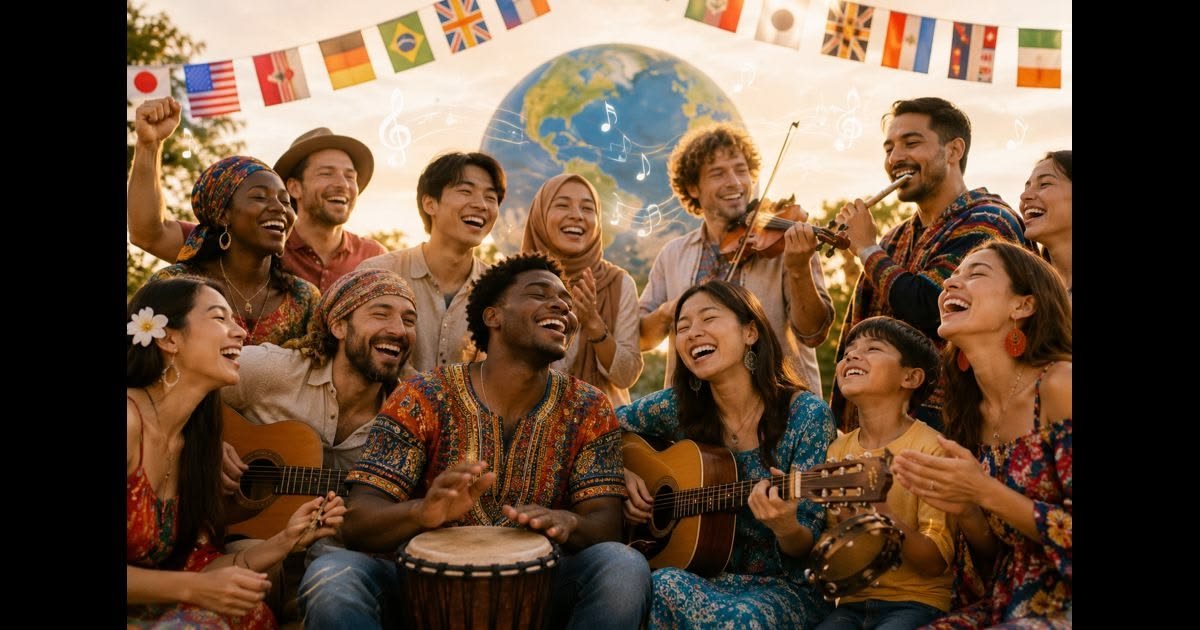
One of the most significant effects of pop culture is its ability to promote cultural exchange. Through music, films, food trends, and digital content, people gain exposure to cultures different from their own.
This exchange can foster greater understanding, appreciation, and acceptance among diverse communities. At the same time, it encourages creativity by blending cultural influences and generating new forms of expression that appeal to global audiences.
Challenges and Criticisms of Pop Culture
Despite its positive contributions, pop culture is not without criticism. Some argue that it can promote unrealistic standards of beauty, materialism, and unhealthy lifestyles. Others believe that excessive focus on trends and celebrity culture may distract people from more significant social and political issues.
Additionally, the rapid spread of content online can sometimes contribute to misinformation and the loss of cultural uniqueness. As a result, it is important for individuals to engage with pop culture critically and thoughtfully.
The Future of Pop Culture
As technology continues to advance, pop culture will likely become even more influential. Artificial intelligence, virtual reality, and immersive digital experiences are expected to reshape entertainment and communication in new ways.
Global connectivity will continue to facilitate the exchange of ideas and cultural expressions, making pop culture an increasingly important part of everyday life. Its ability to adapt and evolve ensures that it will remain a powerful force in shaping society for years to come.
Conclusion
The influence of pop culture on global society is undeniable. It shapes trends, drives conversations, influences consumer behavior, and connects people across geographical boundaries. While it presents certain challenges, pop culture also offers opportunities for cultural exchange, social awareness, and innovation. As the world becomes more interconnected, its impact on society will continue to grow, affecting how individuals and communities engage with the modern world.
Frequently Asked Questions (FAQs)
1. What is pop culture?
Pop culture refers to popular trends, entertainment, media, fashion, and ideas that are widely accepted and enjoyed by the general public.
2. How does pop culture influence society?
Pop culture influences social behavior, consumer choices, communication styles, fashion trends, and public discussions on important issues.
3. Why is pop culture important?
Pop culture helps connect people, encourages cultural exchange, and reflects the values and interests of modern society.
4. How has social media changed pop culture?
Social media has accelerated the spread of trends and allowed users to actively create, share, and influence popular content worldwide.
5. Can pop culture create social change?
Yes, pop culture can raise awareness about social issues, inspire discussions, and encourage individuals to take action on important causes.
6. What are the negative effects of pop culture?
Potential negative effects include unrealistic expectations, materialism, excessive celebrity influence, and the rapid spread of misinformation.
7. How does pop culture affect globalization?
Pop culture promotes the exchange of ideas, entertainment, and traditions across countries, contributing to greater global connectivity.
8. What is the future of pop culture?
The future of pop culture will likely be shaped by emerging technologies such as artificial intelligence, virtual reality, and advanced digital media platforms.