

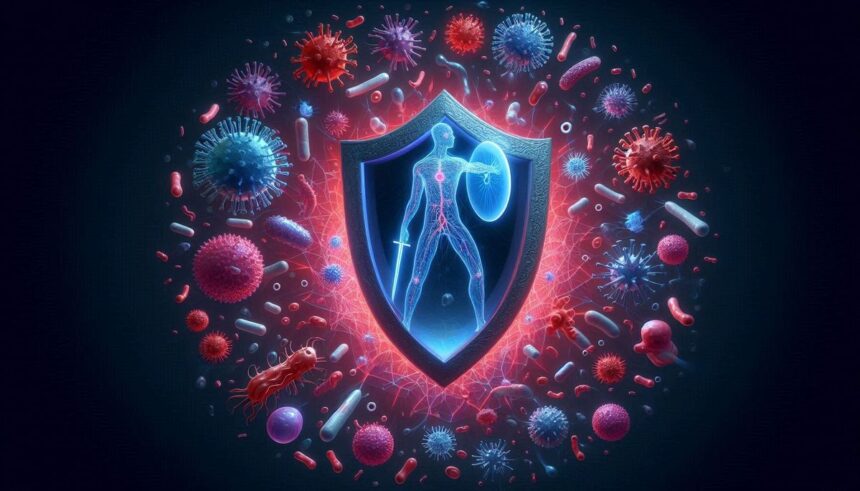
The human immune system is a complex protective network that works continuously to defend the body against infection, remove damaged cells and respond to potentially harmful substances.
It is not a single organ, and it does not operate like a simple on-and-off switch. It consists of specialized cells, tissues, organs, proteins and chemical signals that communicate throughout the body. Its success depends not only on attacking threats but also on controlling the strength and duration of its response. An immune response that is too weak may allow infection to spread, while an unnecessary or excessive response can damage healthy tissue.
What Does the Immune System Do?
The immune system’s primary role is to recognize and respond to danger. Potential threats include viruses, bacteria, fungi, parasites, toxins and abnormal or damaged cells.
The system must perform several difficult tasks:
- Prevent harmful organisms from entering the body
- Detect organisms that pass through physical barriers
- Distinguish healthy cells from infected or damaged cells
- Eliminate threats while limiting damage to normal tissue
- Remember certain previous infections
- Stop the response when the danger has passed
Immune cells identify danger by detecting characteristic molecules associated with microorganisms, infected cells or damaged tissue. These molecular signals help the body determine where a response is required.
The Body’s Physical and Chemical Defenses
The immune system begins working before a microorganism enters the body.
Skin
Intact skin forms a strong physical barrier between the body and the outside environment. Skin cells also produce substances that can restrict the growth of certain microorganisms.
A cut, burn or other injury may create an opening through which germs can enter. This is one reason cleaning and protecting wounds is important.
Mucous Membranes
Mucous membranes line areas including the nose, mouth, airways and digestive tract. They produce mucus that can trap particles and microorganisms before these materials reach deeper tissues.
Tiny hair-like structures called cilia help move mucus and trapped material out of parts of the respiratory system.
Tears, Saliva and Stomach Acid
Tears and saliva contain substances that help control microorganisms. Stomach acid destroys many organisms that enter through food or drink.
These barriers are part of innate immunity—the defenses that are already present and ready to respond.
Innate Immunity: The Immediate Response
Innate immunity is the body’s rapid, general defense system. It can respond within minutes or hours and does not need to have encountered a particular microorganism previously.
Its responses are described as nonspecific because they recognize broad patterns associated with danger rather than one unique strain of a virus or bacterium.
Important components of innate immunity include:
Neutrophils
Neutrophils are white blood cells that often arrive quickly at sites of infection. They can surround, ingest and destroy microorganisms.
Macrophages
Macrophages are large immune cells found in many tissues. They can engulf microorganisms, damaged cells and cellular debris through a process called phagocytosis.
Macrophages also release chemical signals and help activate other parts of the immune response.
Dendritic Cells
Dendritic cells collect material from microorganisms and present pieces of that material to T cells. This makes them an important connection between innate and adaptive immunity.
Natural Killer Cells
Natural killer cells can identify and destroy some infected or abnormal cells. Their response does not require the same highly specific recognition process used by most adaptive immune cells.
The Complement System
Complement is a group of proteins circulating in the blood. When activated, these proteins can help mark microorganisms for destruction, attract immune cells and damage the outer membranes of certain microbes.
Inflammation
Inflammation is one of the immune system’s major protective responses. It may begin when tissue is injured or when immune cells detect infection.
Chemical signals cause blood vessels near the affected area to change. More fluid and immune cells can then enter the tissue. This may produce familiar signs such as redness, warmth, swelling, tenderness or pain.
Inflammation helps isolate a threat, recruit immune cells and begin tissue repair. However, inflammation can become harmful when it is excessive, occurs without a genuine threat or continues after it is no longer needed. Persistent inflammation may contribute to tissue damage.
Adaptive Immunity: A Targeted Defense
Adaptive immunity develops a highly specific response to a particular antigen. An antigen is a molecule that the immune system can recognize, often from a microorganism or another foreign substance.
This branch of immunity usually takes longer to become fully active during a first encounter. Once activated, however, it can produce specialized cells and antibodies directed at the particular threat.
The main adaptive immune cells are B cells and T cells.
B Cells and Antibodies
B cells are white blood cells that recognize specific antigens. When properly activated, some B cells develop into plasma cells, which produce antibodies.
An antibody is a protein with a shape that allows it to bind to a particular antigen. Antibodies may:
- Block a microorganism from entering cells
- Bind to toxins and reduce their effects
- Mark microorganisms for destruction
- Activate other immune mechanisms
Antibodies do not act as independent living cells. They are proteins produced as part of a coordinated immune response.
Helper T Cells
Helper T cells coordinate immune activity. They release signals that help activate B cells, other T cells and components of innate immunity.
Because of their coordinating role, damage to helper T-cell populations can significantly weaken immune defenses.
Cytotoxic T Cells
Cytotoxic T cells can recognize and destroy certain infected or abnormal cells. Instead of attacking a virus floating outside a cell, these T cells target body cells displaying evidence that they have become infected.
Regulatory T Cells
Regulatory T cells help restrain immune responses. They are important for preventing unnecessary damage and helping the immune system tolerate the body’s own healthy tissues.
Adaptive immunity therefore involves both attack and regulation.
Immunological Memory
After some infections, part of the adaptive immune response remains in the form of memory B cells, memory T cells or long-lived antibody-producing cells.
When the same antigen appears again, these cells may respond more rapidly and effectively than they did during the first exposure. This is known as immunological memory.
The strength and duration of memory vary considerably. Some infections or vaccinations produce long-lasting protection, while others require repeated exposure or additional vaccine doses to maintain useful protection.
How Vaccines Use Immune Memory
Vaccines present the immune system with an antigen, instructions for producing an antigen, or another controlled representation of a disease-causing organism. This allows the immune system to practise recognizing the threat without experiencing the full risks of the disease itself.
The immune response may create antibodies, activated T cells and memory cells. If the vaccinated person later encounters the actual microorganism, the immune system can respond more quickly.
Different vaccines use different technologies. Depending on the vaccine, the active component may be:
- A weakened form of a microorganism
- An inactivated microorganism
- A selected protein or sugar from the microorganism
- A harmless carrier containing genetic instructions
- Messenger RNA containing instructions for making an antigen
Vaccination does not mean that infection is impossible in every case. Its purpose may be to prevent infection, reduce the likelihood of serious illness or lower the risk of complications and transmission.
Active and Passive Immunity
Immunity can also be classified according to how protection is obtained.
Active immunity develops when a person’s own immune system responds to an infection or vaccination. This process can create immunological memory.
Passive immunity occurs when a person receives antibodies made elsewhere. Antibodies can pass from a mother to a baby, for example, and antibody-containing medical products may be used in certain clinical situations.
Passive immunity can provide rapid protection, but it is usually temporary because the recipient’s immune system did not produce the antibodies or necessarily create memory cells itself.
Where Immune Cells Are Made and Stored
The immune system is distributed throughout the body.
Bone Marrow
Bone marrow produces blood-forming stem cells that develop into red blood cells, platelets and the various types of white blood cells.
B cells mature in the bone marrow. Other immune-cell precursors also begin their development there.
Thymus
The thymus is located in the upper chest. It is especially important early in life because developing T cells undergo selection and maturation there.
Lymph Nodes
Lymph nodes are small structures located along lymphatic vessels. They filter lymphatic fluid and provide meeting places where immune cells can encounter antigens and communicate with one another.
Lymph nodes may become enlarged during an infection because immune cells and fluid are accumulating in the area.
Spleen
The spleen helps filter the blood, remove damaged blood cells and support immune responses to materials circulating in the bloodstream.
Tonsils and Mucosal Tissues
Immune tissues around the throat, intestines and other mucosal surfaces help monitor materials entering through the respiratory and digestive systems.
What Can Go Wrong With the Immune System?
Immune-system disorders can result from too little activity, too much activity or activity directed at the wrong target.
Immunodeficiency
An immunodeficiency occurs when part of the immune system is absent or does not function adequately.
Primary immunodeficiencies are generally associated with inherited or genetic abnormalities. Secondary immunodeficiencies may develop because of infections, malnutrition, certain cancers, medical treatments or medicines that suppress immune activity.
Possible warning patterns include unusually frequent, persistent, severe or difficult-to-treat infections. However, frequent minor illnesses do not automatically mean that a person has an immune deficiency. A medical evaluation is needed to determine the cause.
Autoimmune Disease
Autoimmune disease develops when the immune system mistakenly targets the body’s own healthy cells or tissues.
Different autoimmune conditions affect different organs. Examples include type 1 diabetes, rheumatoid arthritis, multiple sclerosis and lupus. The causes are complex and may involve genetic susceptibility combined with environmental or biological triggers.
Autoimmune disease does not simply mean that the immune system is “too strong.” It means that immune recognition or regulation is functioning incorrectly.
Allergies
An allergy is an immune response to a substance that is usually harmless to most people. Common allergens include pollen, certain foods, medicines, dust mites and insect venom.
Allergic reactions can cause sneezing, itching, rashes, swelling, breathing problems or digestive symptoms. A severe systemic allergic reaction, known as anaphylaxis, is a medical emergency.
Cancer and the Immune System
The immune system can recognize and destroy some abnormal cells. Cancer cells, however, may develop methods of avoiding immune detection or suppressing nearby immune responses.
Some modern cancer treatments, called immunotherapies, attempt to improve the immune system’s ability to identify or attack cancer cells. These treatments are highly specialized and do not work in the same way for every cancer or patient.
The Immune System Changes With Age
Immune function changes throughout life.
Newborns have developing immune systems and receive some temporary antibody protection from their mothers. During childhood, exposure to microorganisms and vaccination helps build adaptive immune memory.
In later life, some immune responses become less efficient. Older adults may be more vulnerable to certain infections and may produce weaker responses to some vaccines. Age-related changes also influence inflammation and the regulation of immune activity.
Can You “Boost” the Immune System?
The phrase “boost your immune system” is often used in advertising, but it can be misleading.
A healthy immune system needs balance and regulation—not maximum activity. Excessive or misdirected immune activity contributes to allergies, autoimmune disorders and inflammatory damage.
The immune system also has no single score that can be easily measured and raised. Researchers evaluate many different cells, antibodies, signaling molecules and clinical outcomes when studying immune function.
Vitamins and minerals are necessary for normal immune function, and deficiencies can impair health. However, consuming more than the body needs does not necessarily produce stronger immunity. Evidence supporting many supplements marketed as “immune boosters” is limited, and supplements can produce side effects or interact with medicines.
Practical Ways to Support Normal Immune Function
There is no single food, drink or routine that prevents every infection. The most reliable approach is to support overall health and reduce exposure to preventable disease.
Eat a Varied Diet
A balanced diet provides the protein, vitamins, minerals and energy needed for normal cell production and tissue maintenance. A varied eating pattern should include appropriate amounts of fruits, vegetables, whole grains, legumes, protein-rich foods and healthy fats.
People with diagnosed nutritional deficiencies or absorption problems may require supplements under professional guidance.
Get Adequate Sleep
Sleep and immune function influence one another. Sleep loss can alter several components of immune activity, while infection and inflammation can also affect sleep.
Most healthy adults need at least seven hours of sleep, although requirements vary by age and individual circumstances. Children and teenagers generally need more.
Be Physically Active
Regular physical activity supports cardiovascular, metabolic, muscular and mental health. These systems all contribute to the body’s ability to respond to illness and recover from physical stress.
Extreme training without sufficient rest and nutrition is not the same as health-supporting regular activity.
Keep Vaccinations Current
Recommended vaccinations provide targeted protection against specific infectious diseases. The appropriate schedule depends on age, medical history, pregnancy, occupation, travel and local public-health guidance.
People with immune deficiencies or those taking immune-suppressing medicines may need an individualized vaccination plan.
Avoid Tobacco Exposure
Smoking damages respiratory tissues and interferes with several protective mechanisms in the lungs. Avoiding smoking and secondhand smoke helps preserve the physical barriers that prevent respiratory infection.
Manage Long-Term Health Conditions
Conditions such as diabetes can increase vulnerability to some infections. Following an appropriate treatment plan and attending recommended medical appointments can reduce preventable complications.
Use Antibiotics Correctly
Antibiotics treat certain bacterial infections. They do not treat viruses such as those responsible for colds and influenza.
Unnecessary antibiotic use can cause side effects and contribute to antimicrobial resistance. Antibiotics should be taken only when prescribed and exactly as directed; they should not be shared or saved for a later illness.
Common Immune-System Myths
“Getting Sick Means Your Immune System Is Weak”
Healthy people still become infected. Whether illness develops depends on the microorganism, the amount of exposure, previous immunity, age, vaccination status and many other factors.
“Antibodies Are the Entire Immune System”
Antibodies are important, but they are only one part of adaptive immunity. T cells, innate immune cells, physical barriers, complement proteins and signaling molecules also contribute.
“Stronger Inflammation Is Always Better”
Inflammation can protect the body, but excessive or prolonged inflammation can injure tissue. The ability to turn an immune response off is as important as the ability to begin it.
“Natural Infection Is Always Better Than Vaccination”
Both infection and vaccination may produce immune memory, but natural infection involves the risks of the disease and its complications. Vaccination is designed to develop protection with substantially less danger than experiencing the full illness.
When Medical Evaluation May Be Needed
A person should seek medical guidance when experiencing symptoms such as persistent fever, breathing difficulty, unexplained swelling, a severe allergic reaction, repeated serious infections, wounds that are not healing or symptoms that continue to worsen.
Sudden breathing difficulty, swelling of the tongue or throat, fainting or other signs of a severe allergic reaction require emergency care.
People who have a diagnosed immune disorder, take immune-suppressing medicine or are receiving chemotherapy should follow the infection-prevention and vaccination plan provided by their healthcare team.
The Bottom Line
The immune system is not a single organ or a simple defensive army. It is a carefully regulated network that blocks threats, recognizes danger, coordinates inflammation, destroys infected cells, produces antibodies and remembers selected previous encounters.
Its effectiveness depends on balance. Too little immune activity may permit serious infection, while excessive or misdirected activity may cause allergies, autoimmune disease or tissue damage.
Healthy food, adequate sleep, appropriate physical activity, recommended vaccination, correct medicine use and timely medical care can support normal immune function. No supplement or lifestyle trick can make a person completely resistant to disease.
This article provides general educational information. It is not a diagnosis or a substitute for care from a qualified healthcare professional.