
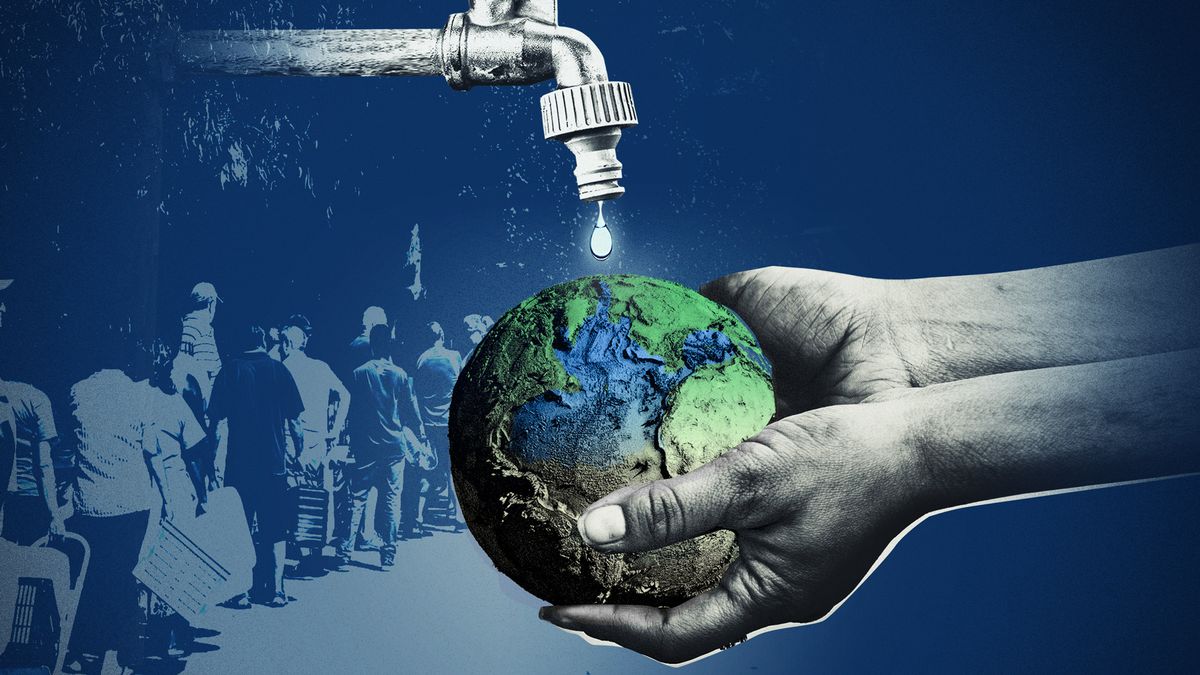
Water is one of the most essential resources for life on Earth. Every human being, animal, plant, and ecosystem depends on clean and accessible water for survival. Despite covering nearly 71% of the planet, only a very small percentage of Earth’s water is suitable for human consumption. As populations continue to grow and climate conditions become more severe, the world is facing a dangerous and rapidly increasing challenge: water scarcity.
Water scarcity is no longer a problem limited to dry deserts or underdeveloped nations. It has become a global issue affecting countries across every continent. From shrinking rivers and disappearing lakes to droughts and groundwater depletion, the warning signs are becoming impossible to ignore. Experts increasingly believe that water scarcity may become one of the defining crises of the 21st century.
This article explores the causes, impacts, and possible solutions to water scarcity while explaining why immediate action is necessary to prevent a future global disaster.
Understanding Water Scarcity
Water scarcity occurs when the demand for water exceeds the available supply or when poor water quality restricts its use. It can affect drinking water, agriculture, sanitation, industry, and energy production.
There are two main types of water scarcity:
Physical Water Scarcity
This happens when natural water resources are insufficient to meet demand. Regions with low rainfall, prolonged droughts, or overused rivers often experience physical scarcity.
Economic Water Scarcity
In some regions, water may exist in sufficient quantities, but poor infrastructure, poverty, or political instability prevent people from accessing clean water.
Both forms of scarcity create serious challenges for communities and governments around the world.
The Growing Global Water Crisis
The world’s population has increased dramatically over the last century. More people require more water for drinking, farming, manufacturing, and daily living. Rapid urbanization and industrialization have placed enormous pressure on freshwater sources.
At the same time, climate change is disrupting rainfall patterns and increasing temperatures. Many regions now experience longer droughts, reduced snowpack, and declining groundwater levels.
According to international estimates, billions of people already face water shortages for at least part of the year. If current trends continue, future generations may inherit a world where access to clean water becomes one of humanity’s greatest struggles.
Major Causes of Water Scarcity
Climate Change
Climate change is one of the most significant drivers of water scarcity. Rising global temperatures affect the natural water cycle by increasing evaporation and altering rainfall patterns.
Some regions experience severe droughts, while others face destructive floods. Melting glaciers, which provide freshwater to millions of people, are shrinking rapidly due to global warming.
As weather patterns become more unpredictable, managing water resources becomes increasingly difficult.
Population Growth
The global population continues to rise at a rapid pace. More people mean greater demand for freshwater resources.
Large cities consume enormous amounts of water for households, transportation systems, sanitation, and industrial activities. In many regions, water infrastructure struggles to keep up with population growth.
Countries with limited freshwater supplies are especially vulnerable to shortages caused by rising populations.
Agricultural Overuse
Agriculture consumes the majority of the world’s freshwater resources. Farmers require water to grow crops and raise livestock.
In many areas, inefficient irrigation systems waste massive amounts of water. Crops that require large quantities of water are often grown in regions already facing drought conditions.
Excessive groundwater extraction for farming has caused underground water reserves to decline at alarming rates.
Pollution
Water pollution makes freshwater unsafe for human use. Industrial waste, chemicals, sewage, and plastic pollution contaminate rivers, lakes, and groundwater supplies.
In some developing regions, untreated wastewater is discharged directly into water bodies, spreading disease and damaging ecosystems.
Pollution not only reduces the amount of usable water but also increases the cost of water treatment and purification.
Poor Water Management
Many countries suffer from outdated infrastructure, leaking pipelines, and ineffective water policies.
Corruption, lack of investment, and weak governance often contribute to water shortages even in areas with adequate natural resources.
Poor planning and unequal distribution can leave millions without reliable access to clean water.
Effects of Water Scarcity
Threats to Human Health
Access to clean water is essential for hygiene, sanitation, and disease prevention. Water scarcity increases the spread of illnesses such as cholera, dysentery, and typhoid fever.
In regions without safe drinking water, people are forced to use contaminated sources, putting entire communities at risk.
Children are especially vulnerable to waterborne diseases and malnutrition caused by poor sanitation.
Food Insecurity
Agriculture depends heavily on water. Droughts and shrinking water supplies reduce crop yields and livestock production.
As food production declines, prices increase, making it harder for families to afford basic necessities.
Water scarcity threatens global food security and may lead to hunger in vulnerable regions.
Economic Damage
Industries such as manufacturing, energy production, mining, and tourism rely on large amounts of water.
Water shortages can disrupt businesses, reduce productivity, and increase operational costs. Countries facing severe water stress may experience slower economic growth and rising unemployment.
The financial burden of water scarcity affects both developed and developing nations.
Environmental Destruction
Rivers, wetlands, forests, and aquatic ecosystems depend on healthy water systems.
When lakes dry up and rivers shrink, wildlife habitats are destroyed. Fish populations decline, biodiversity decreases, and ecosystems become unstable.
Environmental damage caused by water shortages can have long-term consequences for the planet.
Political Tension and Conflict
Water scarcity has the potential to increase political instability and international conflict.
Countries and communities that share rivers or groundwater resources may compete for access during periods of drought.
Experts warn that future conflicts may increasingly revolve around water rather than oil or territory.
Regions Most Affected by Water Scarcity
The Middle East and North Africa
This region is among the driest in the world. Limited rainfall and high temperatures create severe water stress.
Rapid population growth and political instability further complicate water management efforts.
Sub-Saharan Africa
Millions of people in Sub-Saharan Africa lack reliable access to clean drinking water.
Droughts, poor infrastructure, and poverty contribute to widespread water insecurity across many countries.
South Asia
Countries such as India and Pakistan face increasing pressure on water resources due to population growth, agricultural demands, and climate change.
Groundwater depletion and river pollution are major concerns throughout the region.
Parts of the United States and Europe
Even developed nations are experiencing water challenges. Prolonged droughts in states like California have highlighted the vulnerability of water systems.
Several European countries have also faced record-breaking heatwaves and water shortages in recent years.
The Role of Technology in Solving Water Scarcity
Technology can play an important role in addressing global water shortages.
Desalination
Desalination removes salt from seawater, making it safe for human use. Although expensive, this technology is increasingly used in water-scarce regions.
Countries in the Middle East rely heavily on desalination to meet water demands.
Water Recycling
Recycling wastewater for agriculture, industrial use, and even drinking water can significantly reduce pressure on freshwater supplies.
Advanced treatment technologies make water reuse safer and more efficient.
Smart Irrigation Systems
Modern irrigation technologies help farmers use water more efficiently.
Drip irrigation systems deliver water directly to plant roots, reducing waste and improving crop productivity.
Leak Detection Systems
Many cities lose large amounts of water through leaking pipes.
Smart monitoring systems can detect leaks early and reduce unnecessary water loss.
Individual Responsibility in Water Conservation
Governments and industries play major roles in solving water scarcity, but individuals also have responsibilities.
Simple daily actions can help conserve water:
- Turning off taps when not in use
- Fixing household leaks
- Using water-efficient appliances
- Reducing unnecessary water waste
- Supporting environmental conservation efforts
Public awareness and education are essential for building long-term sustainable habits.
The Importance of Global Cooperation
Water scarcity is a global issue that requires international cooperation.
Countries must work together to manage shared rivers, protect ecosystems, and develop sustainable water policies.
Investment in infrastructure, research, and climate adaptation strategies is necessary to secure future water supplies.
International organizations, governments, scientists, and communities all have important roles to play in addressing the crisis.
The Future of Water Security
If immediate action is not taken, water scarcity may worsen dramatically in the coming decades.
Climate change, urban growth, and rising consumption will continue to increase pressure on freshwater resources. Without sustainable management, billions of people could face severe shortages.
However, the future is not hopeless. Through innovation, conservation, policy reform, and public awareness, societies can reduce the risks associated with water scarcity.
Protecting water resources today is essential for ensuring peace, health, and economic stability tomorrow.
Conclusion
Water scarcity is one of the greatest challenges facing humanity in the modern era. It threatens health, food security, economies, ecosystems, and global stability.
The crisis is driven by multiple interconnected factors, including climate change, population growth, pollution, and poor resource management. As freshwater supplies become increasingly strained, the consequences will affect every nation regardless of wealth or geography.
Addressing water scarcity requires collective action at local, national, and international levels. Governments must invest in sustainable infrastructure, industries must adopt efficient practices, and individuals must recognize the value of conserving water.
Water is not an unlimited resource. It is the foundation of life itself. The decisions made today will determine whether future generations inherit a world of cooperation and sustainability or one defined by shortages and conflict.
Frequently Asked Questions (FAQs)
What is water scarcity?
Water scarcity refers to a situation where there is not enough clean and accessible water to meet human, agricultural, industrial, and environmental needs.
What are the main causes of water scarcity?
The major causes include climate change, population growth, pollution, excessive agricultural use, and poor water management systems.
Which countries are most affected by water scarcity?
Countries in the Middle East, North Africa, Sub-Saharan Africa, and parts of South Asia are among the most affected regions.
How does climate change affect water supplies?
Climate change increases droughts, alters rainfall patterns, melts glaciers, and raises temperatures, all of which reduce reliable freshwater availability.
Why is agriculture linked to water scarcity?
Agriculture uses a large percentage of global freshwater supplies. Inefficient irrigation and water-intensive farming practices contribute significantly to shortages.
Can technology solve the water crisis?
Technology can help through desalination, wastewater recycling, smart irrigation, and leak detection systems, but long-term solutions also require policy changes and conservation efforts.
How can individuals help conserve water?
People can save water by reducing waste, fixing leaks, using efficient appliances, and adopting mindful consumption habits.
Why is clean water important for health?
Clean water is necessary for drinking, cooking, sanitation, and preventing diseases caused by contaminated water sources.
Could water scarcity lead to conflict?
Yes. Competition over limited water resources may increase tensions between communities and nations, especially in drought-prone regions.
What is the long-term solution to water scarcity?
Sustainable water management, climate action, infrastructure investment, technological innovation, and global cooperation are essential for long-term water security.